
Retroid Pocket Duo vs Pocket Duo Lite: Is $269 OLED Worth It?

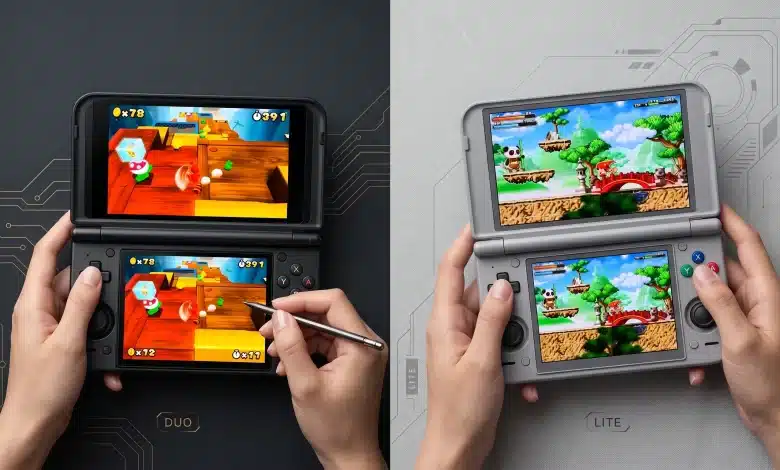
Choosing between the Retroid Pocket Duo vs Pocket Duo Lite has become the biggest dilemma in retro gaming following Retroid’s official September launch. For years, handheld enthusiasts struggled with awkward single-screen compromises when playing dual-screen Nintendo DS and 3DS classics. Now, Retroid has introduced two dedicated clamshell models separated by a significant $120 price gap. However, before rushing to pre-order, buyers need to know whether the premium $269 to $613 OLED edition offers genuine hardware value or if the $149 Lite model is sufficient for retro emulation.
Retroid Pocket Duo vs Pocket Duo Lite: Display Quality and OLED Tech
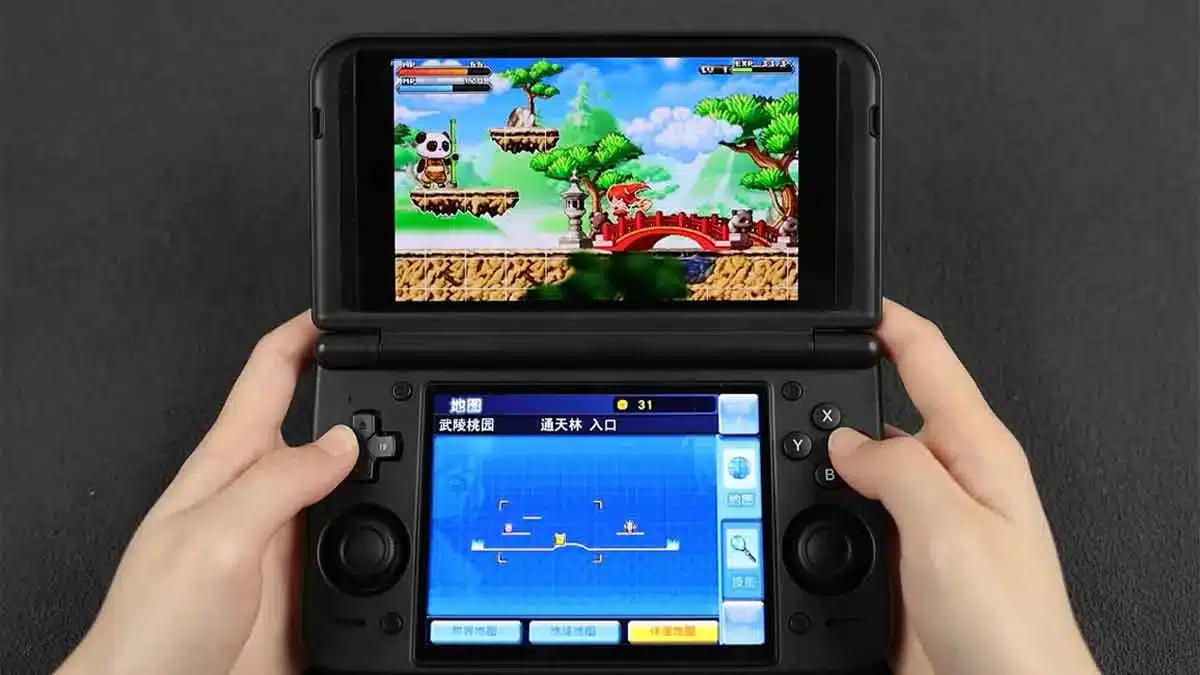
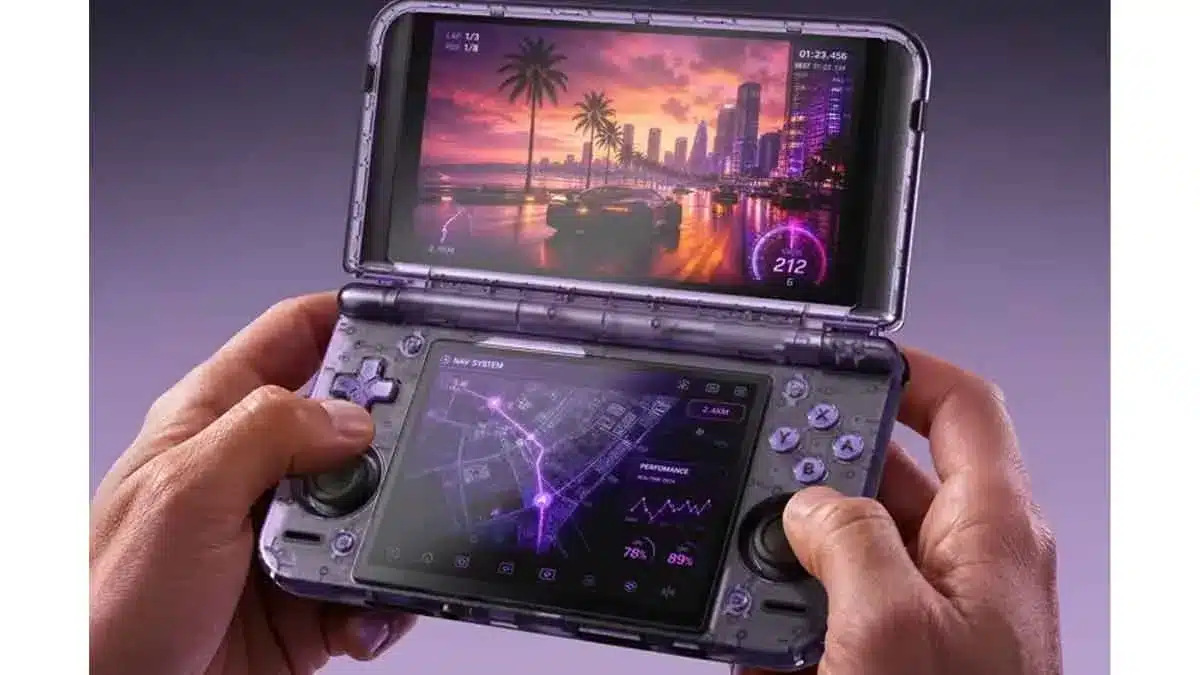
Screen technology represents the most dramatic visual distinction between these two clamshell systems. Specifically, the premium Pocket Duo is equipped with stunning dual 120Hz OLED panels:
- Pocket Duo (OLED Flagship): Houses a 5.5-inch 16:9 top OLED display (1080p) paired with a 4.5-inch 4:3 bottom OLED touchscreen (1280×960). Both screens deliver true infinite contrast, deep blacks, and buttery-smooth 120Hz motion.
- Pocket Duo Lite (Budget Edition): Uses dual 60Hz IPS LCD displays. The top panel measures 5.5 inches (1080p), while the bottom display is slightly smaller at 4.2 inches (960×720).
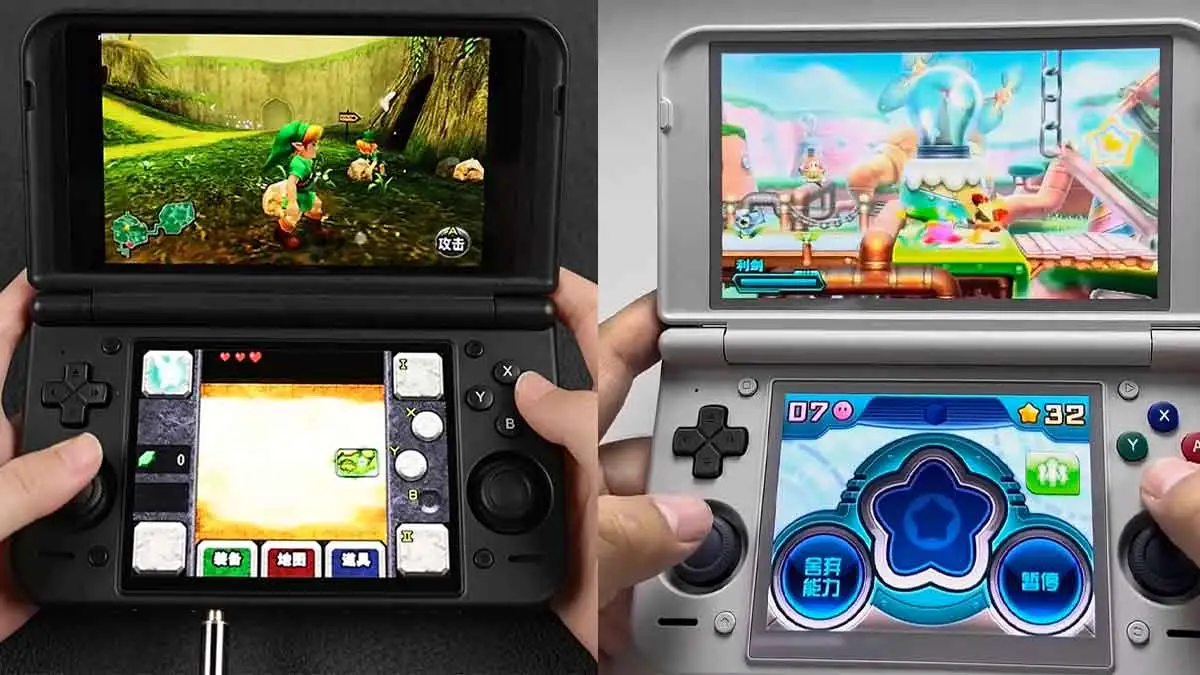
Furthermore, side-by-side display tests reveal that the OLED panels on the standard Duo make classic DS pixel art pop with vibrant saturation. In contrast, while the Lite model’s IPS screens offer respectable viewing angles, they exhibit noticeable backlight bleed in dark gaming environments.
Shipping Schedule
Grab the Retroid Pocket Duo & Duo Lite
Pocket Duo Lite is shipping now, while the OLED Pocket Duo ships in mid-October. Save extra using our AliExpress Promo Codes.
Retroid Pocket Duo vs Pocket Duo Lite: Performance and Chipset Benchmarks
Processing power is another area where Retroid created a sharp divide between the two systems. Under the hood, each dual screen handheld targets completely different emulation tiers:
- Pocket Duo Silicon: Powered by the Qualcomm Dragonwing Q-7790 chipset (Snapdragon 7 Gen 4 class) with Adreno 722 graphics, 8GB of fast LPDDR5X RAM, and Android 16.
- Pocket Duo Lite Silicon: Relies on the entry-level Qualcomm QCS6125 processor with Adreno 610 graphics, 4GB or 6GB of LPDDR4X RAM, and Android 15.
Consequently, benchmark tests demonstrate that the standard Duo delivers more than double the raw computing throughput of the Lite model. The Q-7790 chip easily handles intense computational workloads without thermal throttling, giving the standard model superior future-proofing.
Nintendo DS and 3DS Emulation Testing on Both Handhelds
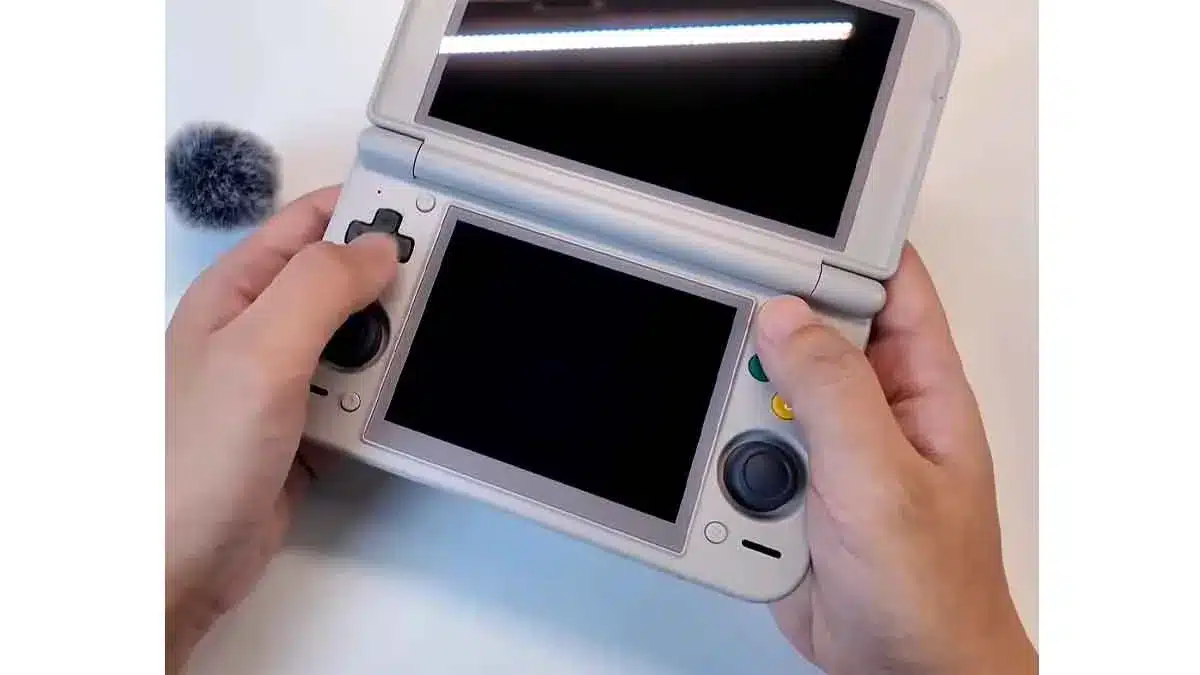
Dual-screen gaming represents the primary reason gamers are buying these systems. During real-world testing with standalone emulators like MelonDS and Azahar, native Nintendo DS games ran at full speed on both models.
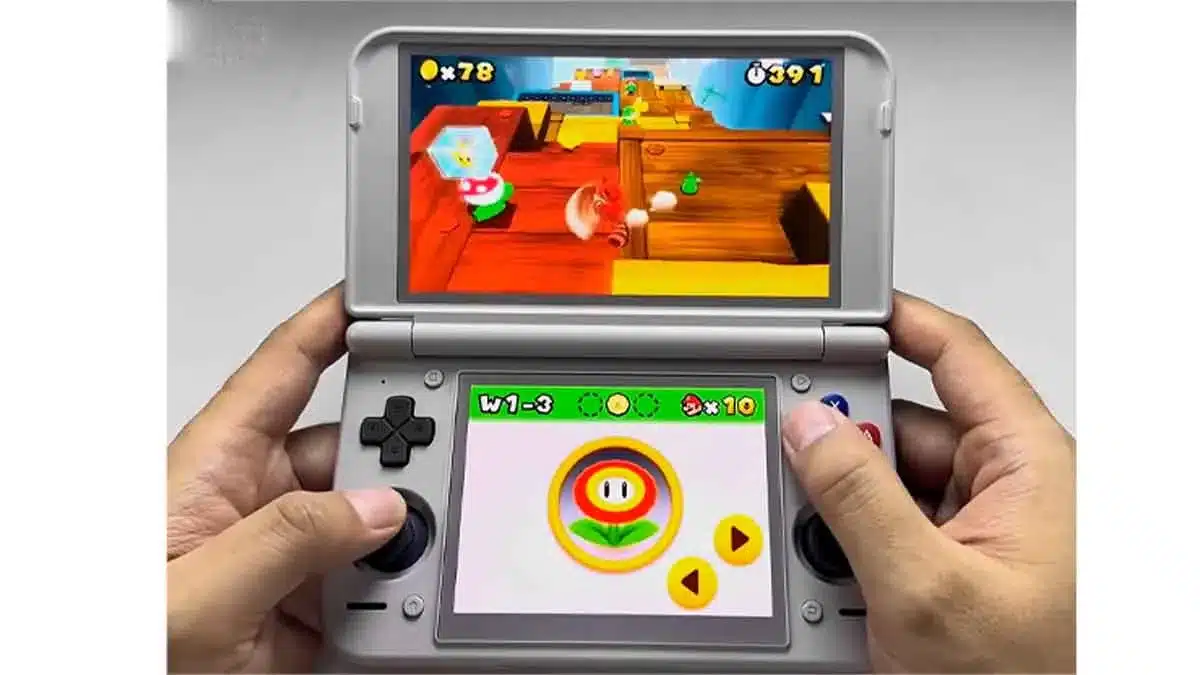
However, 3DS emulation separates the two devices dramatically. The Pocket Duo Lite handles lightweight titles like Pokemon X/Y and Mario Kart 7 at native 1x resolution, but struggles with demanding titles like Monster Hunter 4 Ultimate. In contrast, the premium Duo effortlessly upscales 3DS games to 3x and 4x HD resolutions with custom high-definition texture packs enabled. In addition, the standard model comfortably tackles PlayStation 2 and GameCube catalogs that the Lite cannot run.
Hardware Ergonomics, Controls, and Battery Life Comparison
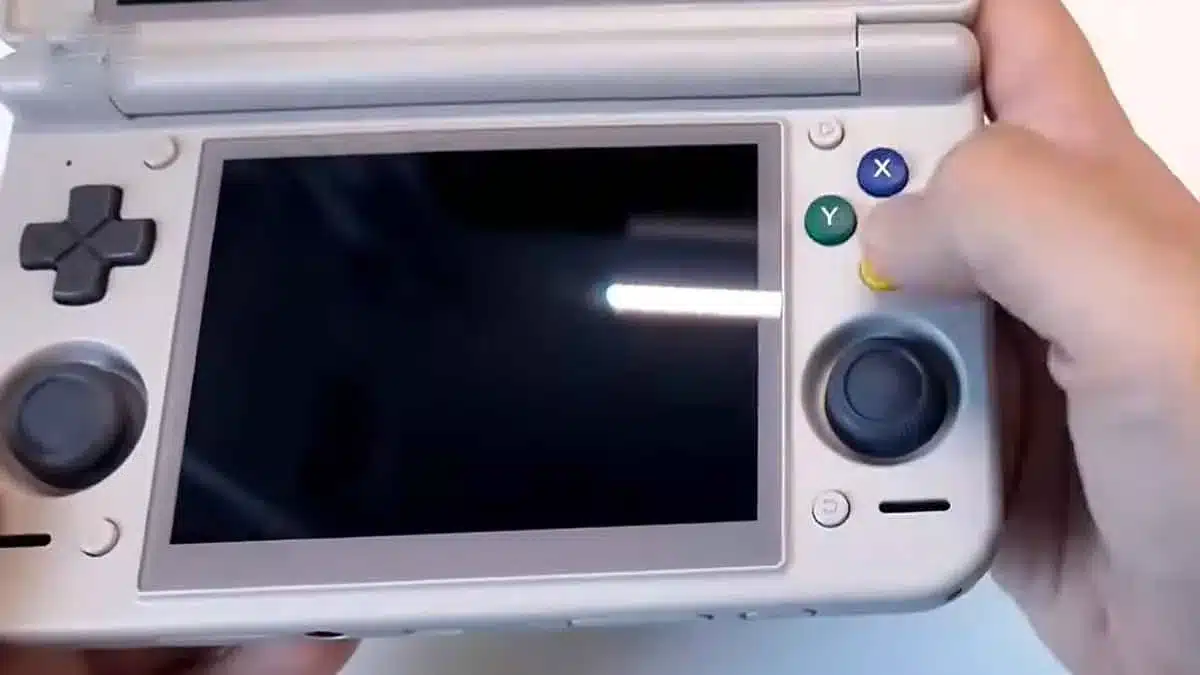
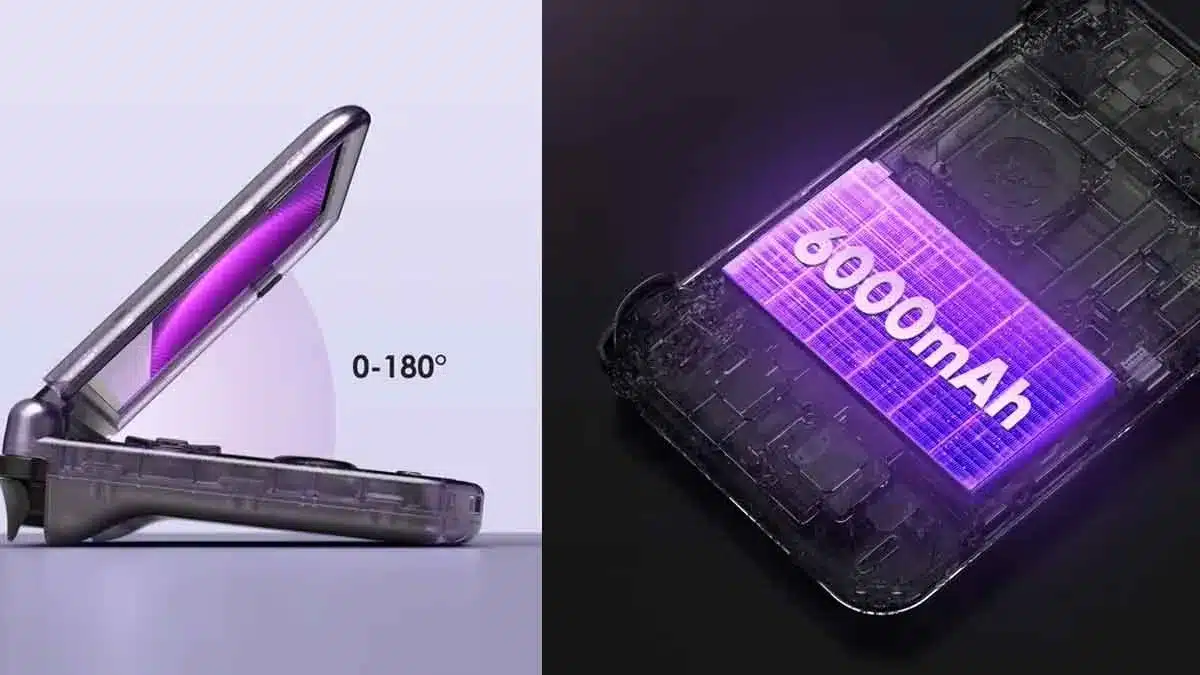
Ergonomically, both devices feature reinforced dual-axis friction hinges that lock securely at 120 and 180 degrees. Both models also include drift-free Hall Effect analog thumbsticks, microswitch action buttons, and integrated rumble motors.
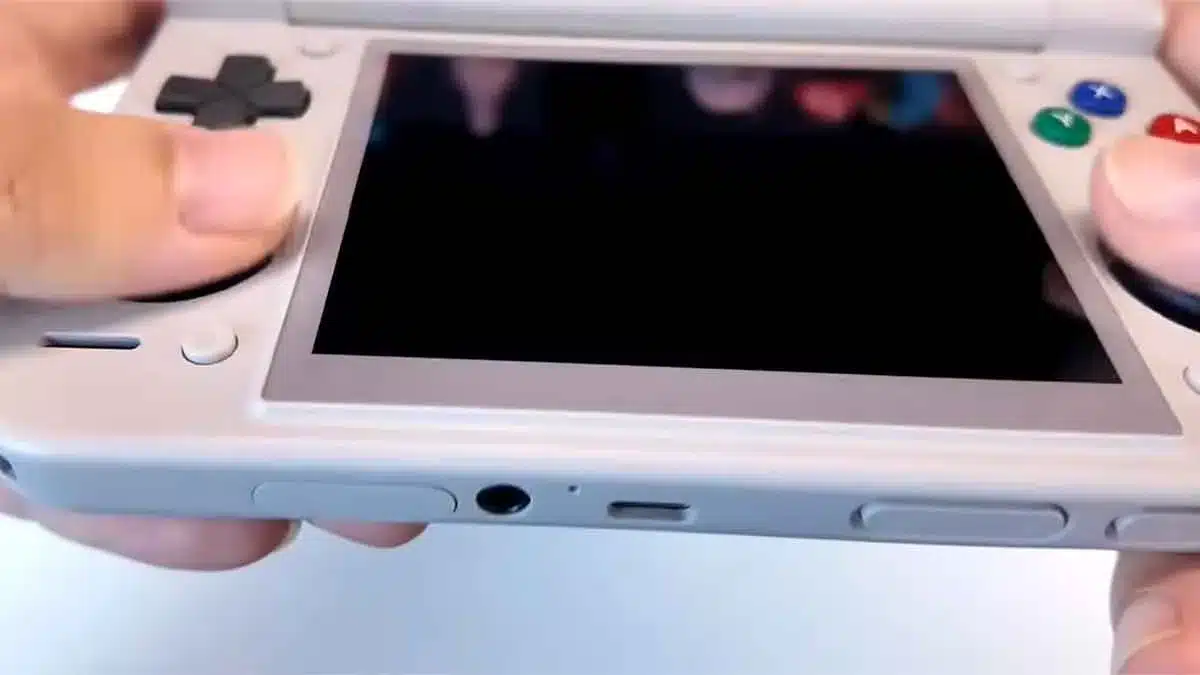
Nevertheless, physical trigger design differs considerably. The standard Duo features comfortable stacked analog triggers (L2/R2) ideal for racing and third-person shooters. Conversely, the Lite utilizes inline digital shoulder buttons to maintain a slimmer profile. Regarding endurance, the standard Duo houses a 6,000mAh battery providing around 6 to 8 hours of mixed play, while the Lite packs a 5,000mAh pack.
Pocket Duo Price, Duo Lite Tiers
Navigating the official Retroid Pocket Duo price structure reveals an aggressive launch promotion. Retroid opened pre-orders on September 11, 2026, offering active launch coupons for early buyers:
| Device Model | Specs & Screen | Official Retail Price | Current Market Availability |
|---|---|---|---|
| Retroid Pocket Duo (OLED) | Dual 120Hz OLED, 8GB RAM, Q-7790 | $269.00 | $269.00 (AliExpress / Amazon) |
| Pocket Duo Lite (6GB Tier) | Dual 60Hz LCD, 6GB RAM, QCS6125 | $169.00 | $169.00 (AliExpress / Amazon) |
| Pocket Duo Lite (Base Tier) | Dual 60Hz LCD, 4GB RAM, QCS6125 | $149.00 | $149.00 (AliExpress / Amazon) |
Regarding shipping schedules, the Lite model ships first starting on September 17, 2026. Meanwhile, the flagship OLED Duo is scheduled to begin international shipping in mid-October 2026.
Retroid Pocket Duo vs Pocket Duo Lite Specifications Matrix
To help you evaluate both systems at a glance, here is the complete hardware specification breakdown side by side:
| Feature / Spec | Retroid Pocket Duo (OLED) | Pocket Duo Lite (LCD) |
|---|---|---|
| Top Screen | 5.5-inch 1080p OLED (120Hz) | 5.5-inch 1080p IPS LCD (60Hz) |
| Bottom Screen | 4.5-inch 1280×960 OLED (120Hz) | 4.2-inch 960×720 IPS LCD (60Hz) |
| Processor | Qualcomm Dragonwing Q-7790 | Qualcomm Dragonwing QCS6125 |
| Memory Options | 8GB LPDDR5X RAM | 4GB / 6GB LPDDR4X RAM |
| Internal Storage | 128GB UFS 3.1 | 64GB / 128GB eMMC |
| Battery Capacity | 6,000mAh | 5,000mAh |
| Operating System | Android 16 | Android 15 |
| Weight | 345 grams | 310 grams |
Shipping Schedule
Grab the Retroid Pocket Duo & Duo Lite
Pocket Duo Lite is shipping now, while the OLED Pocket Duo ships in mid-October. Save extra using our AliExpress Promo Codes.
Should You Spend the Extra $120 for the OLED Duo?
If you primarily want an affordable, dedicated machine to replay original Nintendo DS games and casual retro titles on a budget, the $149 Duo Lite model delivers incredible value that completely outclasses older single-screen handhelds. When comparing the Retroid Pocket Duo vs Pocket Duo Lite, the winner depends entirely on your emulation ambitions and budget.
However, if you want the definitive dual-screen emulation console capable of upscaling 3DS games to crisp 4x resolutions, running PS2 titles, and displaying rich HDR colors on dual 120Hz OLED panels, the $269 Pocket Duo is unequivocally worth the extra investment.
Also Read: RX 9070 GRE Review: Is It Actually Worth Buying?
Edifier Hecate G5 Max Review: 305-Hour Beast Has One Big Catch
ASUS Pro WS WRX90E-SAGE SE: The Costly AI Build Mistake
Xiaomi 18 Pro Geekbench Leak: 2nm Snapdragon 8 Elite Gen 6 Pro
OPPO Find X10 Series Gets Hasselblad Teleconverter Kit: Concert Camera Revealed


