


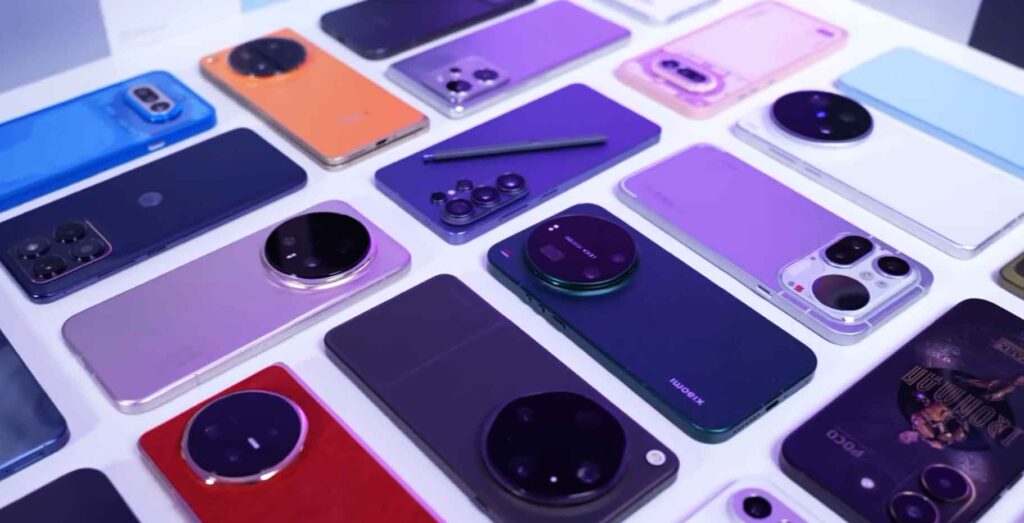
Searching for the best phones to buy 2026? Rising component costs and rapid release schedules can make choosing a new smartphone overwhelming. In this definitive best phones of 2026 review, we analyze over 40 extensively tested handsets to separate genuine innovations from overpriced devices. Whether you demand professional zoom optics, multi-day battery endurance, or elite value under $600, our complete guide covers every major category.
💡 Money-Saving Tip: Before purchasing your phone on AliExpress, check out our verified AliExpress Promo Codes & Coupons to save up to $80 off your order. It gets updated with latest promo codes, so you can bookmark it.
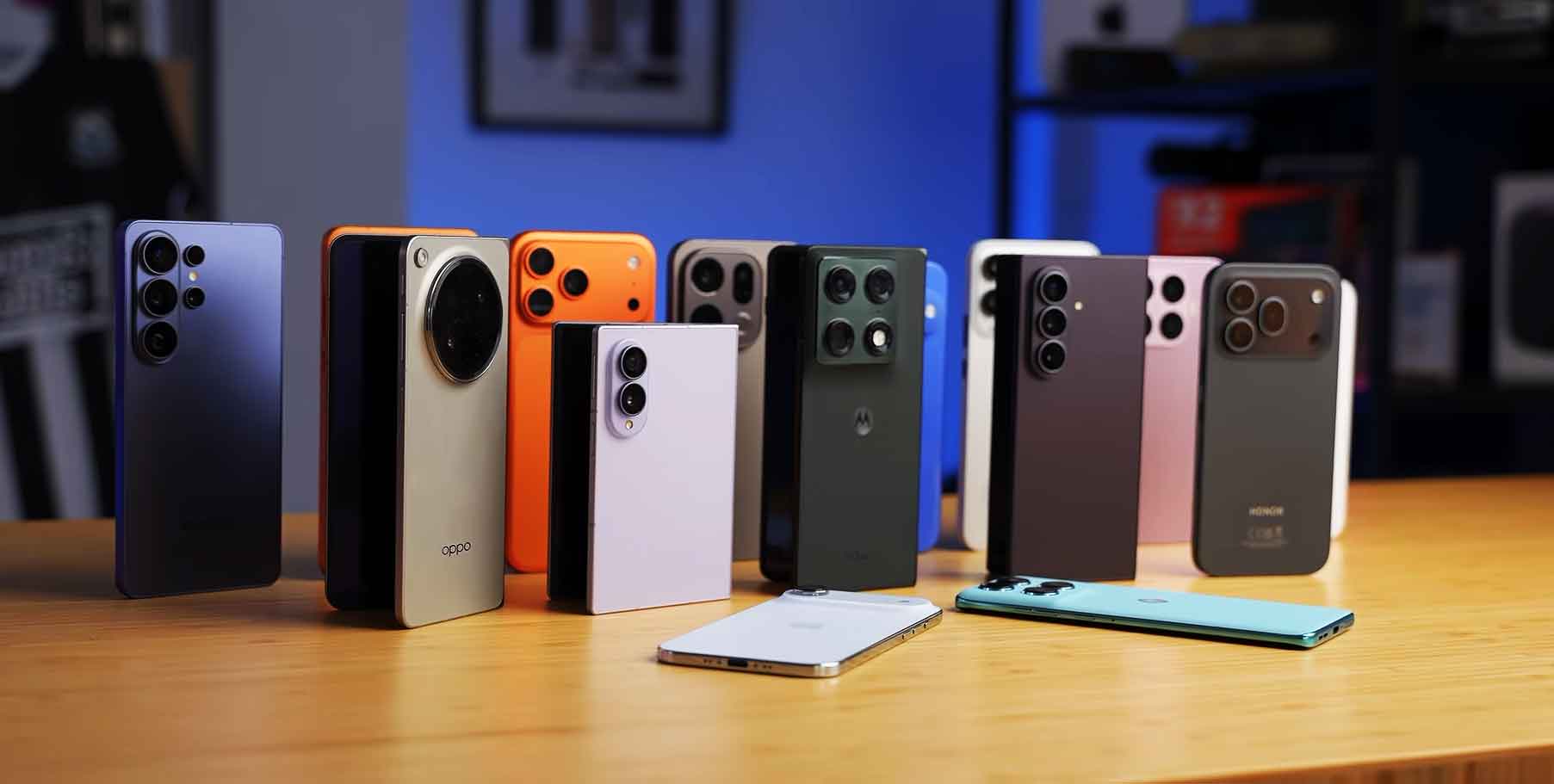

To help you make a smart buying decision, we evaluated real-world battery drain, thermal throttling, and camera sensor performance. Below is our expert breakdown of the top phones 2026 has to offer across all price points.
🔥 Exclusive Shopping Tip: Save on 2026 Smartphones
Planning to buy a new smartphone on AliExpress? Grab our verified promo codes and discount coupons to save up to $10 – $80 off your order today!
Top Flagship Champions: Pure Power and Photographic Mastery
Flagship smartphones represent the absolute pinnacle of mobile engineering. If budget is secondary to cutting-edge features, these best camera phones 2026 also deliver unmatched performance.
1. Samsung Galaxy S26 Ultra: The Refined Productivity King
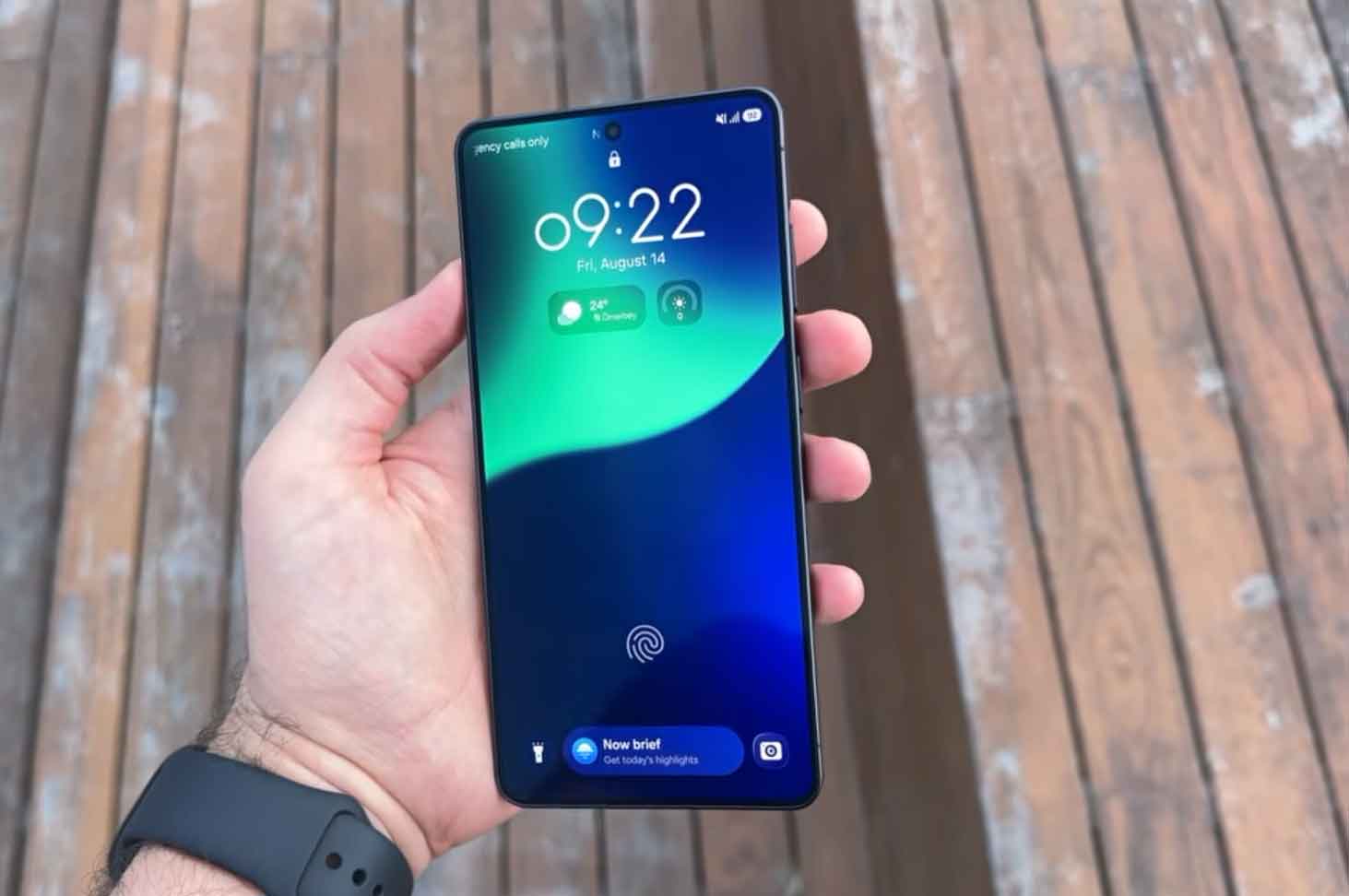
Samsung delivers an exceptionally mature package with the Galaxy S26 Ultra. Furthermore, its class-leading display features an advanced anti-reflective coating that dramatically cuts glare in direct sunlight. One UI paired with Galaxy AI remains the most capable productivity suite on Android, supported by 7 guaranteed years of major operating system updates.

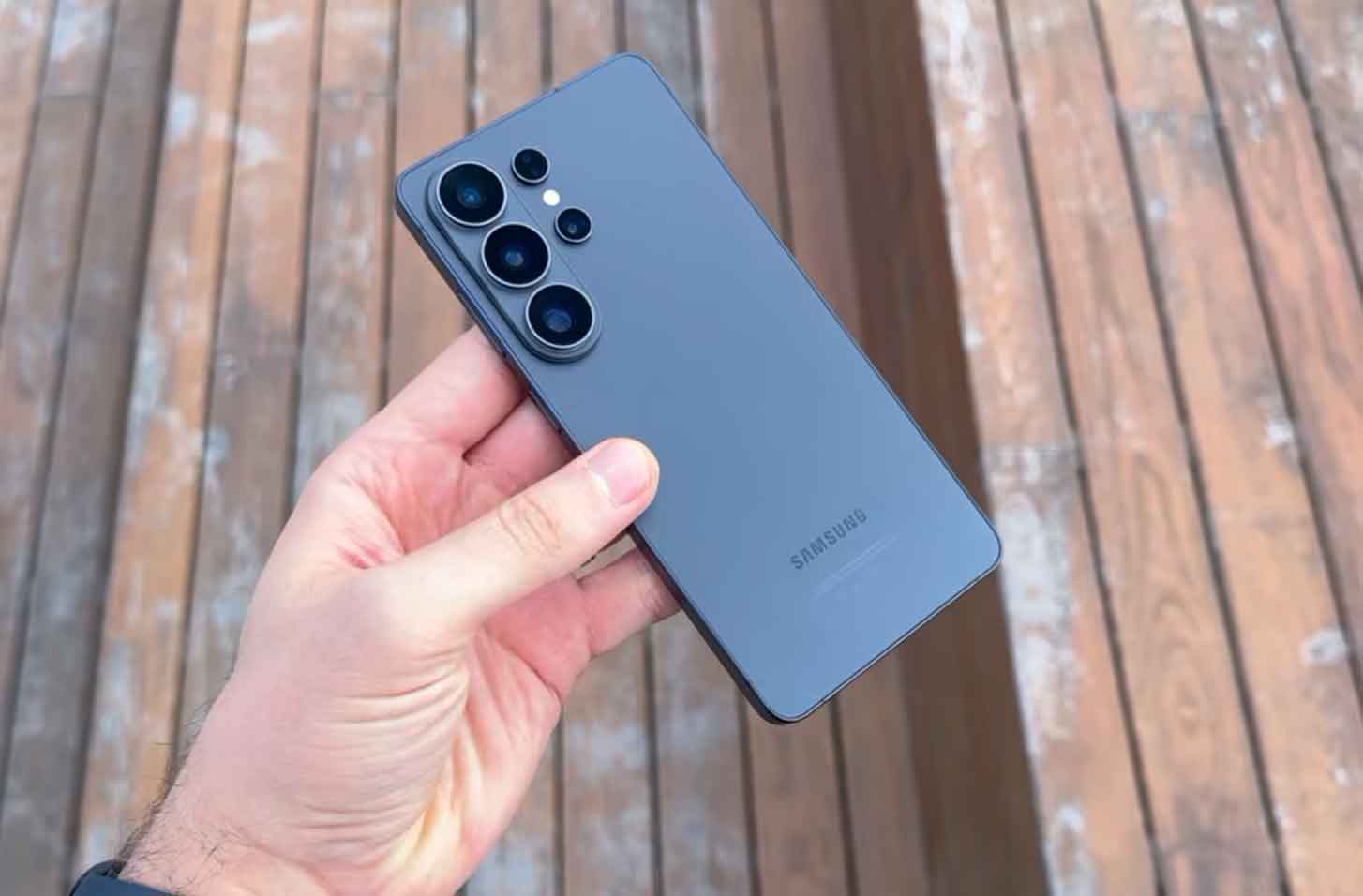
However, the hardware is not without compromises. While 60W wired charging is a welcome speed upgrade, the 5,000mAh battery cell lags behind aggressive rivals packing 7,000mAh+ capacities. Additionally, the 3x secondary telephoto sensor is relatively small, showing noticeable softness in low-light environments.
- Pros: Market-best anti-reflective display, 7-year software commitment, versatile S-Pen, refined One UI multitasking.
- Cons: Modest 5,000mAh battery compared to rivals, aging 3x telephoto sensor hardware, premium price tag.
The Samsung Galaxy S26 Ultra features a 6.8-inch Dynamic AMOLED 2X 120Hz display equipped with an advanced anti-reflective armor coating. Powered by the flagship Snapdragon 8 Gen 5 processor with 12GB of RAM, it handles intensive Galaxy AI multitasking effortlessly. Additionally, the device packs a versatile 200MP quad-camera array with dual optical telephoto lenses, an integrated S-Pen, and a 5,000mAh battery supporting 60W fast charging.

2. Oppo Find X9 Ultra: The Undisputed Camera Benchmark
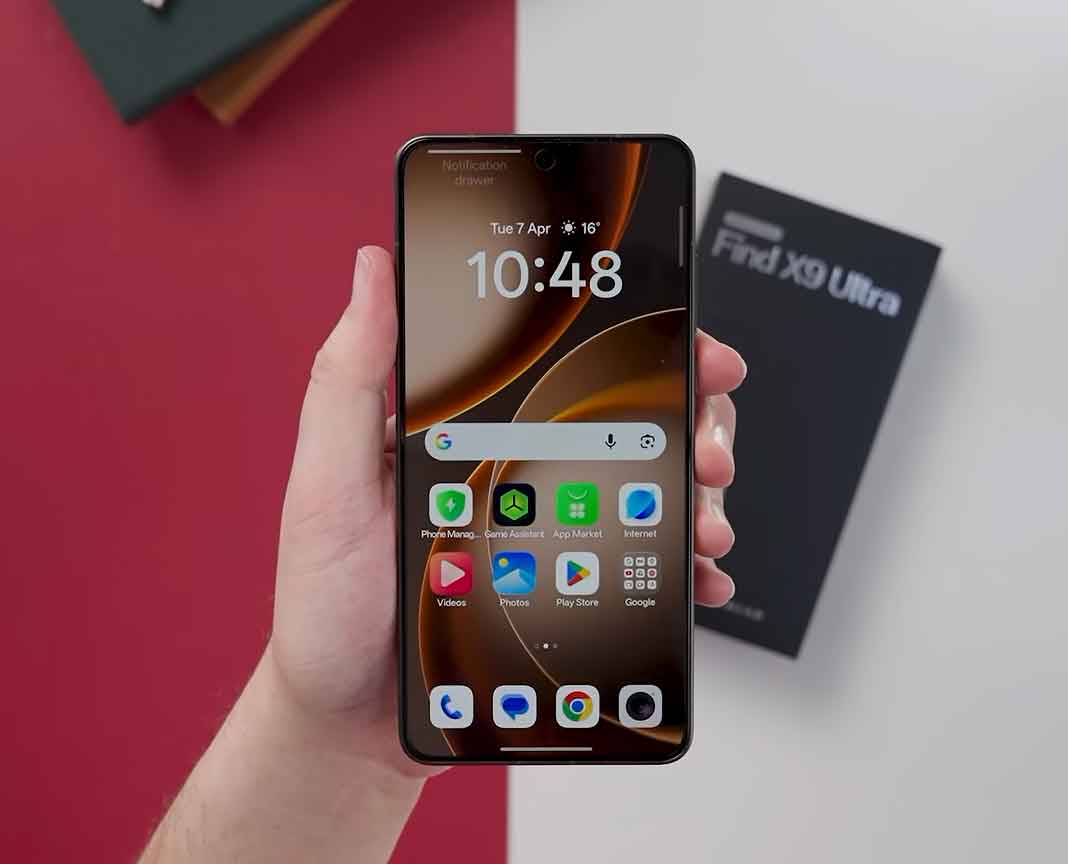
If mobile photography is your absolute priority, the Oppo Find X9 Ultra stands in a league of its own. Equipped with a massive 1-inch main sensor, dual periscope lenses, and authentic Hasselblad color tuning, it captures astonishingly clean images. Most impressively, its true 10x optical zoom preserves sharp details that digital cropping cannot match. Consequently, it dominates every best camera phones 2026 review.

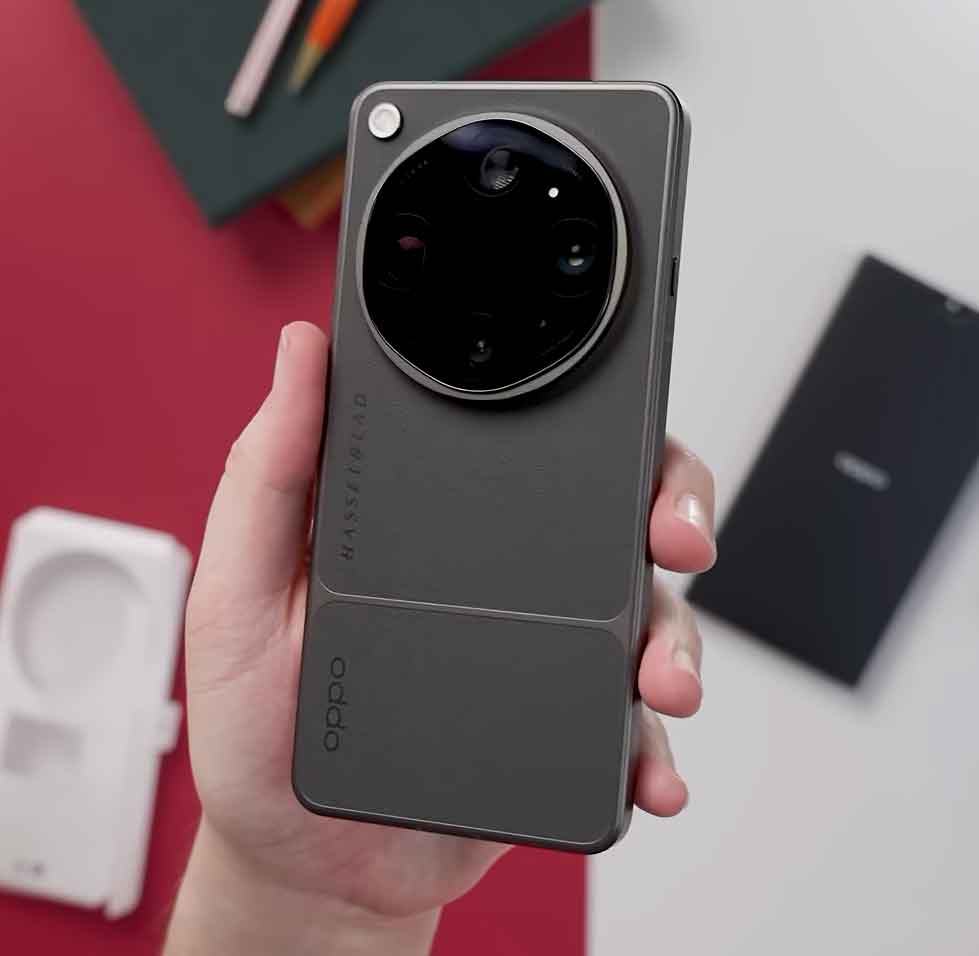
Daily performance on ColorOS is fluid, snappy, and responsive. Nonetheless, limited Western retail distribution remains its primary drawback. Most international buyers will need to import the device, which complicates carrier warranty support and local repairs.

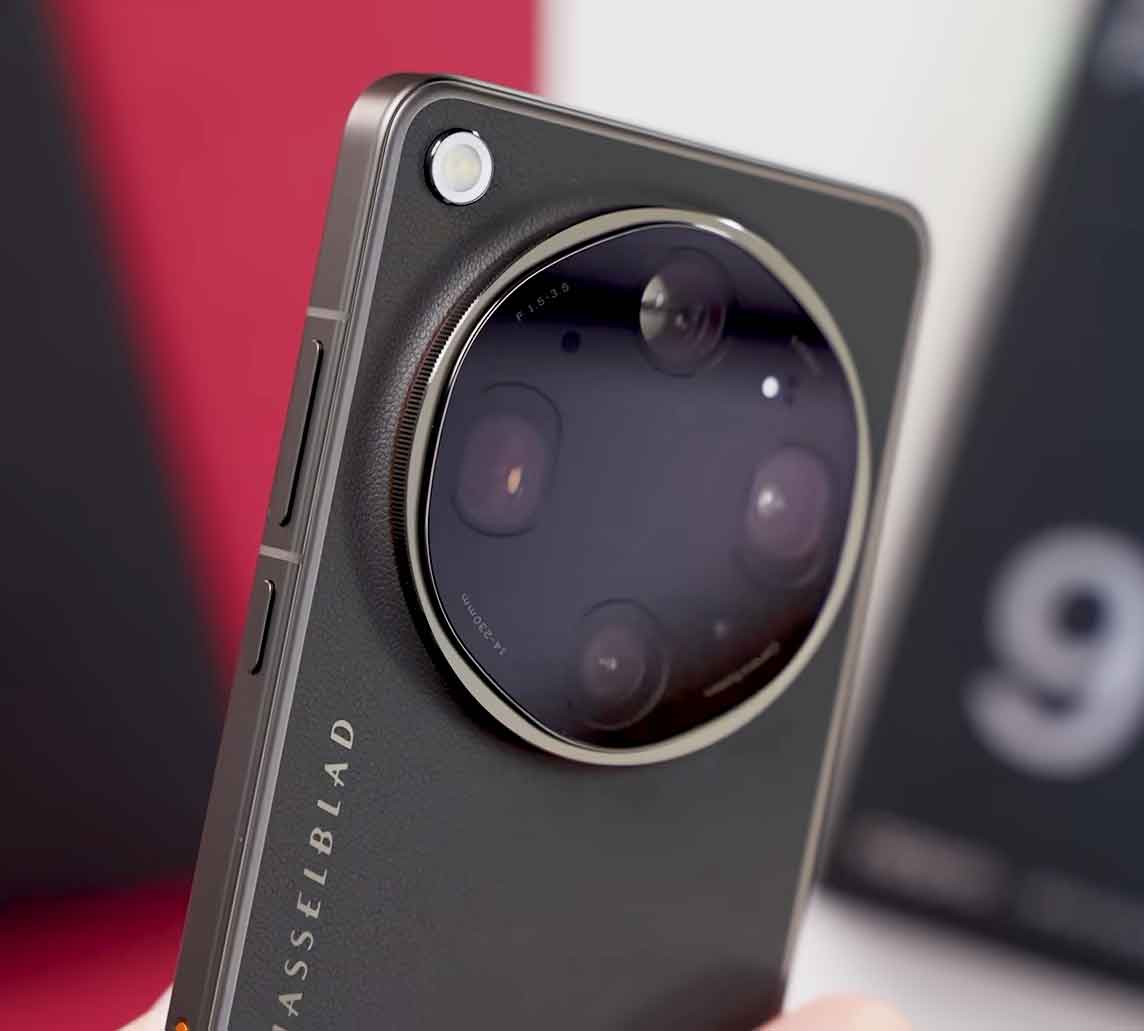
The Oppo Find X9 Ultra features a 6.82-inch 2K LTPO OLED display with a fluid 120Hz adaptive refresh rate. Driven by the flagship Snapdragon 8 Gen 5 processor with up to 16GB of RAM, it delivers blazing ColorOS performance. Furthermore, the photography flagship houses a massive 1-inch 50MP main sensor, dual periscope cameras with a true 10x optical zoom co-engineered with Hasselblad, and a 5,500mAh battery supporting 100W fast charging.
- Pros: Industry-leading 10x optical telephoto lens, natural Hasselblad color calibration, rapid 100W+ charging.
- Cons: Limited retail availability (requires importing), colossal rear camera bump.

3. Apple iPhone 17 Pro Max: Ecosystem Reliability
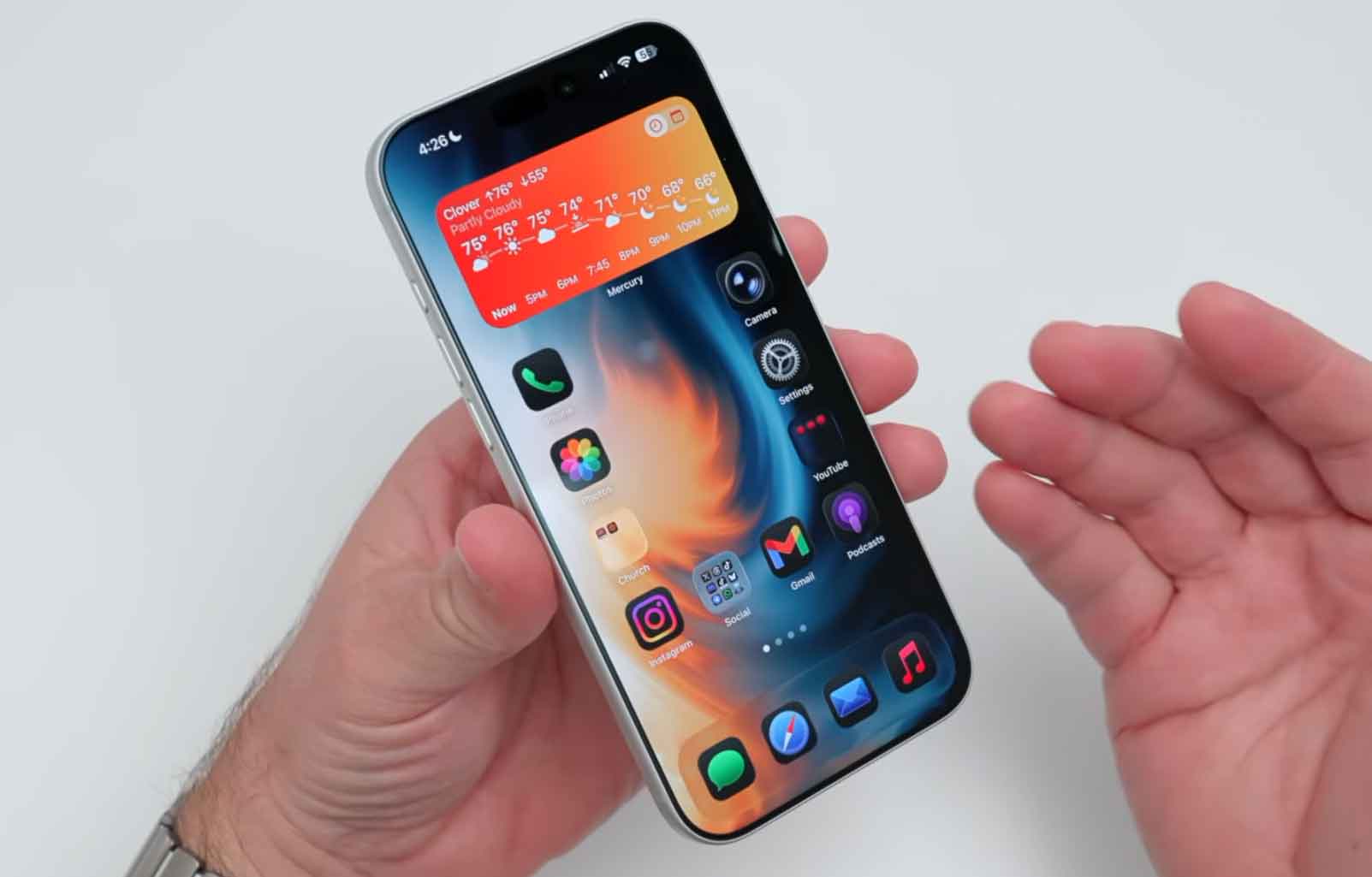
Apple continues to refine its premium flagship experience with the iPhone 17 Pro Max. Powered by the efficient A20 Pro silicon, it offers exceptional 4K ProRes video capture and reliable all-day battery life. Additionally, the new Cosmic Orange titanium finish gives the chassis an unmistakable aesthetic flair.

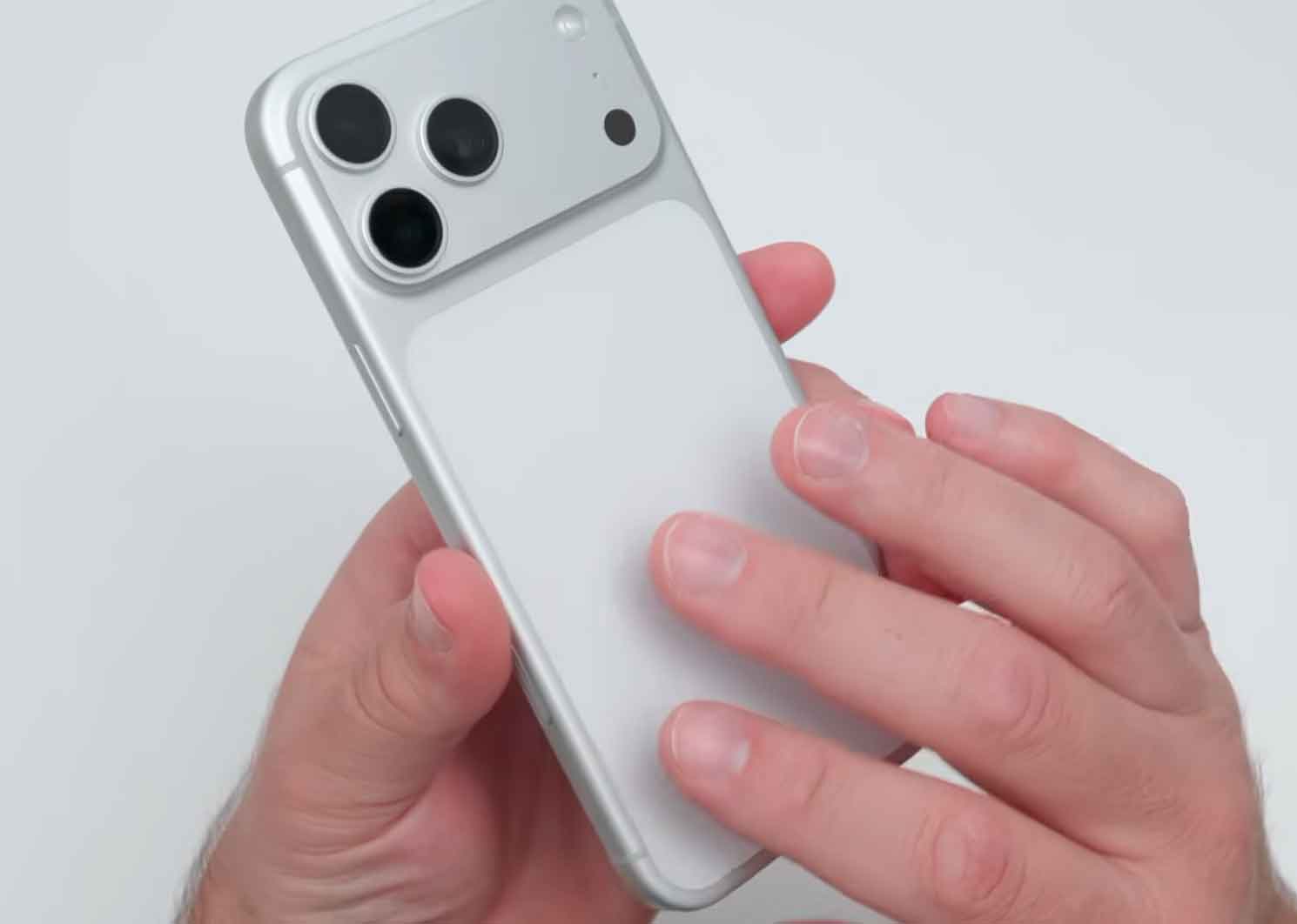
Nevertheless, the year-over-year feature upgrades remain strictly iterative. Power users seeking radical hardware changes or unrestricted multitasking may find top Android flagships more compelling for the price.
The Apple iPhone 17 Pro Max features a 6.9-inch Super Retina XDR OLED display with a 120Hz ProMotion adaptive refresh rate and a Grade 5 Titanium chassis. Powered by the 3nm Apple A19 Pro chip with 12GB of RAM, it delivers class-leading processing speed and 4K120fps ProRes video capture. Furthermore, the flagship houses an upgraded all-48MP triple-camera system with 5x optical telephoto zoom and a 4,823mAh battery supporting 25W MagSafe fast wireless charging.

Best Foldables of 2026: Ergonomics and Big-Screen Utility
Foldable devices have transitioned from delicate prototypes to durable everyday productivity powerhouses. The standout models below lead the category in hinge durability and screen engineering.
1. Samsung Galaxy Z Fold 8: The Passport-Sized Triumph
Samsung has completely reimagined its foldable philosophy with the Galaxy Z Fold 8. By adopting a wider, passport-inspired aspect ratio, the cover screen functions like a regular smartphone rather than a narrow remote. When unfolded, the internal display provides an expansive canvas optimized for three-app split multitasking.
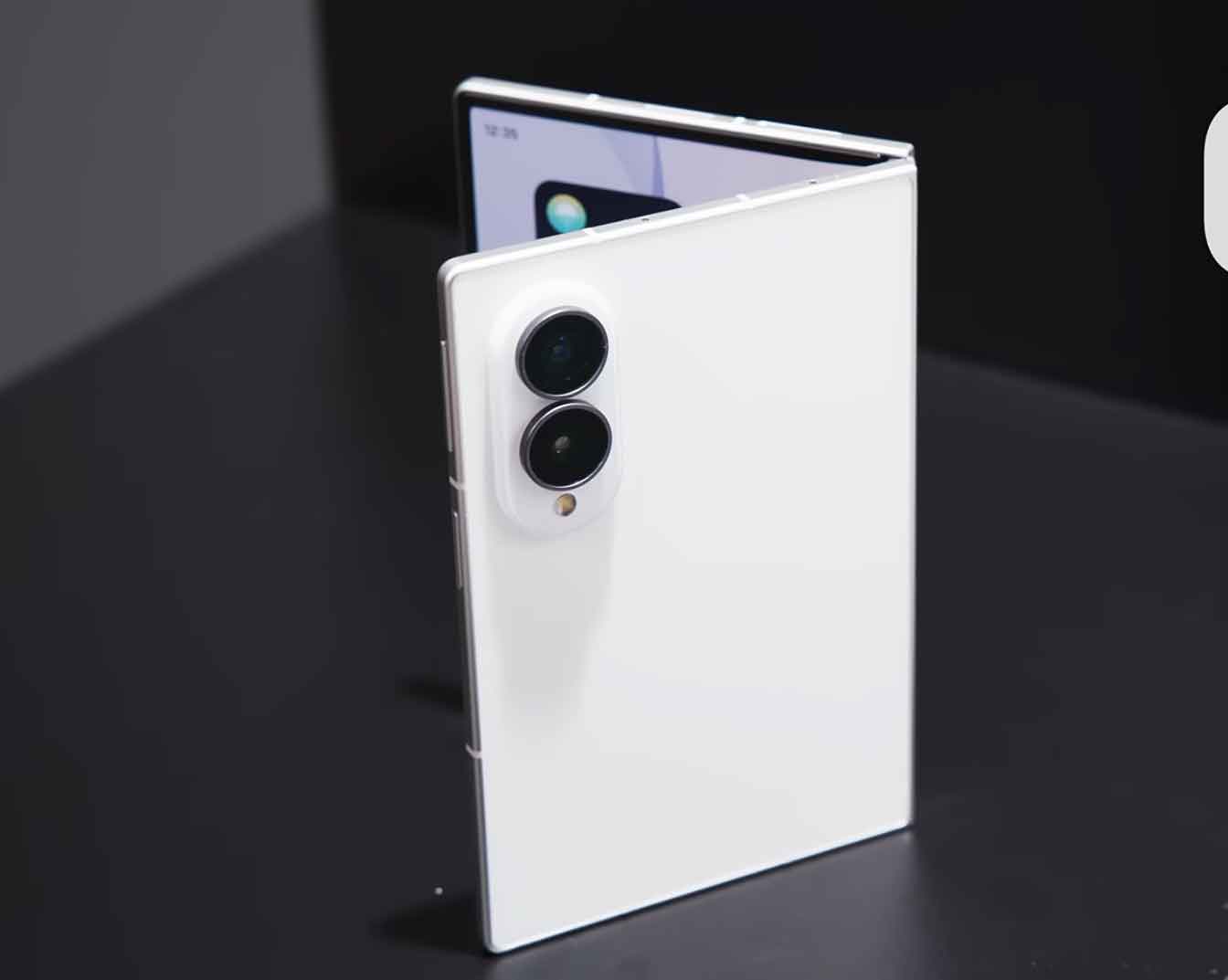

The Samsung Galaxy Z Fold 8 features a passport-inspired 6.3-inch cover display and an expansive 7.6-inch Dynamic AMOLED 2X 120Hz inner screen. Powered by the flagship Snapdragon 8 Gen 5 processor with 12GB of RAM, it handles intensive three-app multitasking effortlessly. Additionally, the device packs a 50MP triple-camera setup with 3x optical zoom, a 4,600mAh battery supporting 45W fast charging, and 7 years of guaranteed operating system updates.

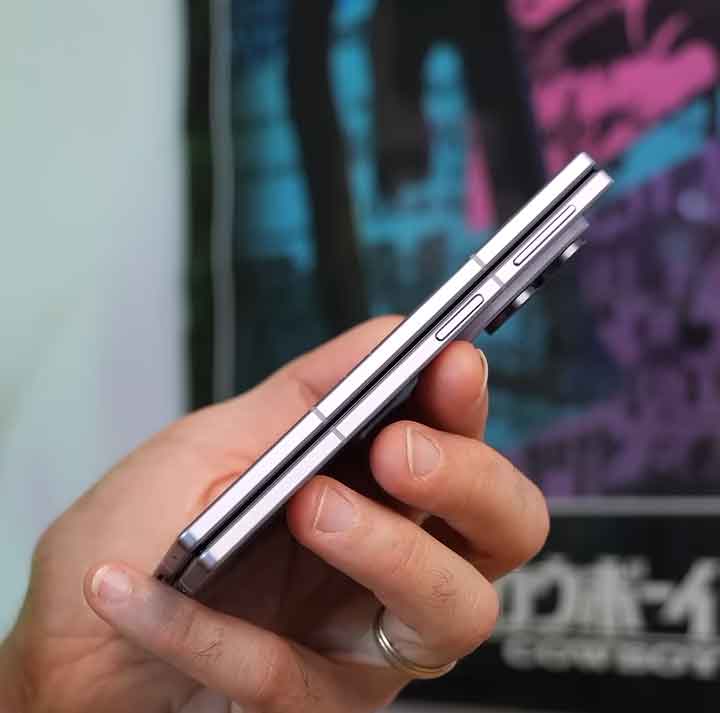
In addition, Samsung’s substantial investment in hinge engineering delivers superior dust resistance and crease reduction. Although it commands an elite $1,799 price, it successfully resolves the usability frustrations of older folding generations.


2. Oppo Find N6: Ultra-Thin and Creaseless
For buyers who prioritize sleek hardware, the Oppo Find N6 offers an impossibly slim chassis with a virtually invisible display crease. It also supports active stylus input on both displays, providing excellent versatility for sketching and document signing. However, official retail availability outside Asia remains severely restricted.

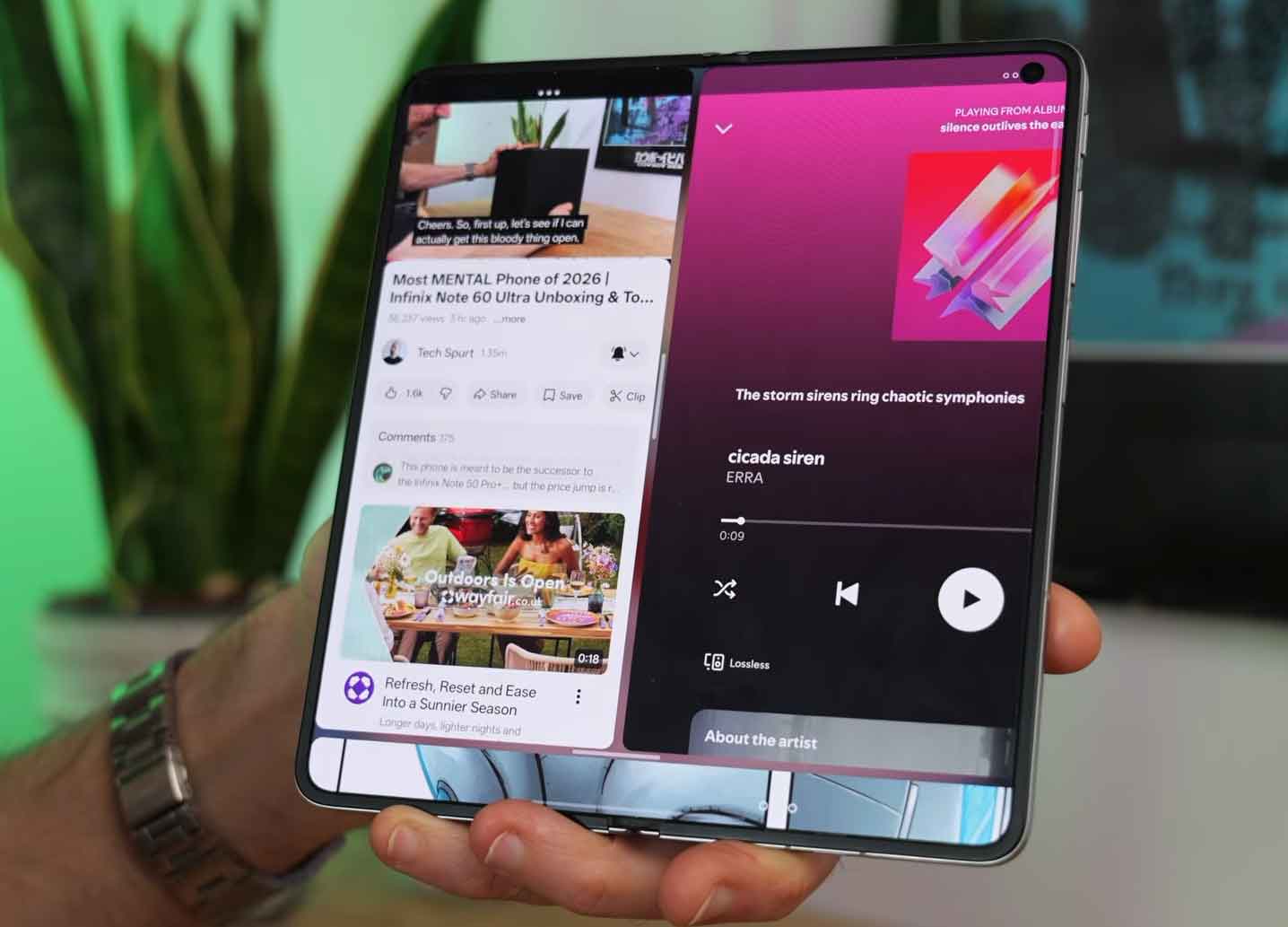
The Oppo Find N6 features an ultra-slim, lightweight chassis equipped with a virtually creaseless 7.82-inch 120Hz LTPO foldable OLED main screen and a usable 6.31-inch outer display. Powered by the flagship Snapdragon 8 Gen 5 processor with up to 16GB of RAM, it drives demanding apps effortlessly. Additionally, the device incorporates a 50MP Hasselblad triple-camera array, a 5,000mAh high-density battery with 80W fast charging, and full active stylus support across both displays.
Best Mid-Range & Flagship Killers: Maximum Value for Money
Navigating the mid-tier market requires inspecting real-world benchmarks closely. Below are the standout best phones of 2026 that deliver flagship-tier experiences without draining your savings.
1. Samsung Galaxy S25 FE: The Smart Buyer’s Default Choice
The Galaxy S25 FE represents the ideal sweet spot in modern smartphone pricing. Selling for under $600 for the 256GB model, it features a vivid 6.7-inch 120Hz Dynamic AMOLED display and a dedicated 3x optical telephoto camera. Flagship-grade silicon ensures snappy multitasking, while 7 years of software updates guarantee long-term peace of mind.

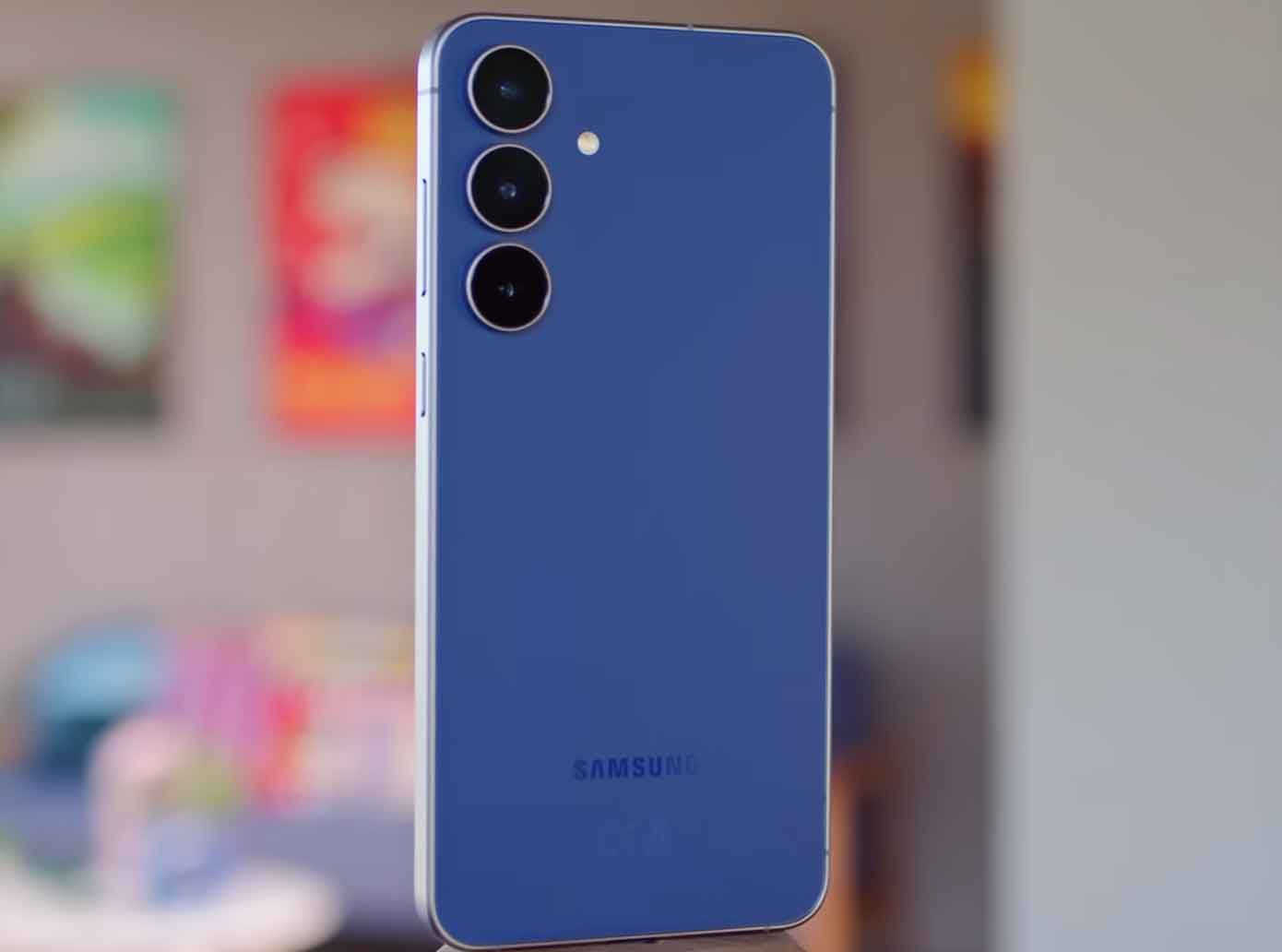
The Samsung Galaxy S25 FE features a vibrant 6.7-inch Dynamic AMOLED 120Hz display within a slim, 190g lightweight chassis. Powered by flagship-tier processing silicon with 8GB of RAM, it handles gaming and daily multitasking smoothly. Additionally, the device packs a versatile 50MP triple-camera system with a dedicated 3x optical telephoto lens, a 4,900mAh battery supporting 45W fast charging, and 7 guaranteed years of software updates.
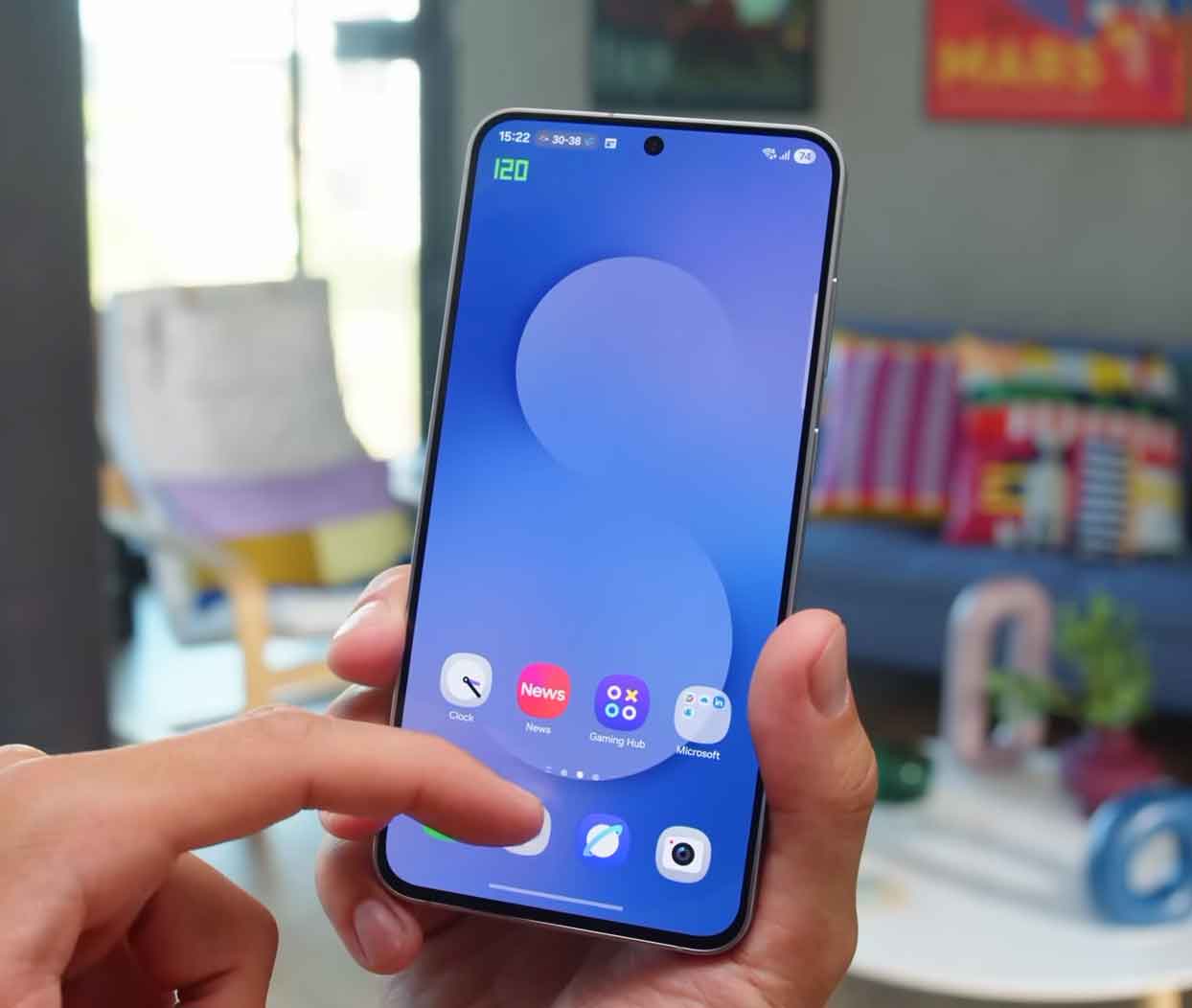

Furthermore, its lightweight 190g chassis includes 45W wired charging and wireless charging support. Therefore, it easily outclasses standard mid-rangers that omit optical zoom and water resistance.
2. Poco X8 Pro Max: The Unstoppable Battery Powerhouse
Poco has delivered an astonishing spec sheet with the X8 Pro Max. Housing a big 8,500mAh silicon-carbon battery, this device routinely lasts three full days of heavy usage. You can even use it as a portable power bank to charge accessories via reverse wired charging.

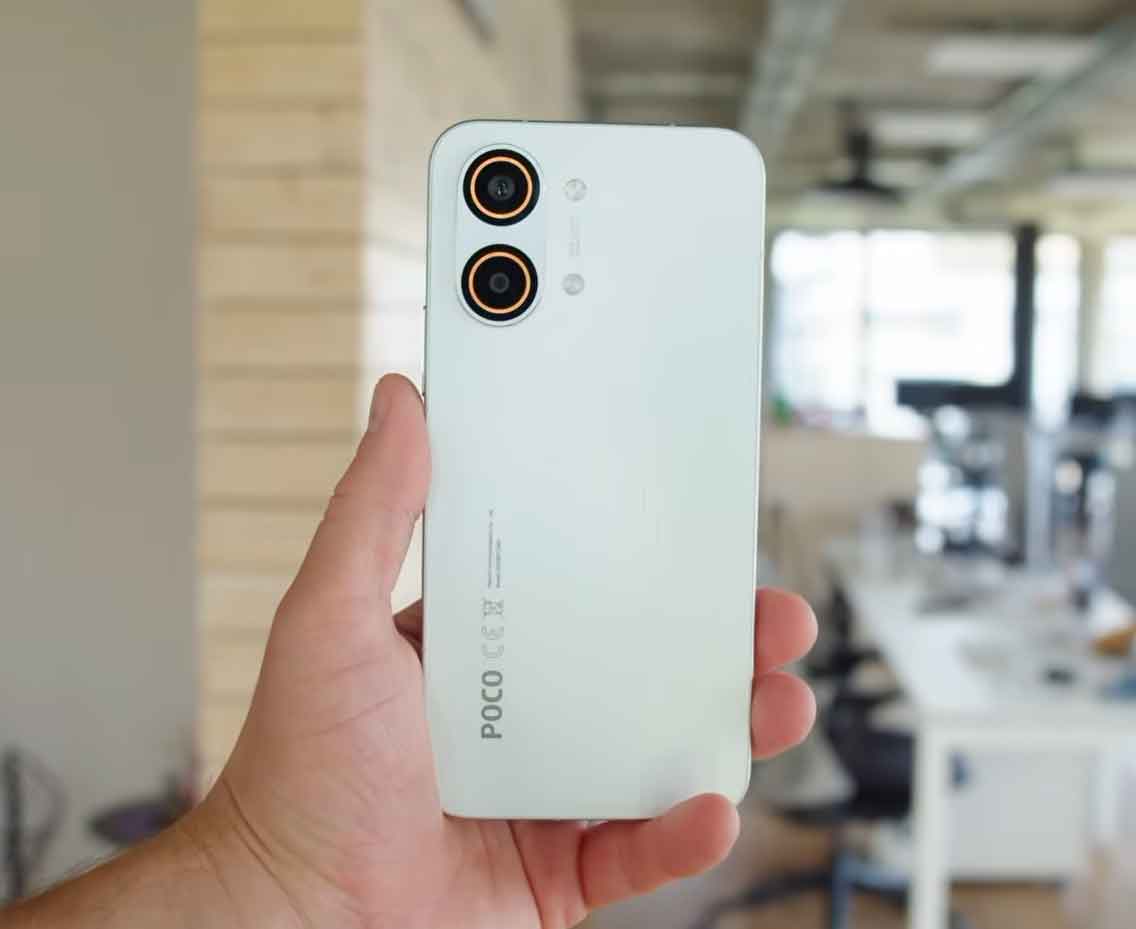
The Poco X8 Pro Max features a 6.8-inch 1.5K AMOLED display with an ultra-smooth 144Hz refresh rate. Furthermore, the device packs a massive 8,500mAh silicon-carbon battery with 90W fast charging, dual stereo speakers capable of a 400% volume boost, and reverse power-bank charging capabilities.

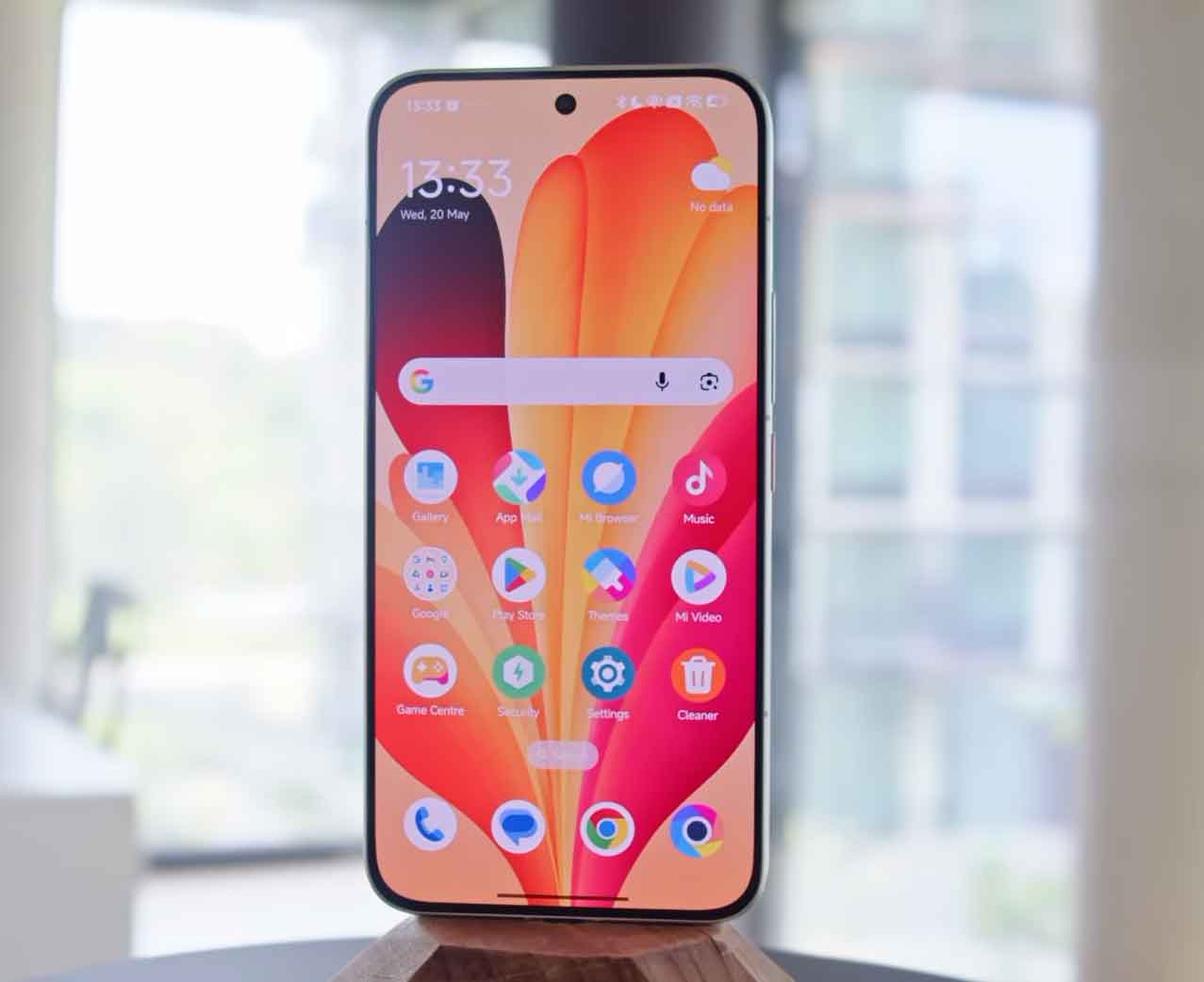
Moreover, the MediaTek Dimensity 9500S chipset handles demanding 3D gaming effortlessly, aided by dual stereo speakers capable of 400% boosted volume. The primary tradeoff is the absence of a telephoto camera and some pre-installed bloatware within HyperOS.
3. Nothing Phone (4a) & Phone (4a) Pro: Transparent Aesthetics and Clean Software
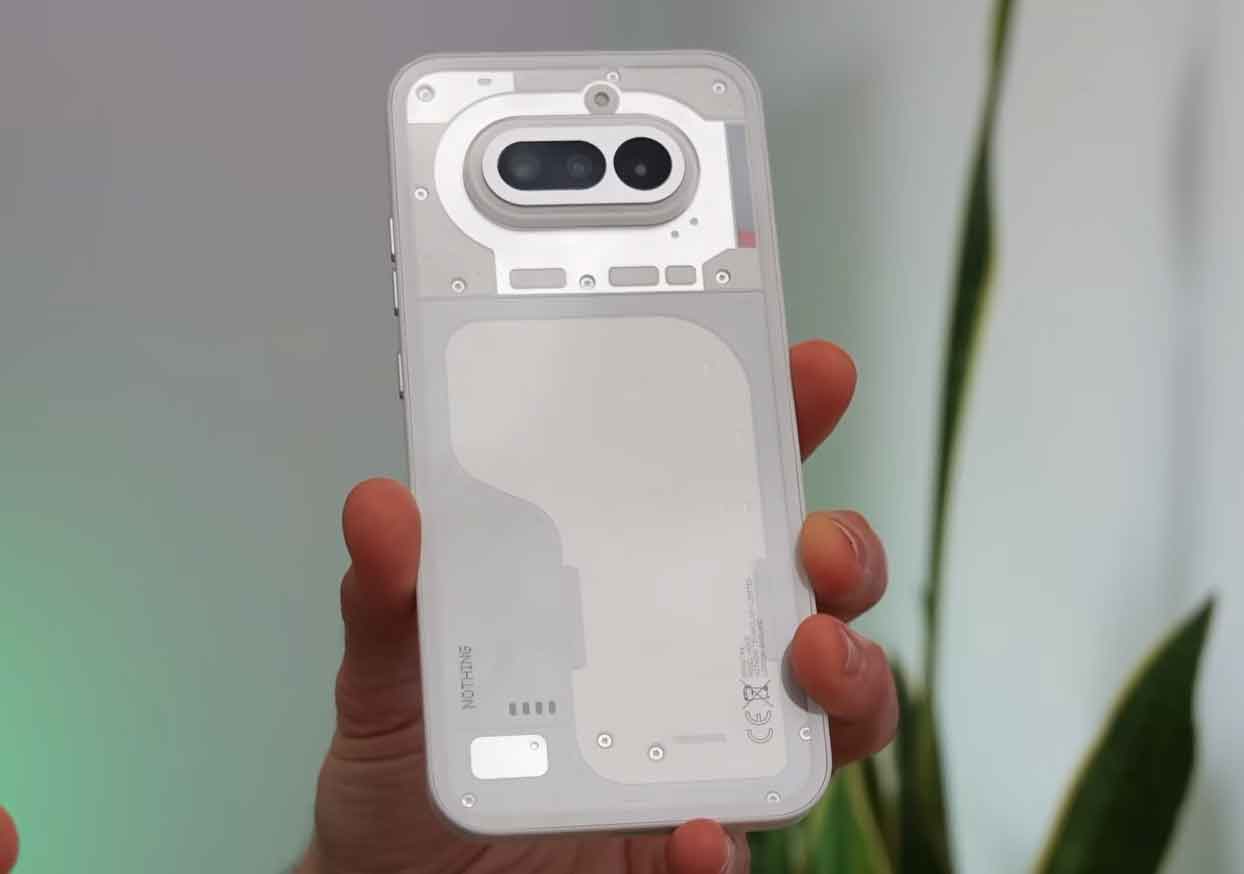
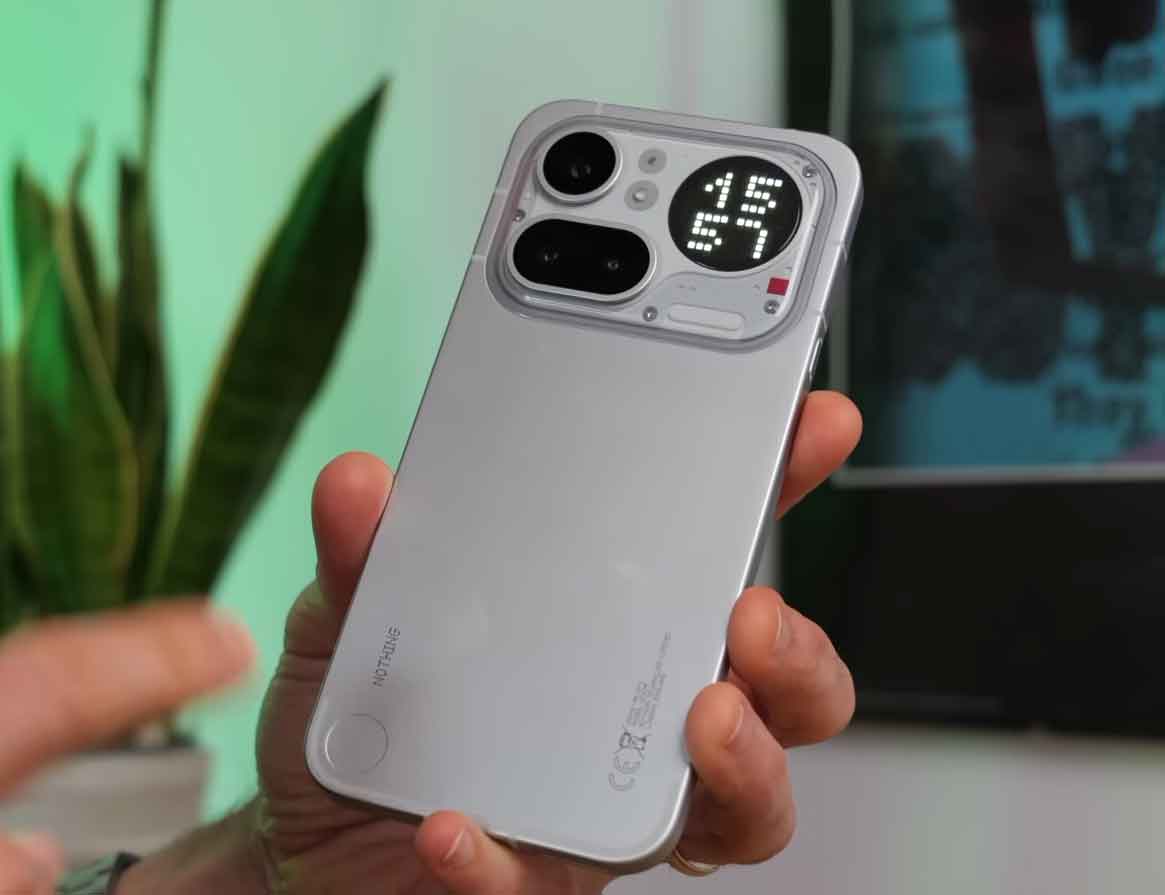
London-based Nothing provides an inventive alternative to generic black slabs. The Phone (4a) retains signature transparent styling, while the Phone (4a) Pro introduces a premium metal unibody and interactive rear Glyph matrix. Crucially, both models include dedicated telephoto cameras—an exceptional luxury at the $399 to $599 price point.

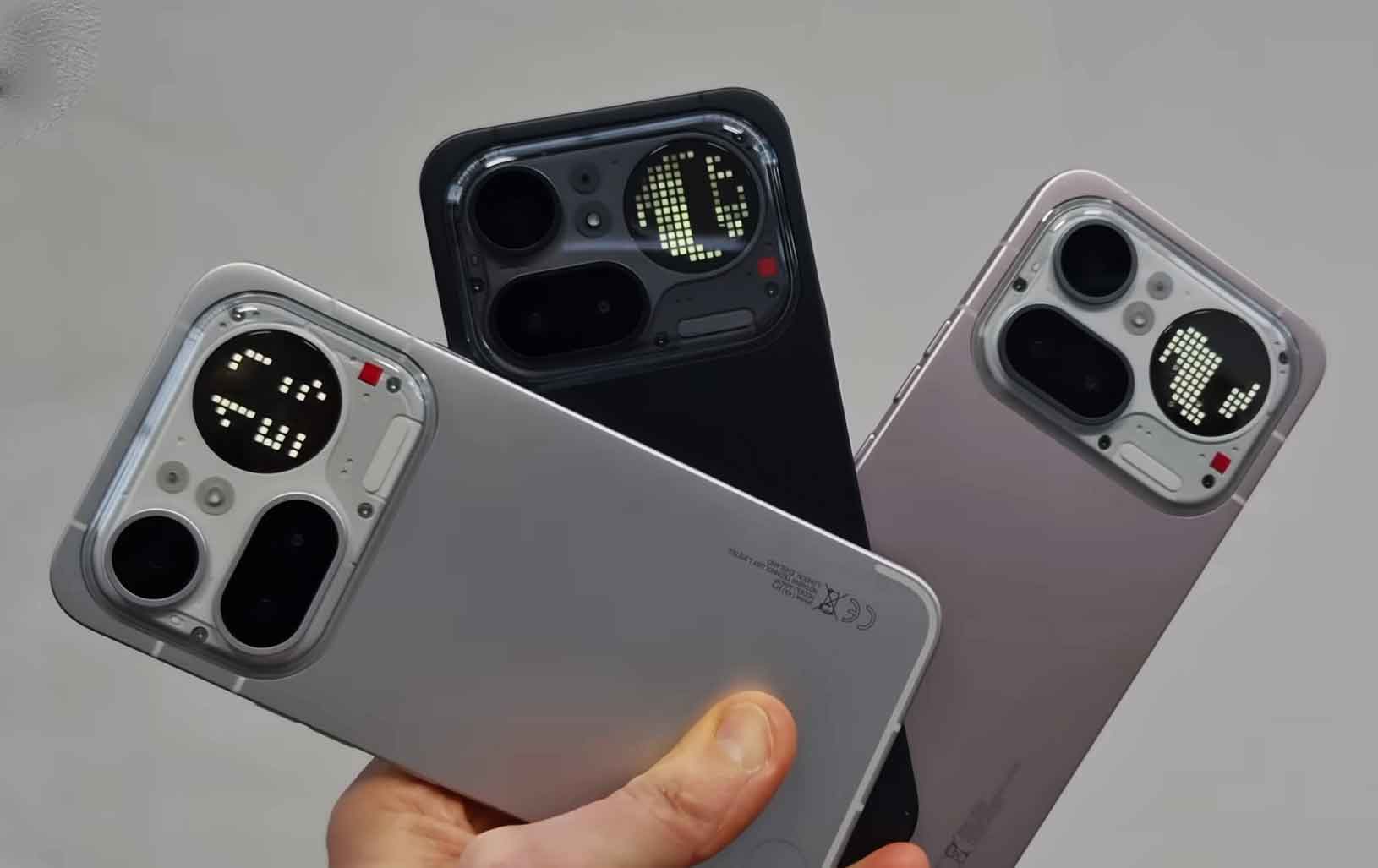
The Nothing Phone (4a) features a 6.7-inch 120Hz AMOLED display with signature transparent styling and a refined Glyph notification bar. Powered by an efficient mid-range chipset with a 5,000mAh battery, it uniquely includes a dedicated 50MP telephoto camera alongside its 50MP main sensor.


In contrast, the upgraded Nothing Phone (4a) Pro adopts a premium metal unibody and an interactive rear Glyph matrix screen. The Pro model upgrades to Qualcomm’s Snapdragon 7s Gen 4 processor, eSIM capability, and a larger 5,400mAh battery with 65W fast charging.

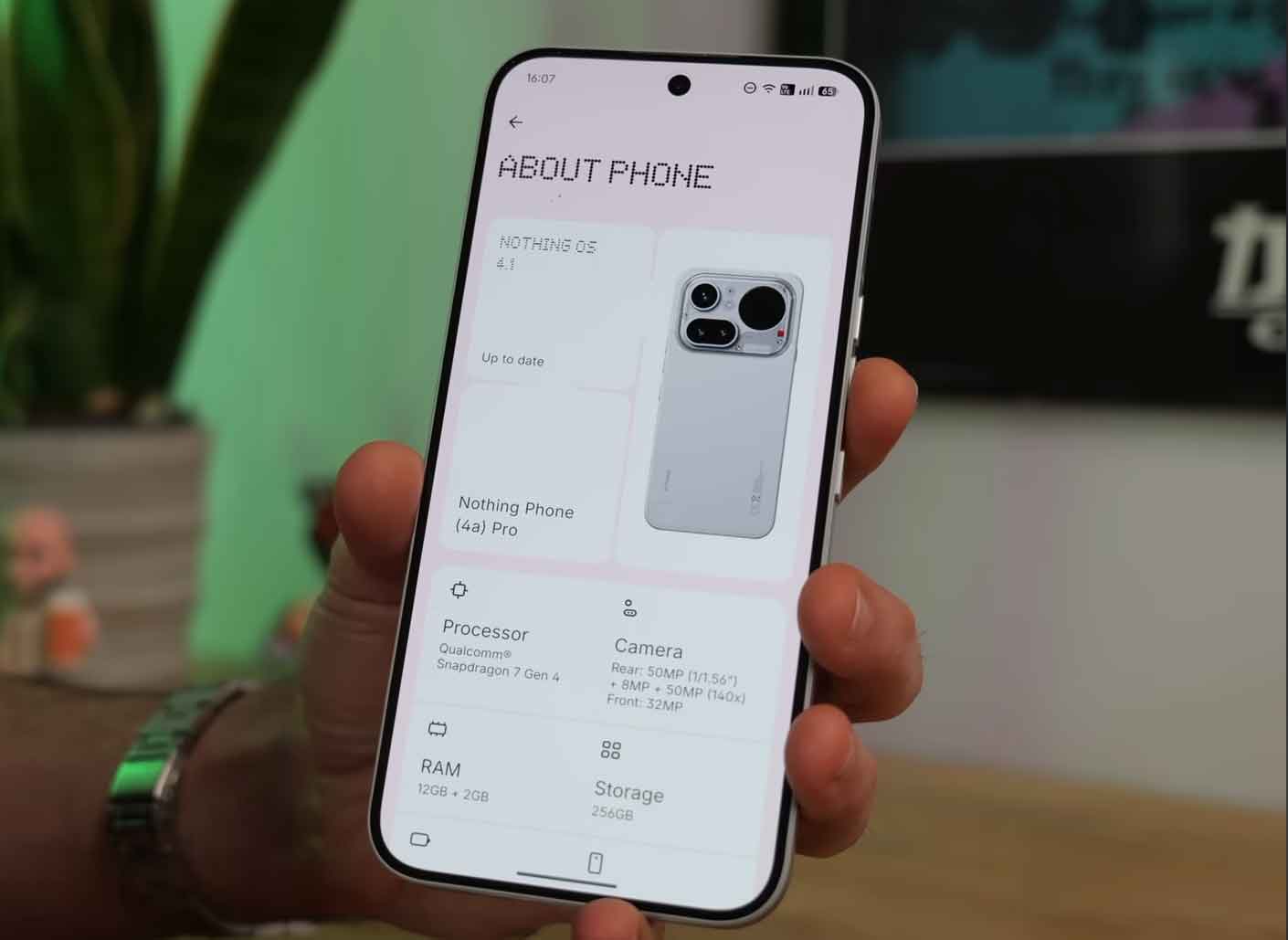
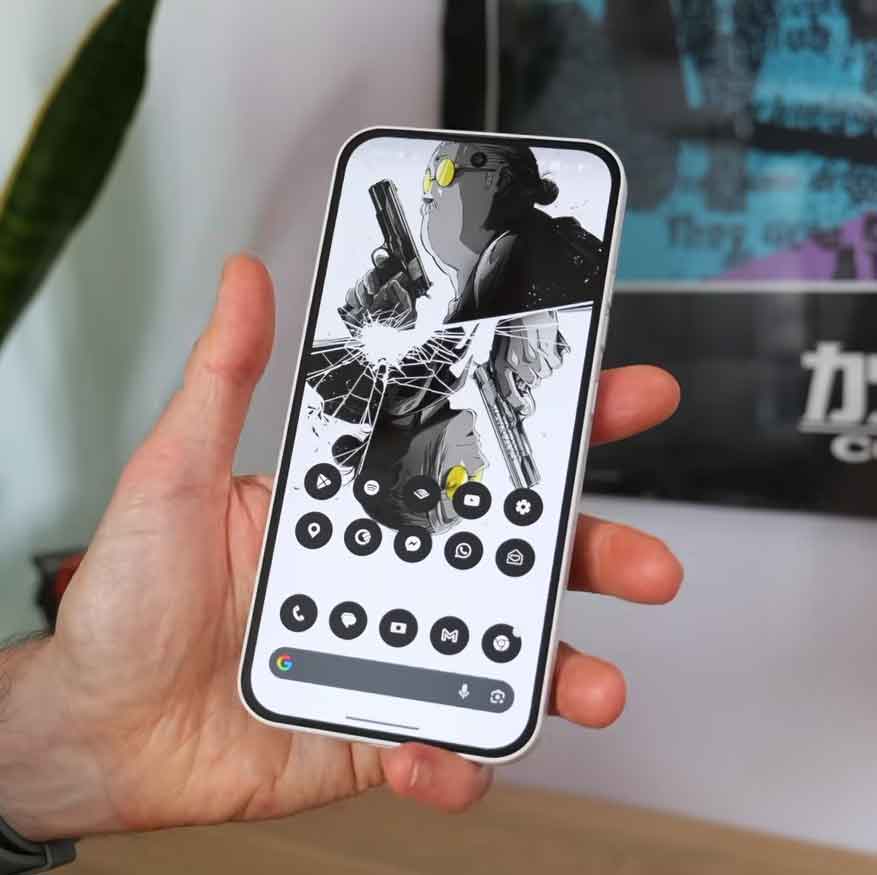
Nothing OS provides a bloatware-free, fluid interface with functional widget integration. Consequently, it remains one of the cleanest software environments on Android.

4. Google Pixel 10a: Computational Photography Mastery
Google’s Pixel 10a proves that megapixels alone do not determine image quality. Leveraging Google’s Tensor G4 and advanced machine learning algorithms, it captures stunning, well-balanced photos in challenging lighting. Additionally, it offers 7 years of immediate day-one Android updates.

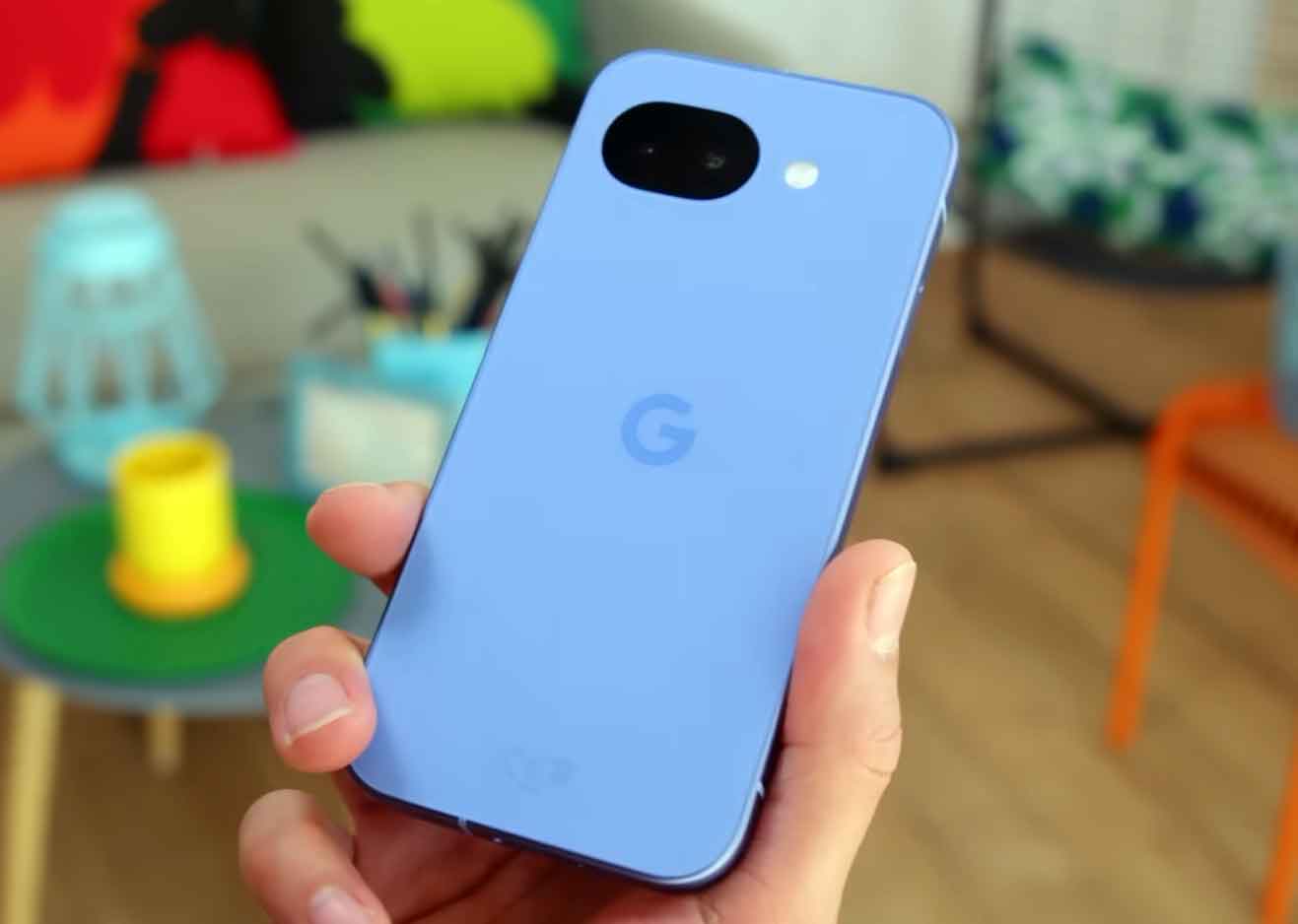
The Google Pixel 10a features a compact 6.3-inch Actua OLED display with a smooth 120Hz refresh rate. Driven by Google’s Tensor G4 silicon with 8GB of RAM, it powers advanced computational photography and on-device Gemini AI features. Additionally, the device packs an optically stabilized 48MP main camera, a 4,700mAh battery supporting 45W fast charging, and 7 guaranteed years of day-one Android updates.

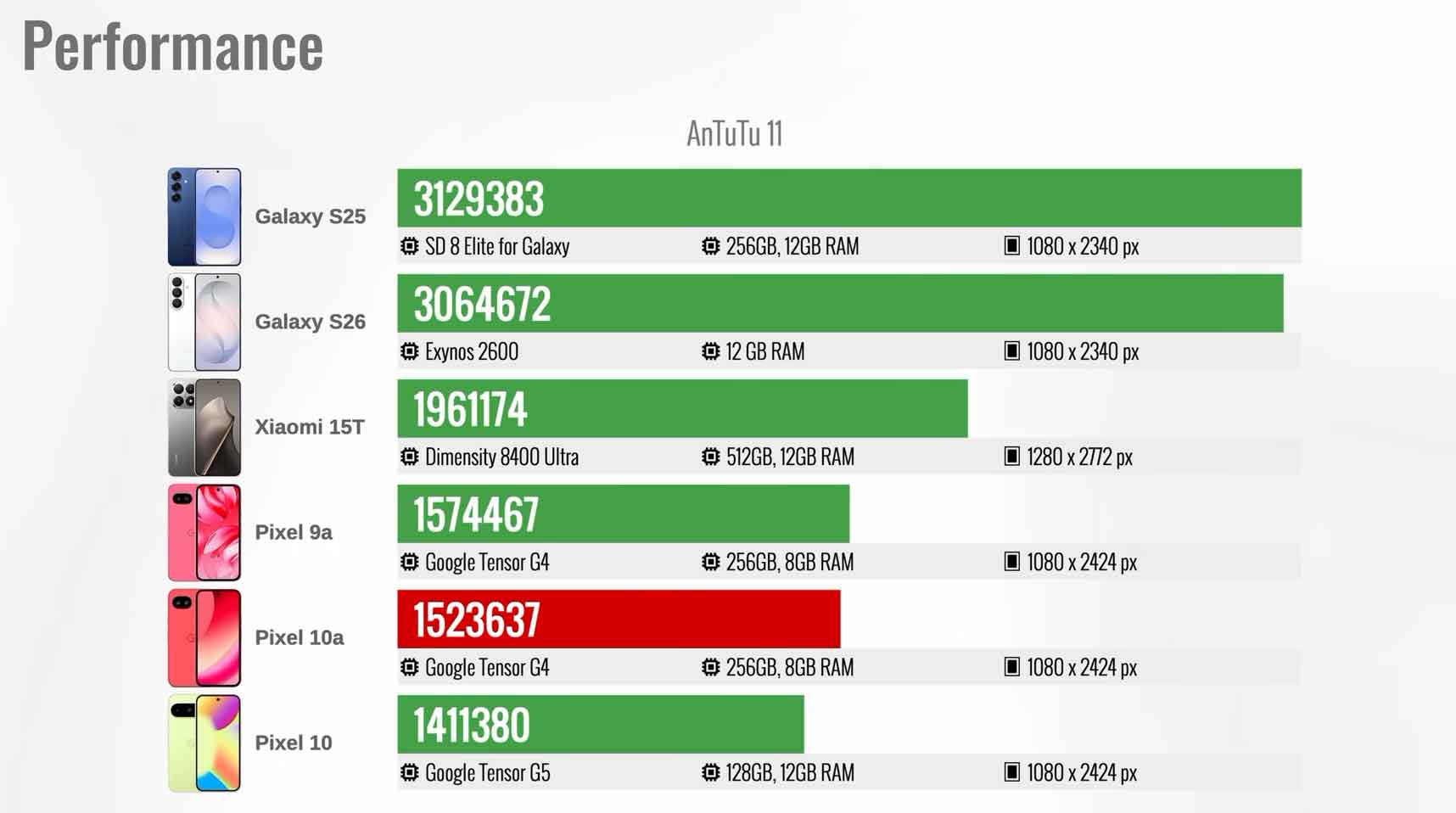
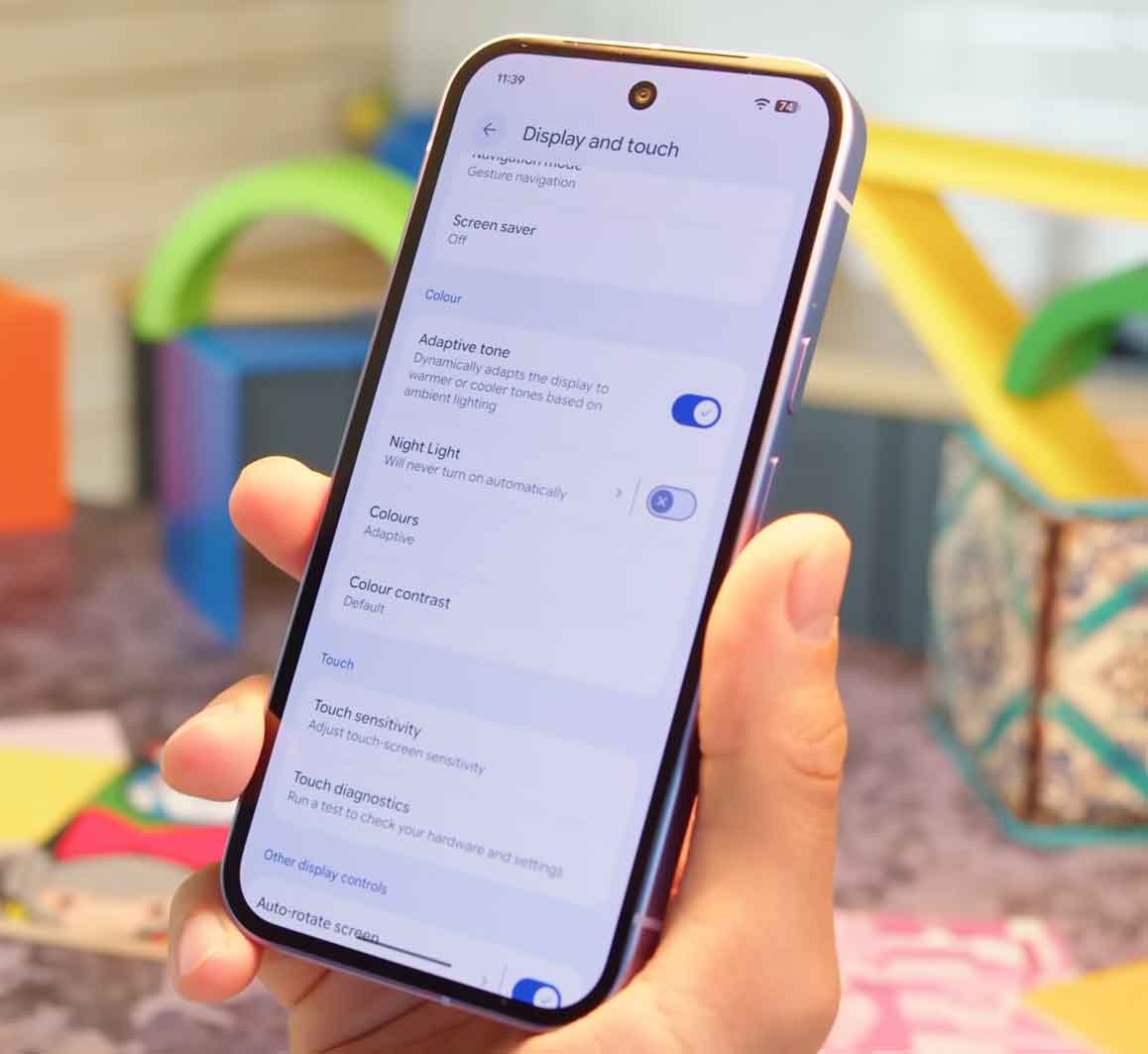
On the other hand, the display bezels remain noticeably thick. Because the Tensor G4 prioritizes AI efficiency over raw GPU muscle, hardcore gamers should consider dedicated performance handsets instead.

5. Xiaomi 17T Pro: The Sub-$1,000 Leica Beast
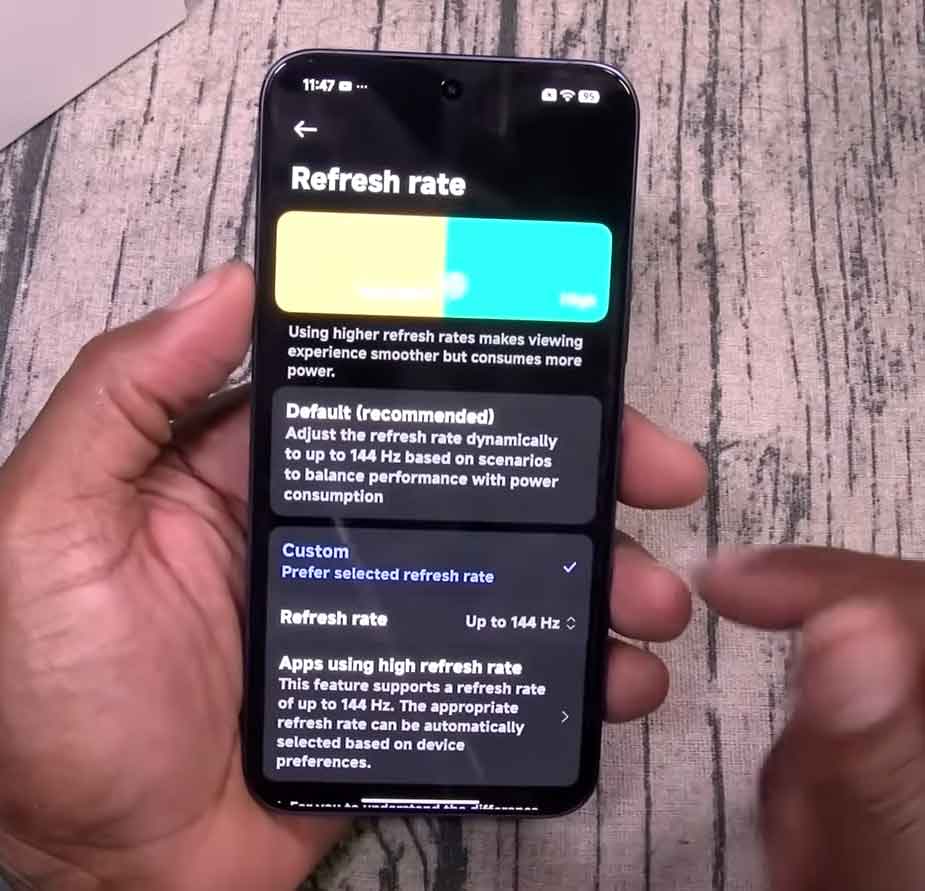
Co-engineered with Leica, the Xiaomi 17T Pro brings authentic high-contrast color profiles to a sub-$1,000 price point. Despite a slender 8.2mm profile, it houses a massive 7,000mAh battery with blazing 100W HyperCharge. Driven by the flagship Dimensity 9500 chip, it rivals $1,300 devices in speed and photographic depth.

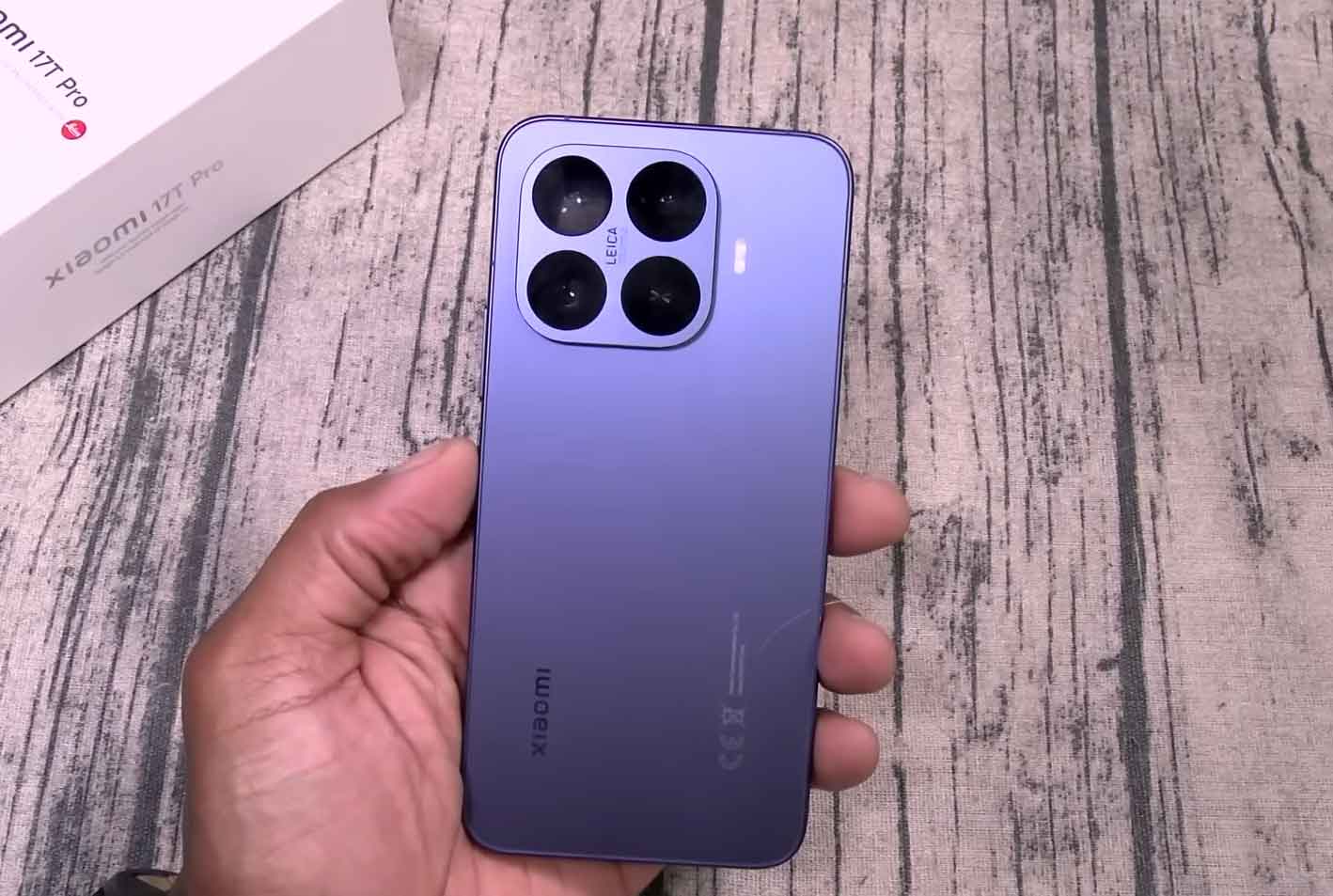
The Xiaomi 17T Pro features a vibrant 6.67-inch CrystalRes AMOLED display with a fluid 144Hz refresh rate and Dolby Vision support. Powered by the flagship MediaTek Dimensity 9500 processor with 12GB of RAM, it handles graphics-intensive 3D gaming effortlessly. This flagship killer houses a co-engineered 50MP Leica triple-camera system with 5x optical zoom.

Specialized Champions: Gaming Beasts, Battery Titans & Traps
Some users require specialized hardware tailored to extreme use cases. Below are the top niche performers along with one high-profile model you should avoid.
Best Dedicated Gaming Phone: Red Magic 11S Pro
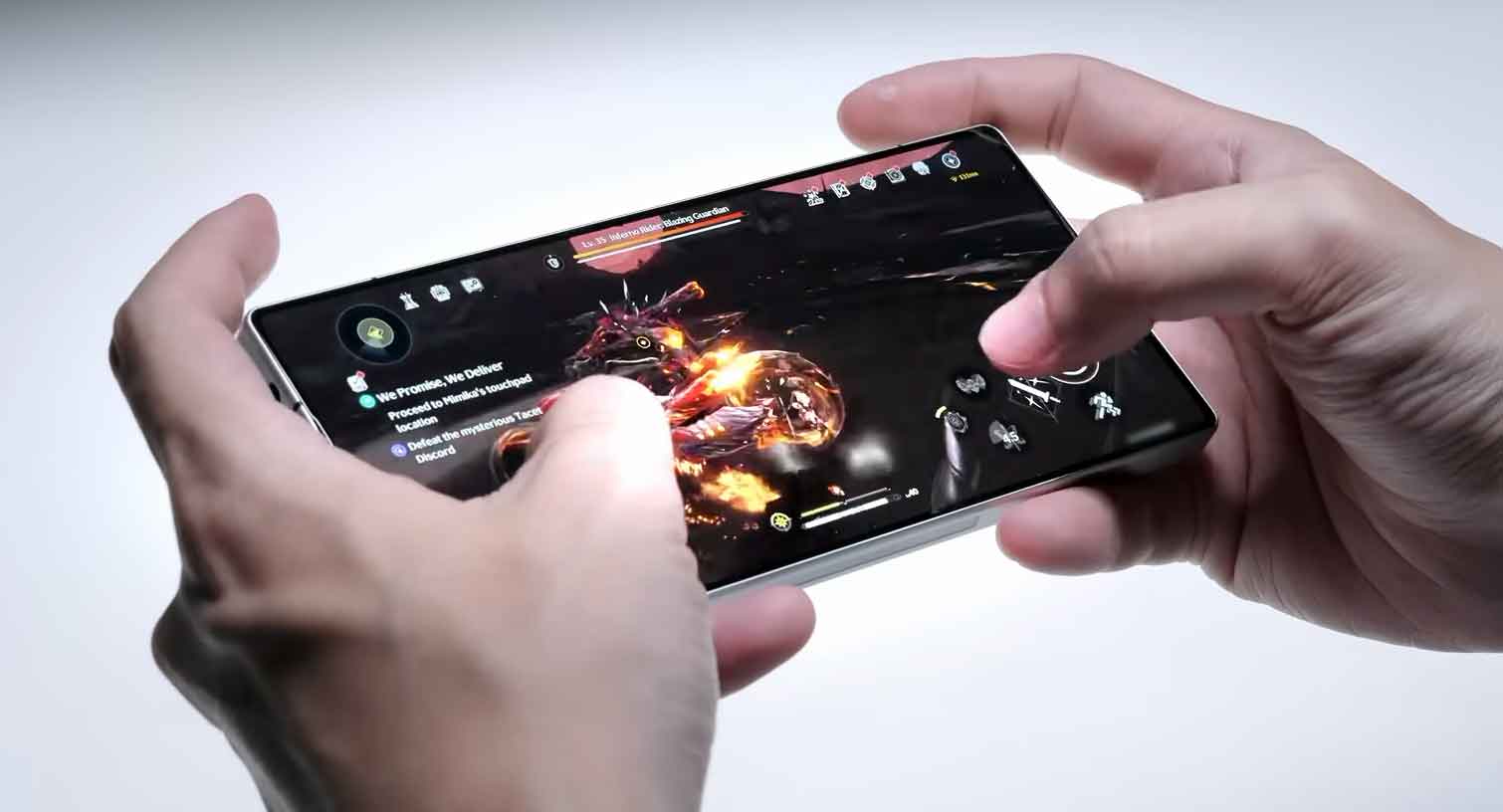
The Red Magic 11S Pro dominates mobile gaming benchmarks. Featuring an overclocked Snapdragon 8 Gen 5 Legion Edition, physical capacitive shoulder triggers, and an internal centrifugal cooling fan, it maintains a lock-solid 60 FPS in demanding titles like Wuthering Waves. Furthermore, its under-display selfie camera ensures an uninterrupted 165Hz visual canvas.

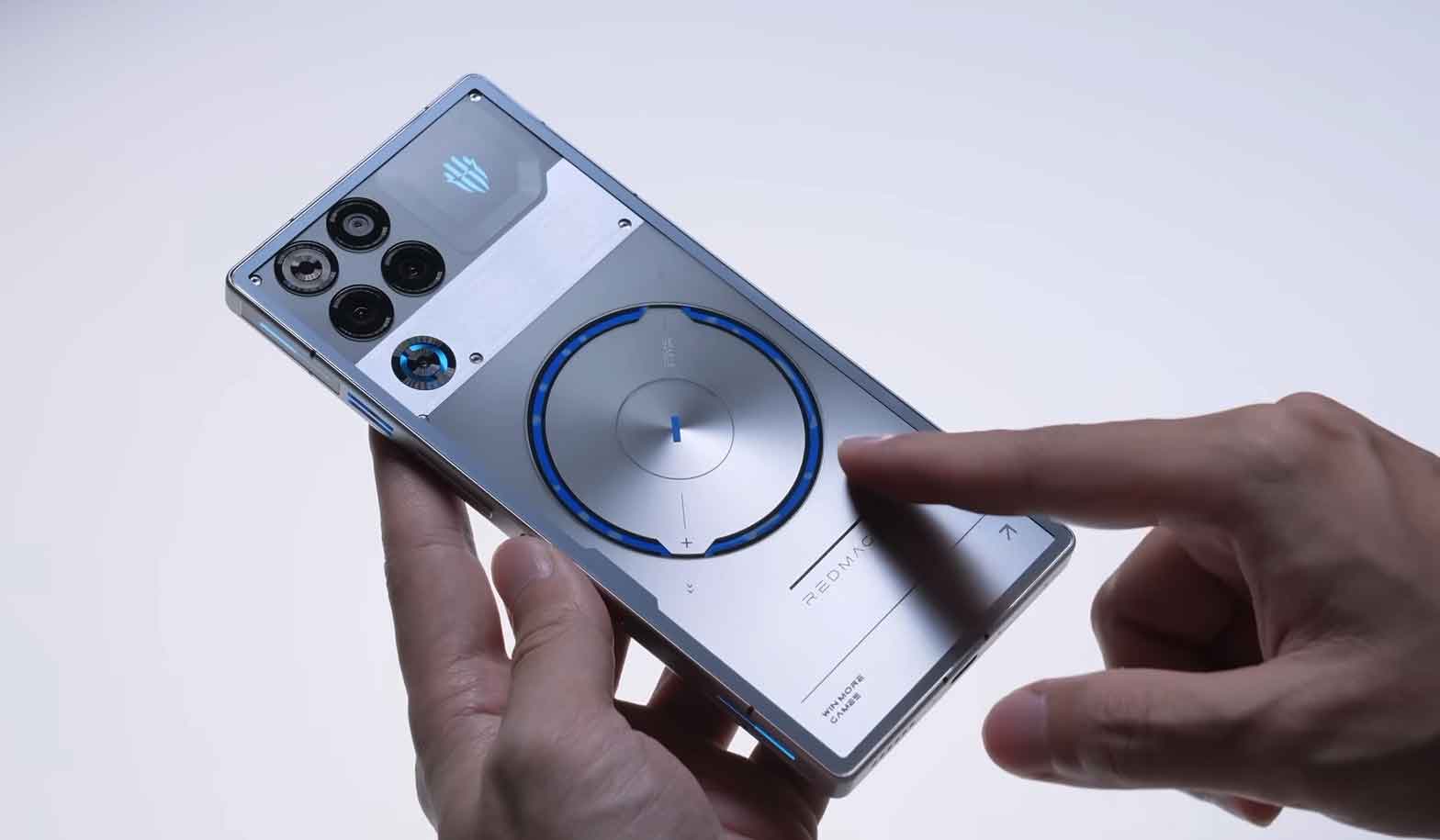
The Red Magic 11S Pro features a notchless 6.85-inch AMOLED display with a blazing 165Hz refresh rate and an under-display front camera. Driven by the overclocked Snapdragon 8 Gen 5 Legion Edition processor with 16GB of RAM, it maintains peak gaming frame rates effortlessly. The best gaming phone of 2026 includes an internal centrifugal cooling fan, physical capacitive shoulder triggers, and a 6,500mAh battery supporting 80W fast wired charging.

Ultimate Battery Monster: Realme P4 Power
For outdoor professionals and off-grid travelers, the Realme P4 Power packs a monumental 10,000mAh battery cell. While its camera setup and mono audio are purely basic, it delivers almost a full week of moderate usage on a single charge.

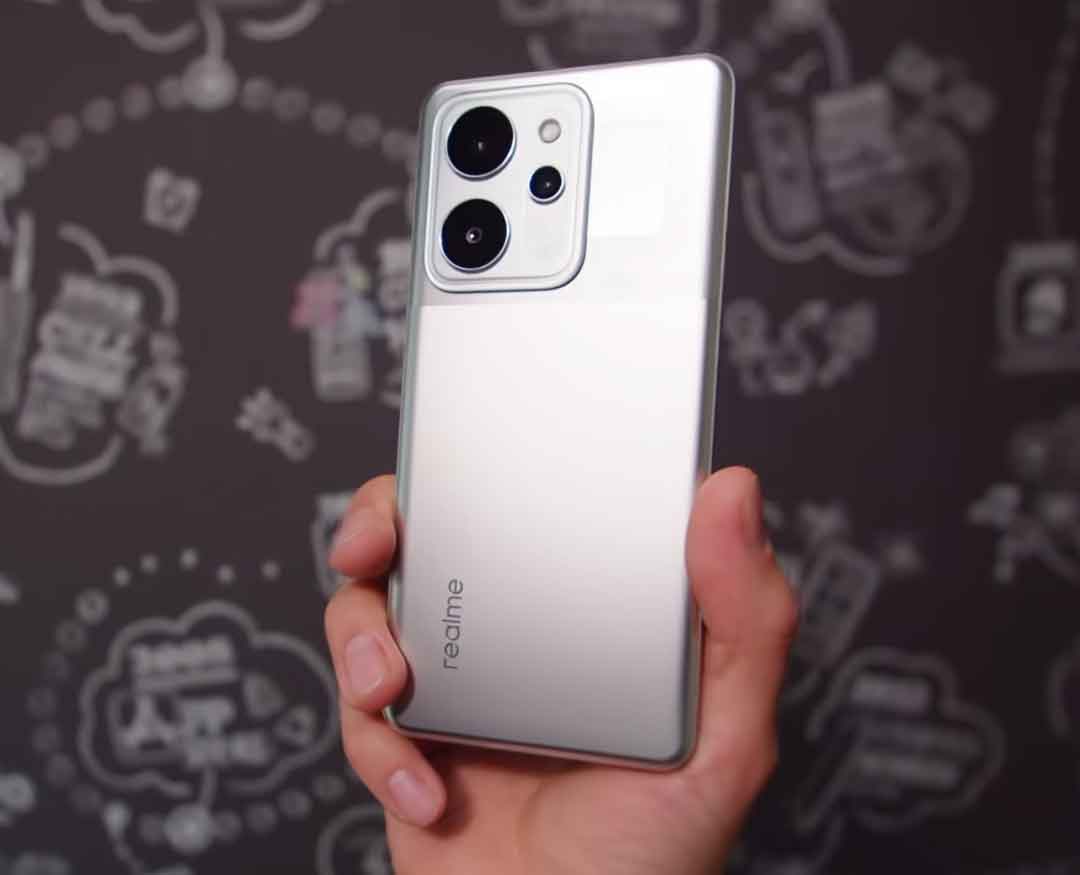

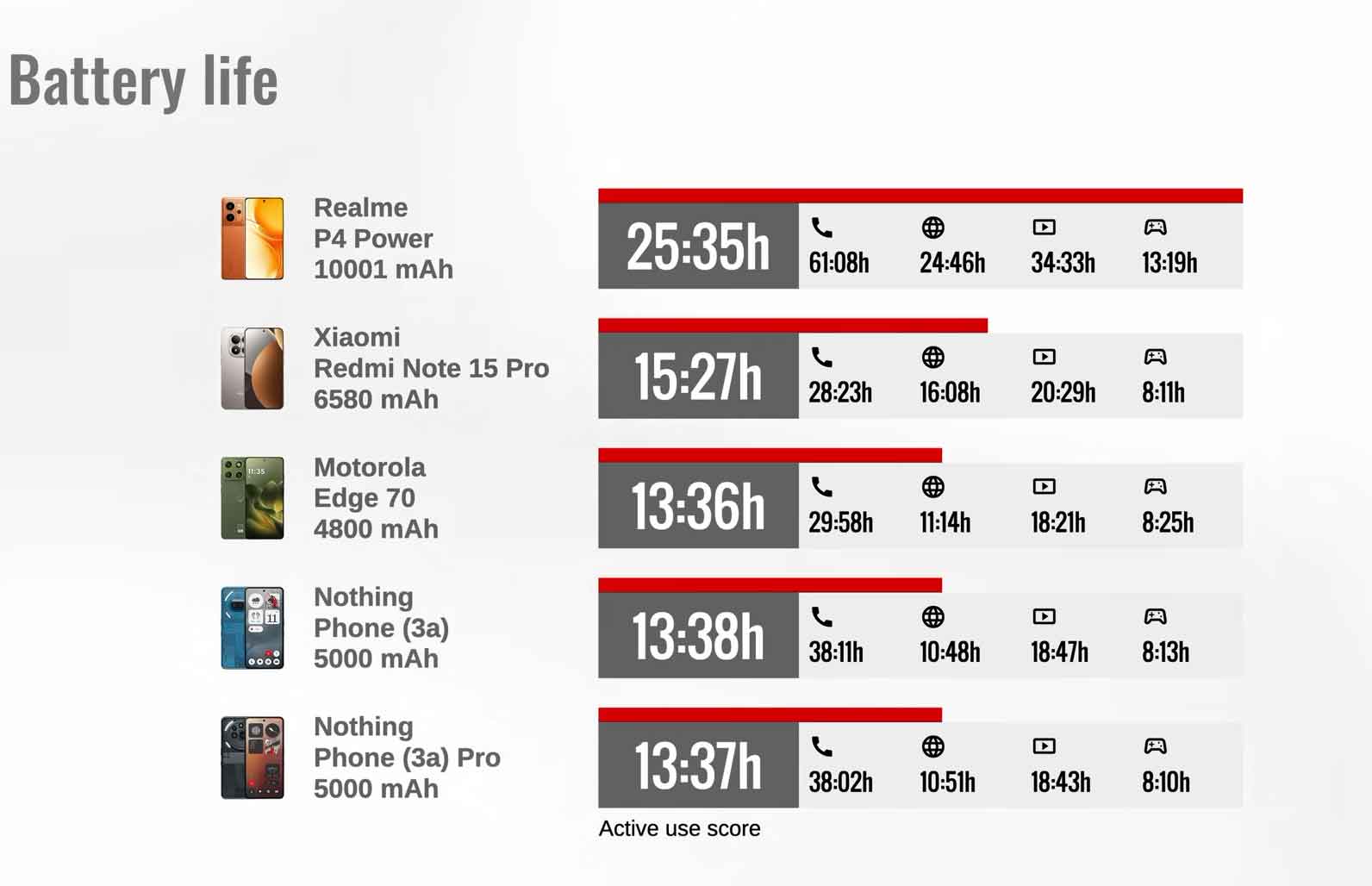
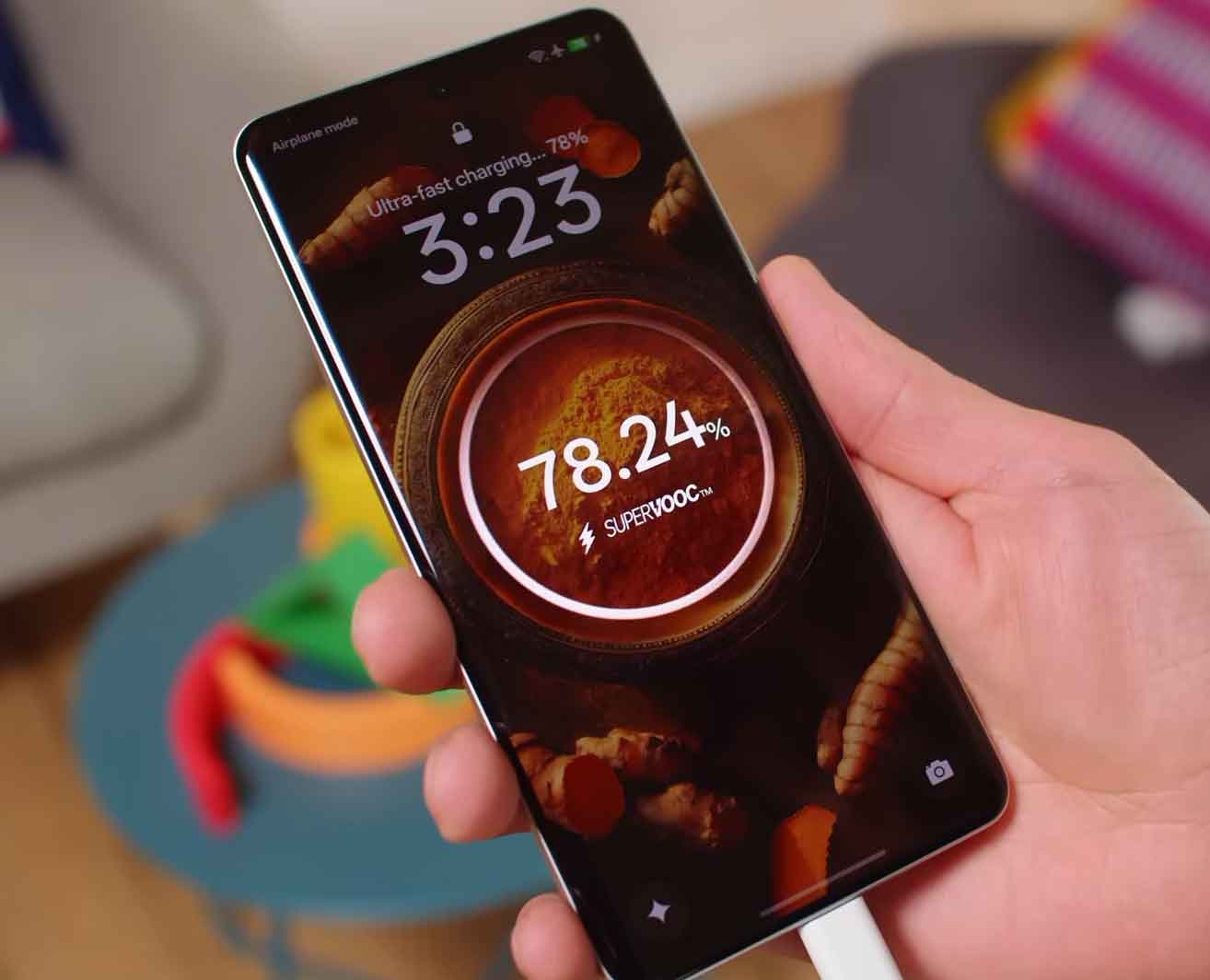
The Realme P4 Power features a 6.7-inch Full HD+ AMOLED display with a responsive 120Hz refresh rate. Powered by an energy-efficient Qualcomm Snapdragon 6 Gen 3 processor with 8GB of RAM, it optimizes daily power consumption. Furthermore, the endurance champion packs a monumental 10,000mAh battery supporting 45W fast charging alongside a dependable 50MP main rear camera.

The Worst Value of 2026: Apple iPhone 17e (Avoid)
At £600 / $599, the iPhone 17e offers shockingly poor value. While it carries a modern processor, it is saddled with an outdated 60Hz display, thick screen bezels, and a barebones single camera. Budget Android devices costing half as much deliver superior 120Hz OLED panels and far more versatile camera system.

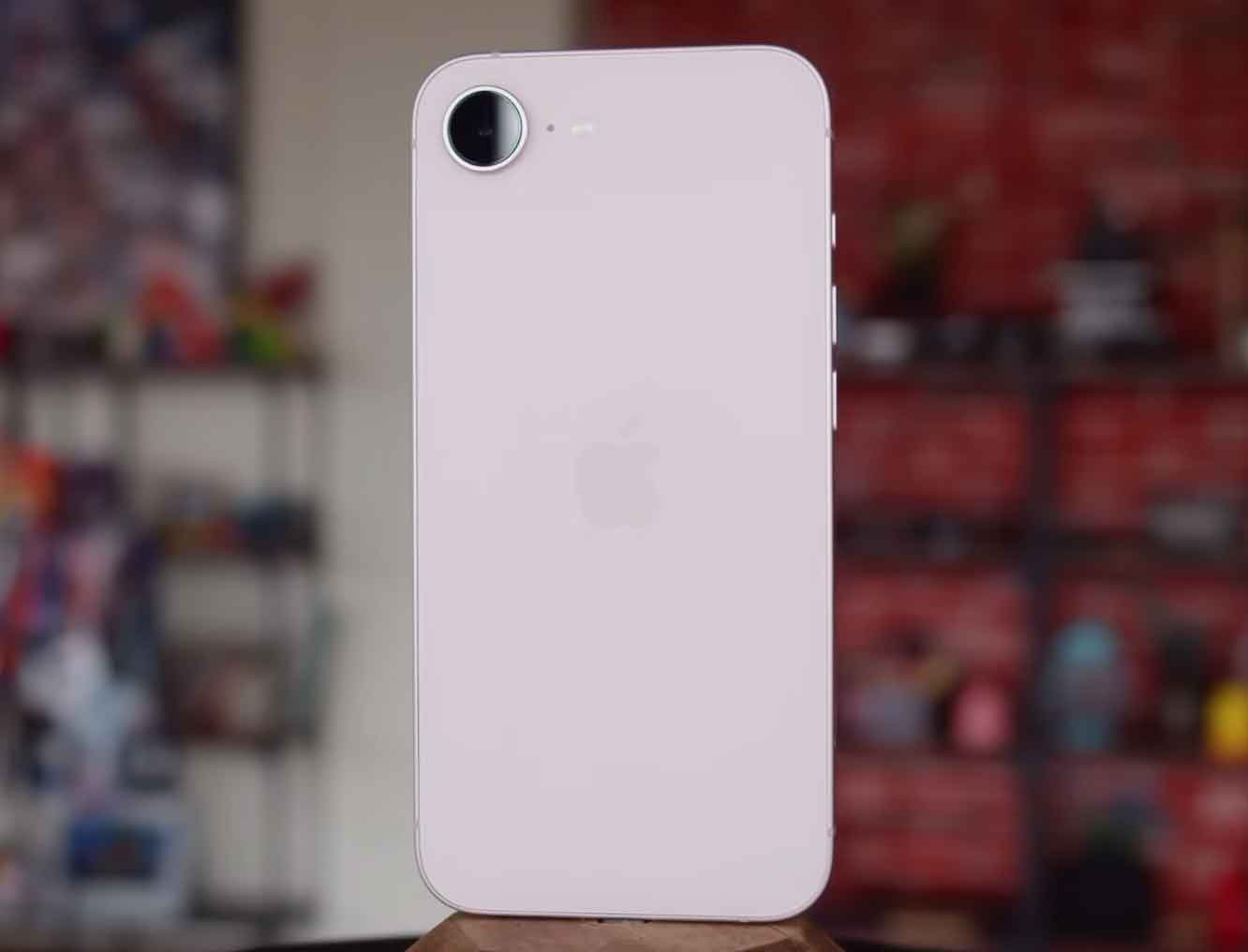
The Apple iPhone 17e features a 6.1-inch Super Retina OLED display with a standard 60Hz refresh rate. Powered by the Apple A19 processor with 6GB of RAM, it handles everyday iOS applications and casual multitasking smoothly. Additionally, the entry-level device includes a single 48MP main rear camera, a 3,600mAh battery supporting 20W wired charging, and full MagSafe wireless charging compatibility.

Best Smartphones 2026 Price and Specs Comparison
To help you evaluate hardware capabilities directly, review the comprehensive best smartphones 2026 price and specs sheet detailed in the table below.
| Phone Model | Category | Display & Refresh Rate | Processor | Camera Configuration | Battery & Charging | Software Support |
|---|---|---|---|---|---|---|
| Samsung Galaxy S26 Ultra | Flagship | 6.8″ Dynamic AMOLED 2X, 120Hz | Snapdragon 8 Gen 5 | 200MP + 50MP 5x + 10MP 3x + 12MP UW | 5,000mAh (60W Wired, Qi2) | 7 Years OS & Security |
| Apple iPhone 17 Pro Max | iOS Flagship | 6.9″ Super Retina XDR, 120Hz ProMotion | Apple A20 Pro | 48MP Fusion + 48MP 5x Tele + 48MP UW | 4,850mAh (30W Wired, MagSafe/Qi2) | 6+ Years iOS Updates |
| Oppo Find X9 Ultra | Flagship Camera | 6.82″ 2K OLED, 120Hz LTPO | Snapdragon 8 Gen 5 | 50MP 1-inch + Dual Periscope (3x/10x) | 5,500mAh (100W Wired, 50W Wireless) | 5 Years OS & Security |
| Samsung Galaxy Z Fold 8 | Foldable King | Passport Cover + 7.6″ Inner 120Hz | Snapdragon 8 Gen 5 | 50MP Main + 10MP 3x + 12MP UW | 4,600mAh (45W Wired, 15W Wireless) | 7 Years OS & Security |
| Samsung Galaxy S25 FE | Best Overall Value | 6.7″ Dynamic AMOLED, 120Hz | Exynos 2400 / SD 8 Gen 3 | 50MP Main + 8MP 3x + 12MP UW | 4,900mAh (45W Wired, 15W Wireless) | 7 Years OS & Security |
| Poco X8 Pro Max | Battery Champion | 6.8″ 1.5K AMOLED, 144Hz | Dimensity 9500S | 50MP OIS Main + 8MP Ultra-Wide | 8,500mAh (90W Fast Charging) | 4 Years OS, 5 Years Security |
| Nothing Phone (4a) Pro | Design Standout | 6.7″ OLED, 120Hz, Glyph Matrix | Snapdragon 7s Gen 4 | 50MP Main + 50MP Tele + 8MP UW | 5,400mAh (65W Wired) | 4 Years OS, 6 Years Security |
| Google Pixel 10a | Compact Camera | 6.3″ Actua OLED, 120Hz | Google Tensor G4 | 48MP Main (OIS) + 13MP UW | 4,700mAh (45W Wired, Qi Wireless) | 7 Years Day-One Updates |
| Xiaomi 17T Pro | Flagship Killer | 6.67″ CrystalRes AMOLED, 144Hz | Dimensity 9500 | 50MP Leica Main + 50MP 5x + 12MP UW | 7,000mAh (100W HyperCharge) | 4 OS Updates, 6 Years Security |
| Red Magic 11S Pro | Gaming Flagship | 6.85″ Notchless AMOLED, 165Hz | Snapdragon 8 Gen 5 Legion | 50MP Main + 50MP Ultra-Wide | 6,500mAh (80W Wired) | 3 Years OS & Security |
| Realme P4 Power | Endurance Titan | 6.7″ FHD+ AMOLED, 120Hz | Snapdragon 6 Gen 3 | 50MP Main + 2MP Depth | 10,000mAh (45W Fast Charging) | 3 Years Security |
Top Flagship Phones 2026 Comparison: Global Pricing Breakdown
Understanding current retail valuation prevents overspending. Below is the verified pricing breakdown across standard global retail configurations.
| Device Model | Base Storage | US Launch Price | UK & European Price | Best Target Buyer | Buy Online / Deals |
|---|---|---|---|---|---|
| Samsung Galaxy S26 Ultra | 256GB / 12GB | $1,299 | £1,249 / €1,449 | Executives, digital creators, stylus power users | Buy on AliExpress → Buy on Amazon → |
| Apple iPhone 17 Pro Max | 256GB / 8GB | $1,199 | £1,199 / €1,449 | iOS ecosystem loyalists, ProRes video creators | Buy on AliExpress → Buy on Amazon → |
| Oppo Find X9 Ultra | 256GB / 16GB | ~$1,199 (Import) | ~£1,050 / €1,200 | Mobile photographers, optical zoom enthusiasts | Buy on AliExpress → Buy on Amazon → |
| Samsung Galaxy Z Fold 8 | 256GB / 12GB | $1,799 | £1,699 / €1,899 | Multitaskers, premium foldable enthusiasts | Buy on AliExpress → Buy on Amazon → |
| Samsung Galaxy S25 FE | 256GB / 8GB | $579 (Discounted) | £529 / €599 | Everyday consumers seeking reliability and long support | Buy on AliExpress → Buy on Amazon → |
| Poco X8 Pro Max | 256GB / 12GB | $399 | £349 / €389 | Heavy gamers, gig workers, battery power users | Buy on AliExpress → Buy on Amazon → |
| Nothing Phone (4a) Pro | 256GB / 12GB | $599 | £499 / €549 | Design purists, creative users, portrait shooters | Buy on AliExpress → Buy on Amazon → |
| Google Pixel 10a | 256GB / 8GB | $499 | £449 / €499 | Point-and-shoot fans, compact phone lovers | Buy on AliExpress → Buy on Amazon → |
| Xiaomi 17T Pro | 512GB / 12GB | $799 | £699 / €799 | Cinematic video creators wanting sub-$1,000 speed | Buy on AliExpress → Buy on Amazon → |
| Red Magic 11S Pro | 256GB / 16GB | $699 | £629 / €699 | Competitive mobile gamers, esports streamers | Buy on AliExpress → Buy on Amazon → |
| Realme P4 Power | 128GB / 8GB | $289 | £249 / €279 | Outdoor workers, frequent travelers, battery seekers | Buy on AliExpress → Buy on Amazon → |

Final Verdict: Which 2026 Smartphone Should You Buy?
To conclude our best phones of 2026 review, selecting the ideal smartphone comes down to matching your budget with your daily workflow:
- Best Phone for Most People: Samsung Galaxy S25 FE ($400-$579) delivers an unbeatable balance of zoom optics, premium display quality, and 7 years of software security.
- Best Android Flagship: Samsung Galaxy S26 Ultra ($1,299) remains the gold standard for build polish, AI software, and outdoor screen readability.
- Best iOS Flagship: Apple iPhone 17 Pro Max ($1,199) provides industry-leading 4K ProRes video capture, powerful A20 Pro efficiency, and seamless Apple ecosystem integration.
- Best Camera Experience: Oppo Find X9 Ultra (~$1,199) stands unrivaled for natural textures and long-range optical clarity.
- Best Battery Life and Value: Poco X8 Pro Max ($399) provides three full days of battery endurance and blazing performance at a modest price.
- Best Foldable Innovation: Samsung Galaxy Z Fold 8 ($1,799) eliminates foldable bulk through its smart passport dimensions.
- The Phone to Avoid: Apple iPhone 17e ($599) offers poor value due to its outdated 60Hz display, thick bezels, and basic single camera.
References & Video Testing Sources
- Mark Ellis Reviews — The Best Phone You Can Buy Right Now
- Tech Spurt — Best Mid-Range Phones Reviewed
- PhoneArena — Which Android Phone Should You Buy?
- Tech Spurt — Best Phones of 2026 Roundup
Also Read:
Most Powerful Android Phones: Ultimate AnTuTu Benchmark Ranking (2026)
FiiO M33 R2R vs. FiiO M23: Which Audiophile DAP Wins? (2026 Review)
POCO F6 Pro vs Xiaomi 14T Pro: 6 Tested Differences & Best Buy
S24 Ultra vs iPhone 16 Pro Max: 7 Tested Differences & Winner
ROG Phone 8 Pro vs RedMagic 9 Pro: Which Gaming Phone Wins?
Colorful iGame X870E Vulcan Review: Shocking Power and Flaws
Anbernic RG406V Review: Reasons It Dominates PS2 Emulation
Steam Deck OLED vs ROG Ally X: 7 Tested Differences & Best Pick