



If you are looking for top-tier hardware without spending four figures on a flagship, the POCO F6 Pro vs Xiaomi 14T Pro is the most contested flagship killer comparison on the market. Both phones come from Xiaomi’s stable, featuring ultra-fast 120W charging and premium AMOLED displays.

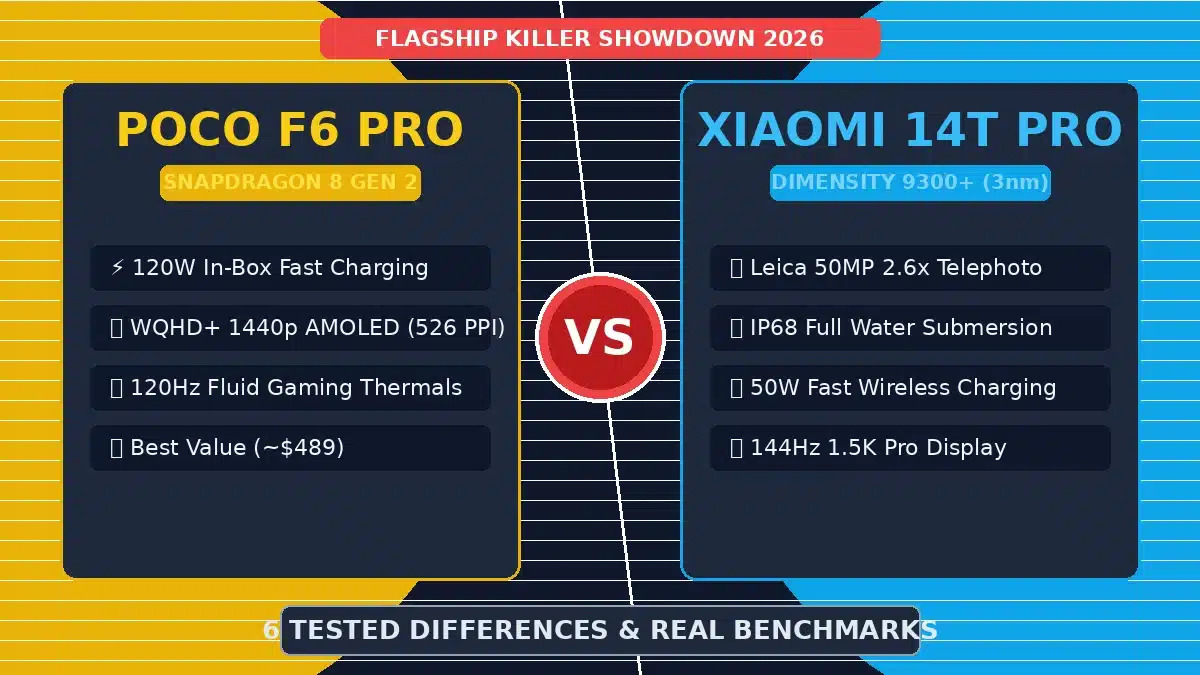
However, hands-on testing reveals critical distinctions. The POCO focuses heavily on raw gaming value and display resolution, while the Xiaomi 14T Pro brings Leica-branded telephoto photography, full IP68 water protection, and wireless charging. In this detailed comparison, we analyze benchmark scores, thermal stability, camera samples, and lab battery tests to find the best pick for your budget.

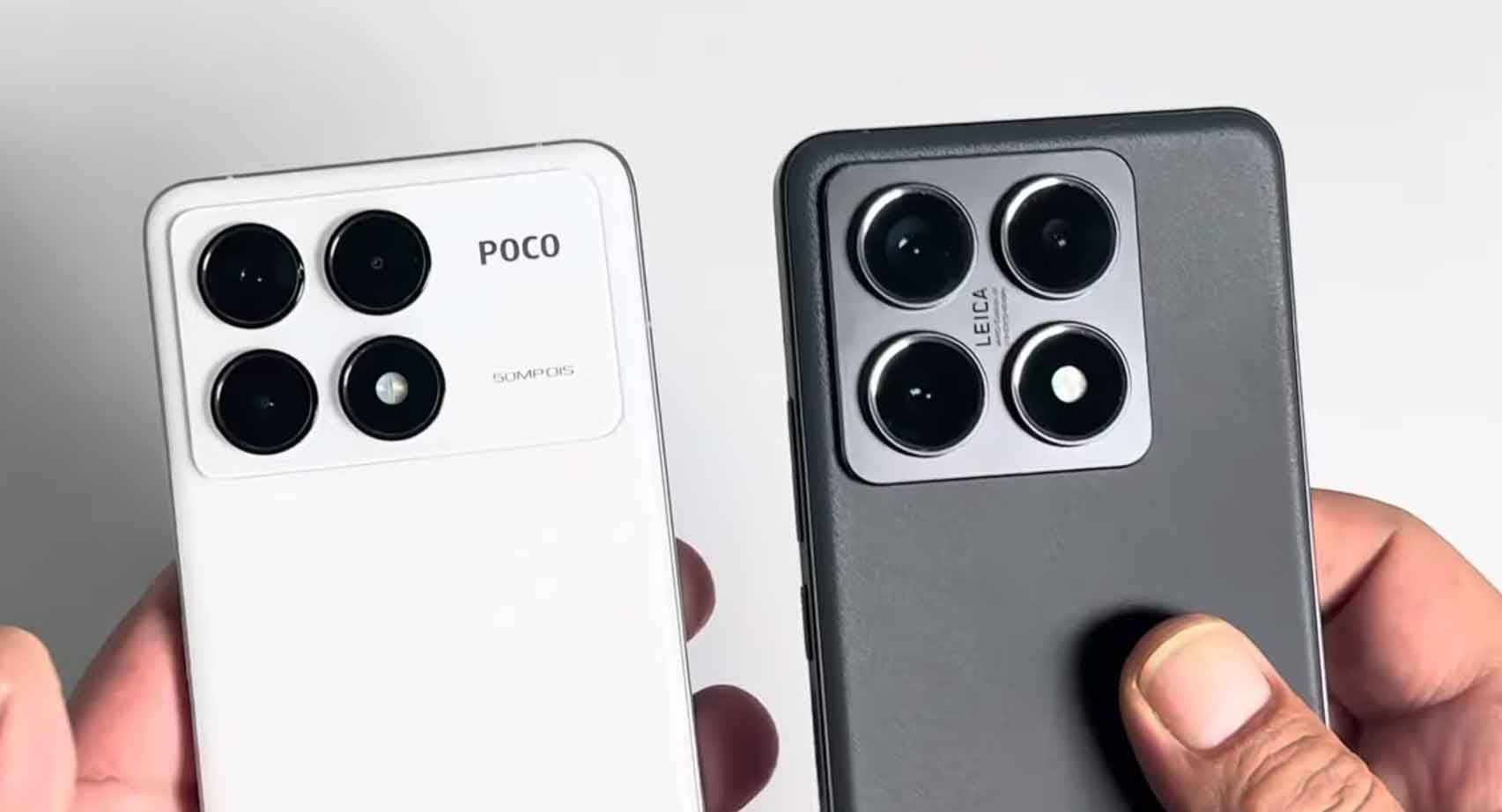
Quick Comparison: POCO F6 Pro vs Xiaomi 14T Pro
| Tested Feature / Spec | POCO F6 Pro | Xiaomi 14T Pro |
|---|---|---|
| Processor | Qualcomm Snapdragon 8 Gen 2 (4nm) | MediaTek Dimensity 9300+ (4nm) |
| Display & Resolution | 6.67″ WQHD+ (1440p / 526 PPI) AMOLED, 120Hz | 6.67″ 1.5K (1220p / 446 PPI) AMOLED, 144Hz |
| Ingress Protection | IP54 (Splash and Dust Resistant) | IP68 (Water Submersion up to 2m) |
| Rear Camera Array | 50MP Main (OIS) + 8MP Ultra-Wide + 2MP Macro | 50MP Leica Main + 50MP Telephoto (2.6x) + 12MP Ultra-Wide |
| Lab Battery Endurance | 5,000 mAh (10h 29m Active Use Score) | 5,000 mAh (12h 32m Active Use Score) |
| Tested 120W Charging | 0 to 64% in 15m; 100% in 27m (Charger in Box) | 0 to 74% in 15m; 100% in 23m (No Charger in EU Box) |
| Wireless Charging | None | 50W Fast Wireless Charging |
| Software & Support | HyperOS (3 Major OS Upgrades / 4 Yrs Security) | HyperOS (4 Major OS Upgrades / 5 Yrs Security) |
| Average Price | ~$480 – $550 | ~$680 – $780 |
| Where to Buy | Check Amazon | View AliExpress |
Check Amazon | View AliExpress1 |
Best Value Gaming
POCO F6 Pro
Snapdragon 8 Gen 2 | 120W Charging
Top Camera & IP68
Xiaomi 14T Pro
Dimensity 9300+ | Leica 50MP Telephoto
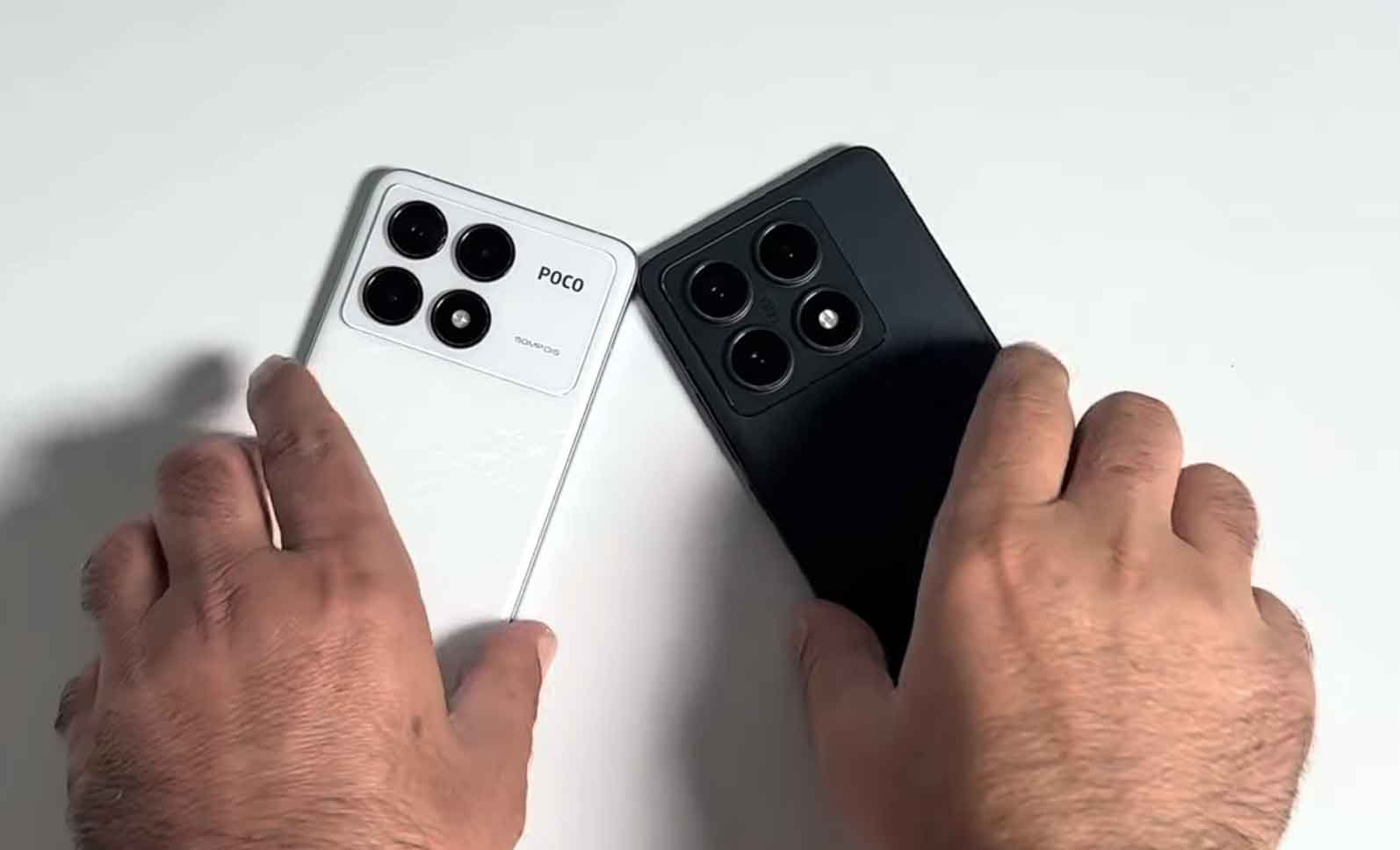
1. Build Quality and Water Resistance: IP54 vs IP68
Both devices sport matte aluminum frames and glass rear panels that resist fingerprint smudges, but their environmental protection differs substantially:
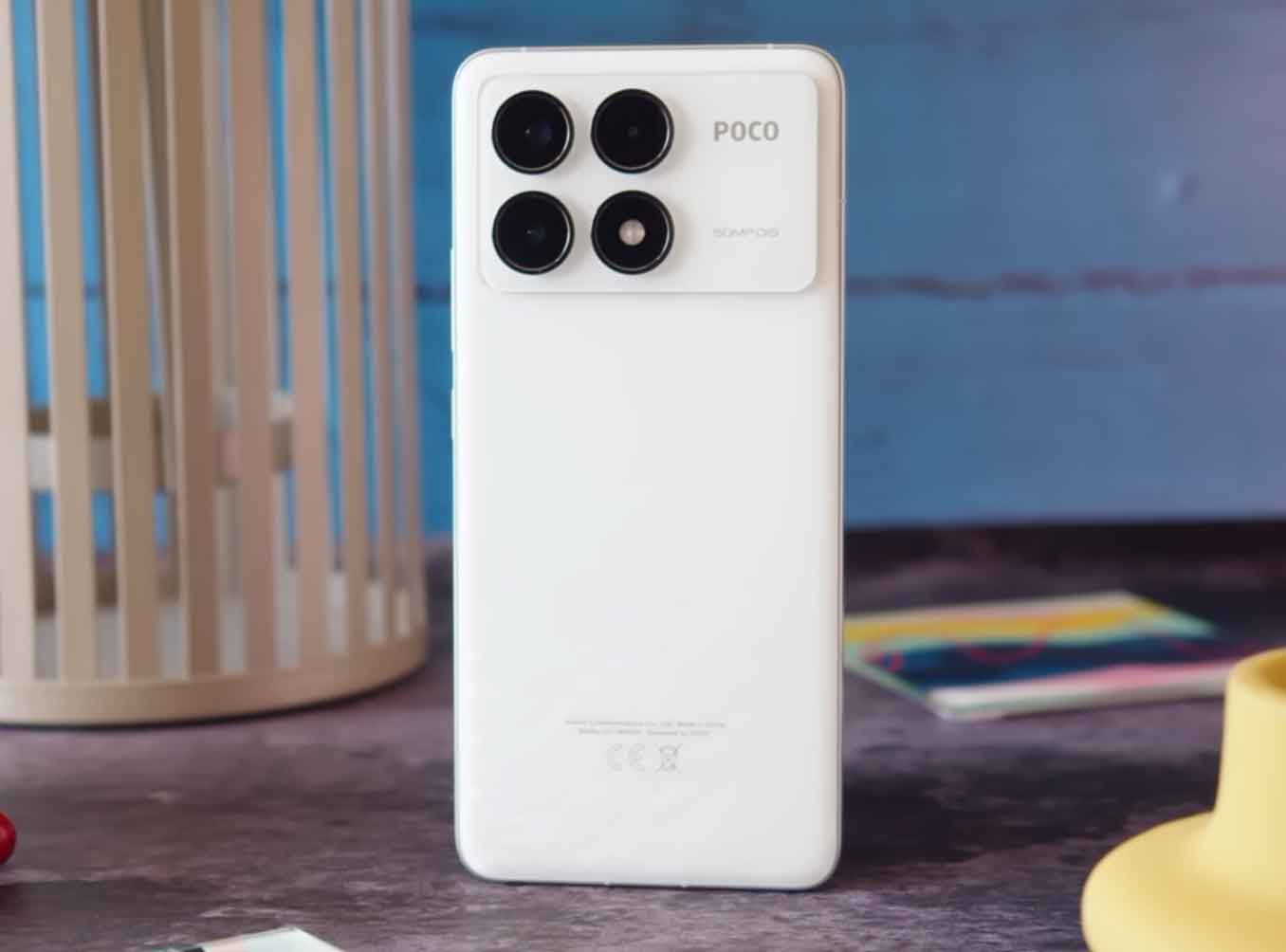
- POCO F6 Pro: Features a stylish marble-texture glass back and curved edges. However, it carries an IP54 rating, which only protects against light rain and dust splashes.
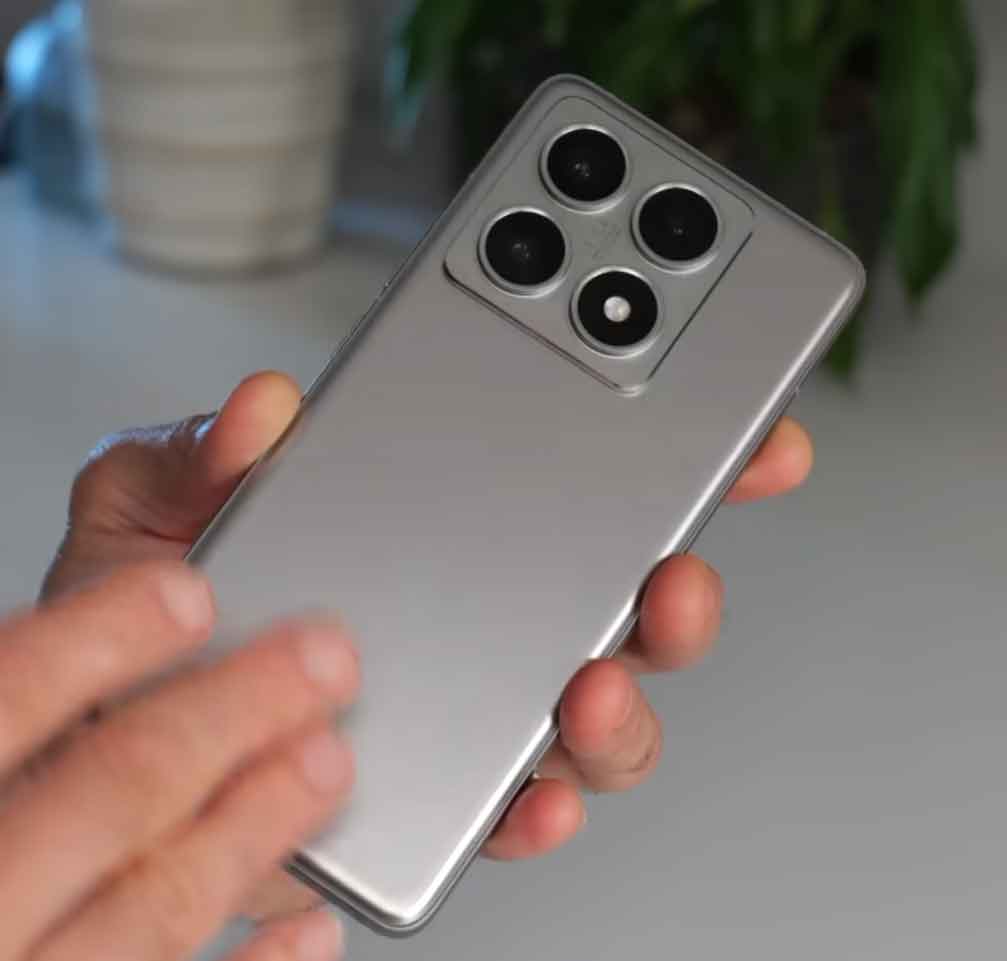
- Xiaomi 14T Pro: Employs a cohesive metallic finish across the chassis and camera island. More importantly, it provides a certified IP68 rating, allowing the phone to survive complete freshwater submersion up to 2 meters.


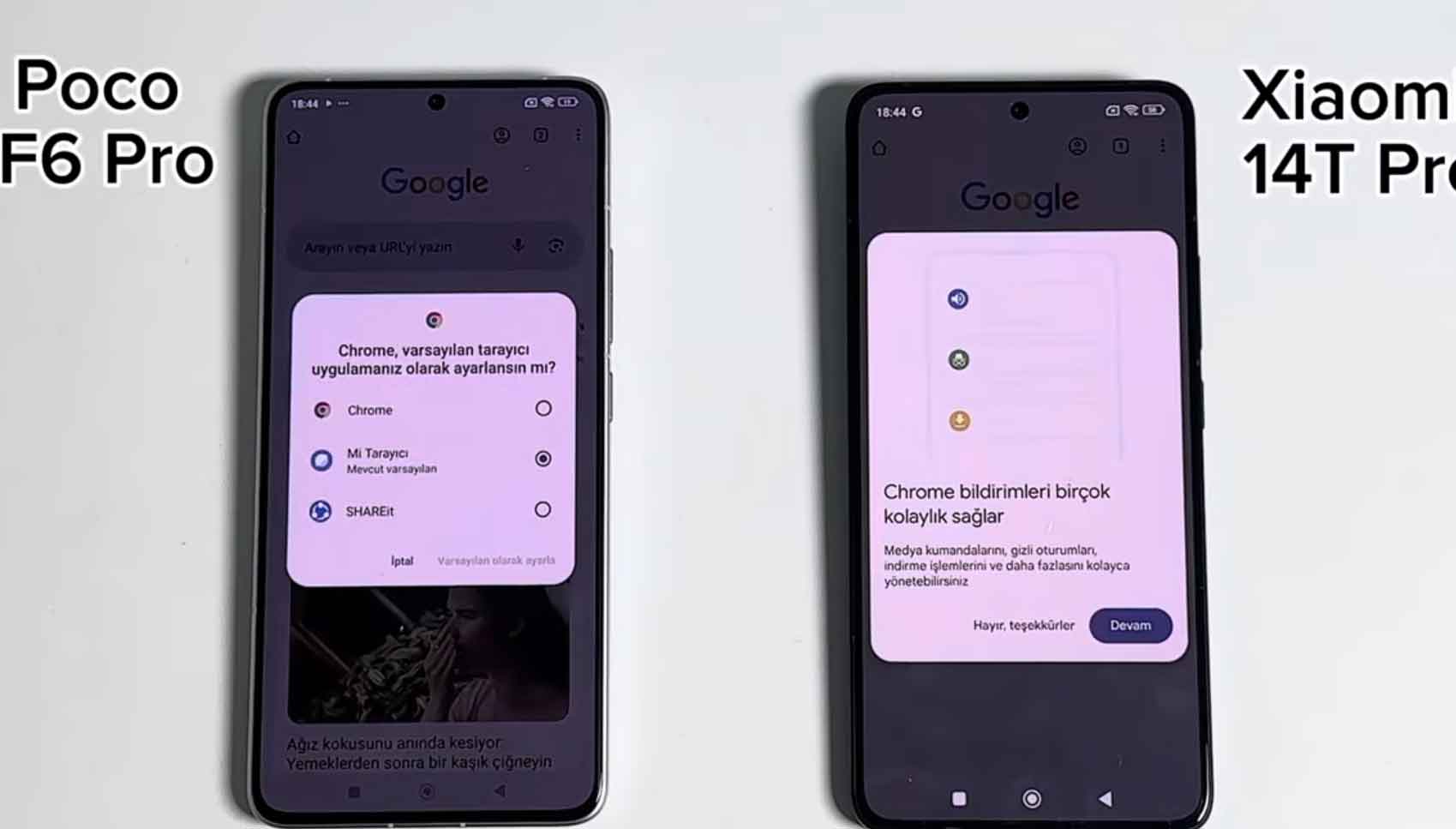
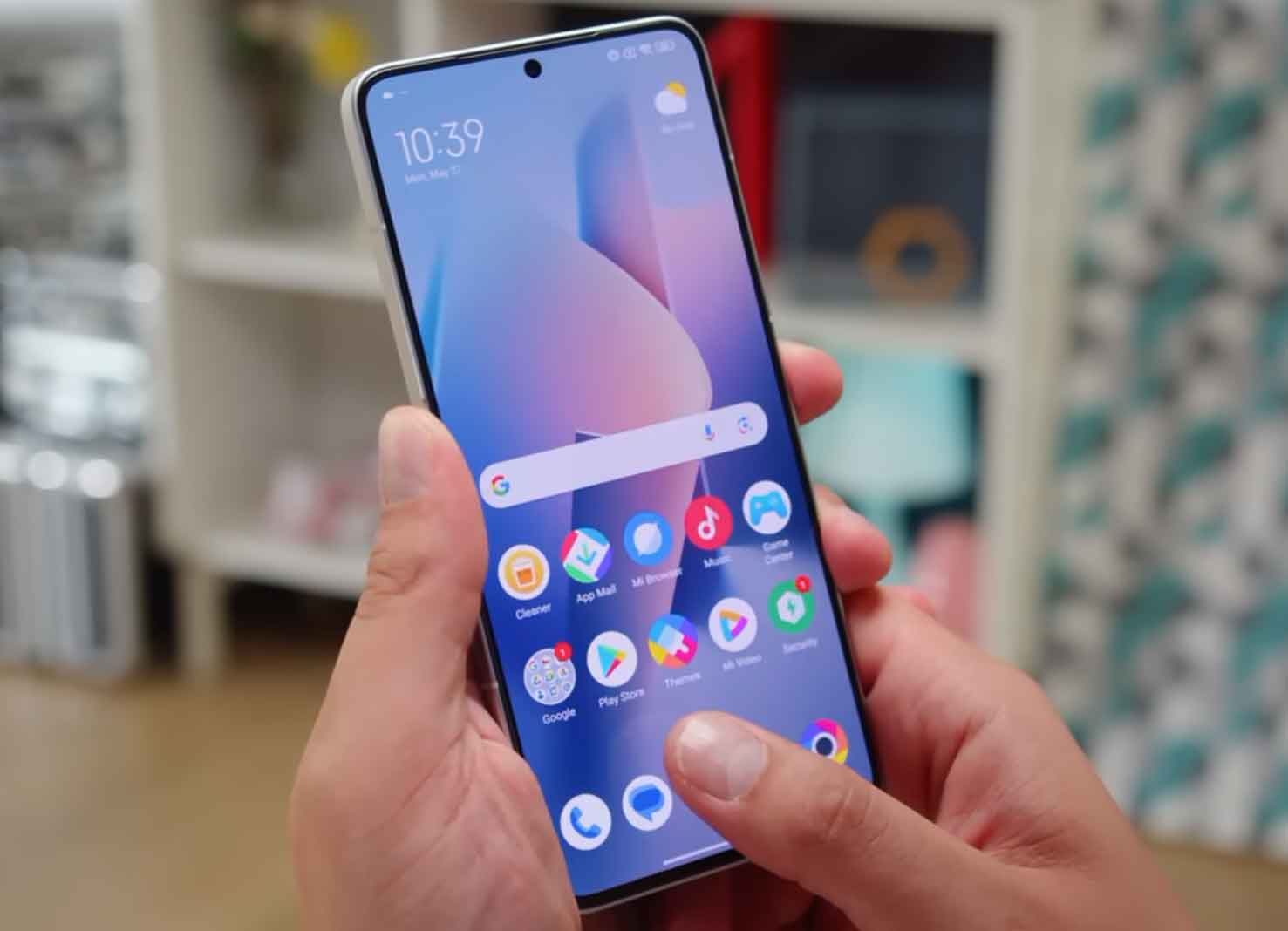
2. Display Comparison: 1440p Sharpness vs 144Hz Smoothness
While both handsets utilize 6.67-inch AMOLED panels with 12-bit color depth, Dolby Vision, and HDR10+ support, each has a specific visual advantage:
- POCO F6 Pro (WQHD+ Clarity): Boasts a sharper 1440 x 3200 resolution with a dense 526 PPI. Text and fine UI elements look crisp, and auto-brightness peaks at 1,200 nits in bright sunlight.
- Xiaomi 14T Pro (144Hz Fluidity): Delivers a 1220 x 2712 (1.5K) resolution with a higher 144Hz refresh rate for supported gaming titles. In lab testing, its sunlight mode pushes manual brightness past 750 nits with an auto-boost exceeding 1,200 nits.


3. Performance: Dimensity vs Snapdragon
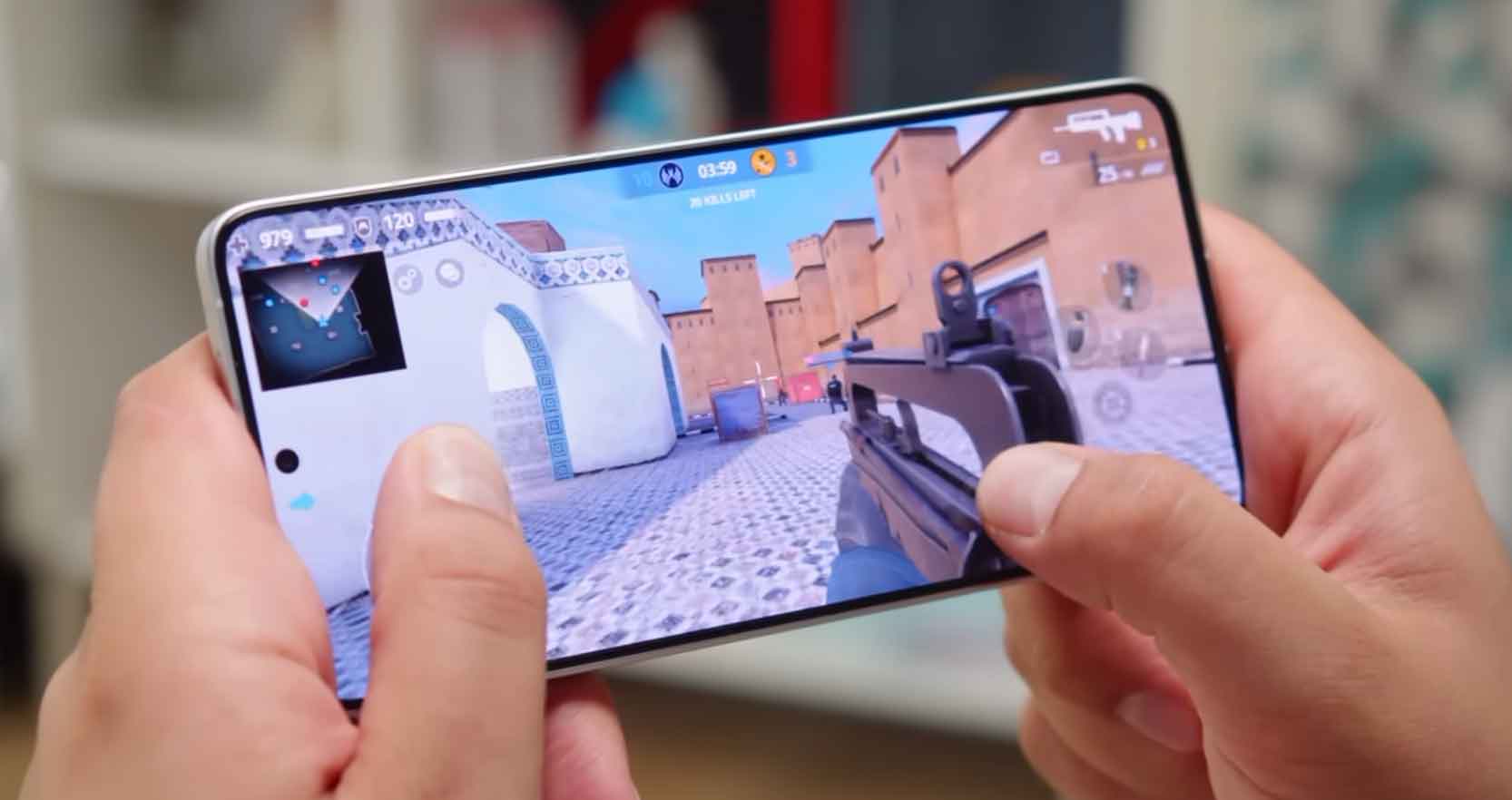
When comparing Dimensity 9300 plus vs Snapdragon 8 Gen 2, the two chipsets exhibit different strengths during everyday use versus prolonged stress testing:
- Peak Raw Power (Xiaomi 14T Pro): The MediaTek Dimensity 9300+ features an all-big-core CPU architecture that leads synthetic benchmarks across both single-core and multi-core workloads. However, prolonged stress testing reveals noticeable thermal throttling under sustained heavy loads.
- Sustained Stability (POCO F6 Pro): While the Snapdragon 8 Gen 2 is a generation older, it remains a potent budget gaming phone processor. Its thermal management is stable, showing consistent frame rates without sudden thermal dips during marathon gaming sessions.



4. Camera Shootout: Leica Optical Zoom vs Standard Sensors
Camera versatility is the single biggest separator between these two devices:
- Xiaomi 14T Pro (Leica System): Features a custom Light Fusion 900 50MP sensor alongside a dedicated 50MP 2.6x optical telephoto lens (60mm). It captures sharp portraits with natural background compression. The Leica Authentic and Leica Vibrant color profiles add rich contrast and professional tone curves.
- POCO F6 Pro (Main Sensor Focus): Equipped with a reliable 50MP Light Hunter 800 main camera that captures detailed daylight photos and clean night shots. However, it lacks a telephoto lens, relying on 2x digital crops, and replaces it with a low-resolution 2MP macro sensor.
Camera Takeaway: If you frequently photograph portraits, concerts, or street scenes, the Xiaomi 14T Pro’s Leica optics and dedicated telephoto lens provide a noticeable upgrade over the POCO.

5. Battery Life & 120W Fast Charging Test
Both models feature 5,000 mAh batteries and fast charging, but lab results highlight distinct efficiency metrics:
- Endurance Score: In GSMArena lab testing, the Xiaomi 14T Pro achieved an active use score of 12 hours and 32 minutes, noticeably outpacing the POCO F6 Pro’s 10 hours and 29 minutes (which draws more power during gaming and browsing).
- 120W Fast Charging Test: Both phones recharge in under 30 minutes. The POCO F6 Pro reaches 64% in 15 minutes and 100% in 27 minutes. The Xiaomi 14T Pro reaches 74% in 15 minutes and 100% in 23 minutes. Note: POCO includes the 120W brick in the retail box, whereas Xiaomi has started omitting the charger in certain regions.
Hands-On Video Reviews & Testing References
Watch the full in-depth video reviews and lab tests from GSMArena below for detailed camera samples and thermal charts:


Pros and Cons Breakdown
POCO F6 Pro
- Pros:
- Significantly lower price point (~$200 cheaper).
- Ultra-sharp 1440p (WQHD+) AMOLED screen (526 PPI).
- Stable thermal performance with Snapdragon 8 Gen 2.
- 120W fast charger included in the retail box.
- Cons:
- Only IP54 splash resistance (no water submersion protection).
- No optical telephoto zoom lens; basic 2MP macro sensor.
- No wireless charging support.
Xiaomi 14T Pro
- Pros:
- Official IP68 dust and water resistance rating.
- Leica co-engineered camera system with dedicated 50MP 2.6x optical telephoto.
- Longer battery life (12h 32m active use score).
- Supports 50W fast wireless charging.
- Longer software support (4 OS upgrades / 5 years security).
- Cons:
- Higher starting price tag (~$700+).
- Dimensity 9300+ shows thermal throttling in prolonged benchmarks.
- 120W charging brick may be sold separately depending on region.
Final Verdict: Which Phone Wins the POCO F6 Pro vs Xiaomi 14T Pro Battle?
Deciding between the POCO F6 Pro vs Xiaomi 14T Pro depends entirely on your feature priorities:
- Buy the POCO F6 Pro if your primary goal is maximum gaming performance and display sharpness per dollar. With a 1440p screen, stable Snapdragon 8 Gen 2 thermals, and an in-box 120W charger at roughly $500, it is an unbeatable performance bargain.
- Buy the Xiaomi 14T Pro if you want a complete, uncompromising flagship experience. With IP68 waterproofing, 50W wireless charging, longer battery life, and Leica telephoto cameras, it justifies the price premium for photography enthusiasts.
Ready to Order? Check Today’s Deals:
Prices and discounts fluctuate frequently on AliExpress and Amazon. Click below to view current stock and coupons:
Frequently Asked Questions (FAQ)
Is the POCO F6 Pro waterproof?
No. The POCO F6 Pro has an IP54 rating, meaning it can withstand light water splashes and dust, but it cannot be submerged in water. In contrast, the Xiaomi 14T Pro features full IP68 water submersion protection.
Does the POCO F6 Pro come with a charger in the box?
Yes. The POCO F6 Pro includes the full 120W HyperCharge power adapter and cable in the box. The Xiaomi 14T Pro omits the charging brick in several global markets.
Which phone takes better portrait photos?
The Xiaomi 14T Pro is significantly better for portraits due to its dedicated 50MP 2.6x optical telephoto lens and Leica optical color tuning, whereas the POCO relies on digital sensor crops.