


In this in-depth Lenovo P16v 2026 review, we test a powerful Lenovo workstation laptop built for demanding professional workflows. Engineers and researchers often handle sensitive schematics, proprietary code, and complex simulations. However, relying on cloud-based AI tools exposes your data to serious privacy risks.
Fortunately, the new Lenovo P16v 2026 solves this issue with secure, desktop-grade offline computing. Packed with top-tier Lenovo P16v specs, this dedicated ai laptop pairs Intel Arrow Lake-HX processing with NVIDIA Blackwell RTX PRO graphics to run heavy AI models completely locally.

Whether you need a dedicated Lenovo workstation laptop for mechanical simulation or a reliable laptop for Ai development, our complete Lenovo P16v 2026 review walks through real-world performance, hardware teardown details, Lenovo P16v specs, thermals, and battery endurance.

Lenovo P16v 2026 Specs and Hardware Breakdown
Before jumping into our benchmark numbers, let’s look at the key hardware specifications of the test unit evaluated in this Lenovo P16v 2026 review:
| Category | Lenovo P16v Specs (2026 Edition) |
|---|---|
| Processor (CPU) | Intel Core Ultra 7 251HX (18 Cores, 18 Threads, 180W peak / 112W sustained) |
| Graphics (GPU) | NVIDIA RTX PRO™ 1000 Blackwell (8GB GDDR6, up to 115W TGP, NVFP4 support) |
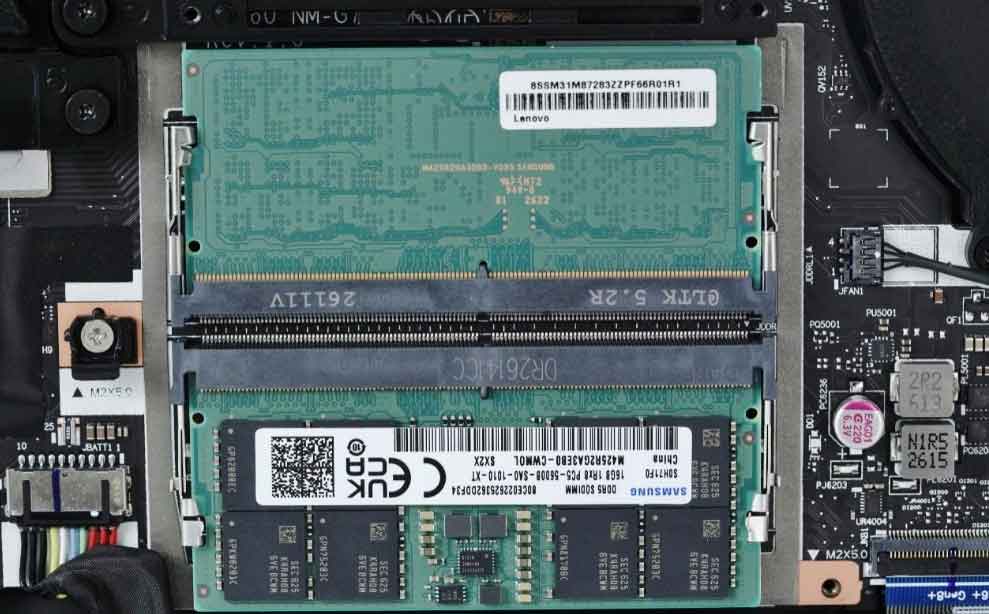
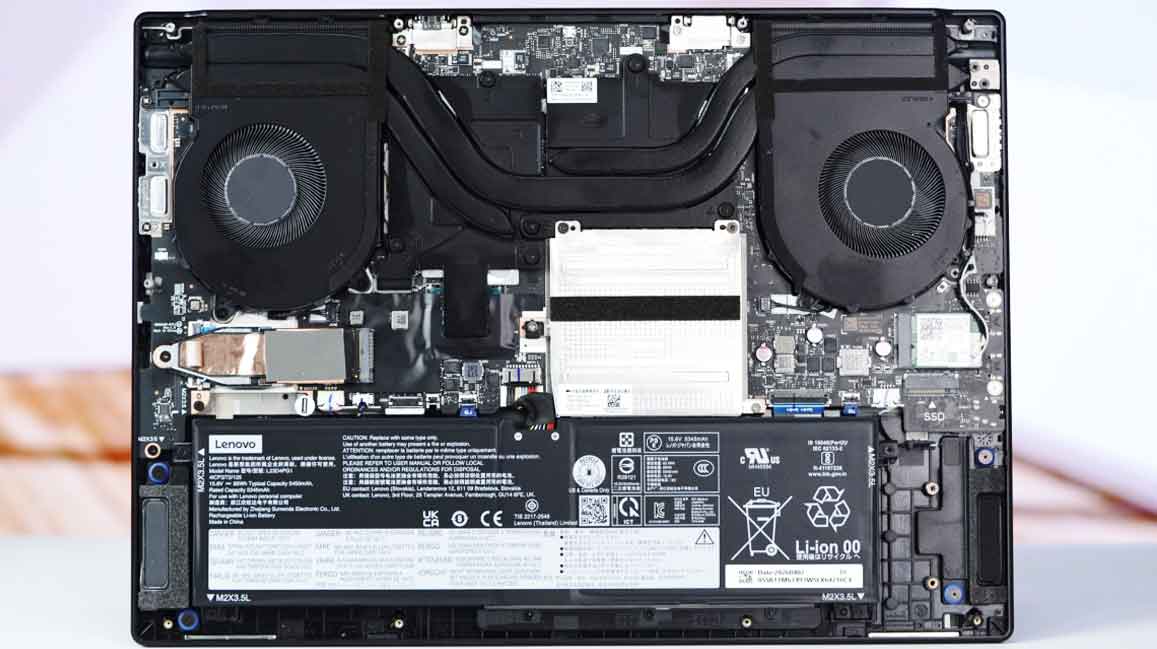
| System Memory (RAM) | 32GB Samsung DDR5-5600MHz (2x 16GB SO-DIMM slots, dual-channel upgradable) |
| Internal Storage | 1TB Samsung PM9A3 PCIe 4.0 NVMe SSD (dual M.2 2280 slots) |
| Display Screen | 16-inch 16:10 IPS, 2560×1600 (2.5K), 240Hz, 536 nits measured brightness, 98.6% DCI-P3 |
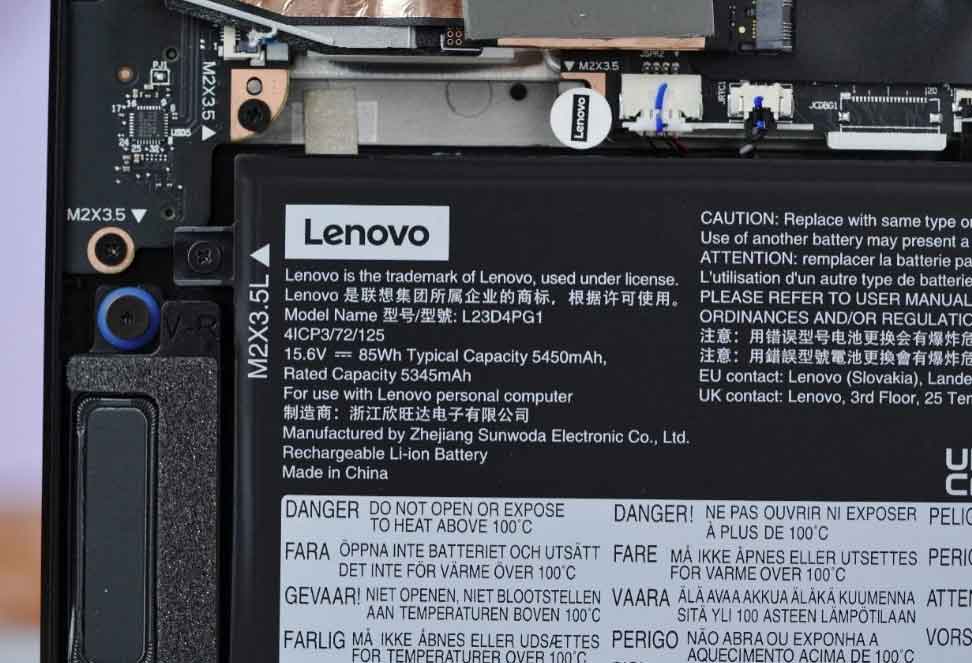
| Battery & Charger | 85Wh Lithium-Polymer battery with 300W high-output power adapter |
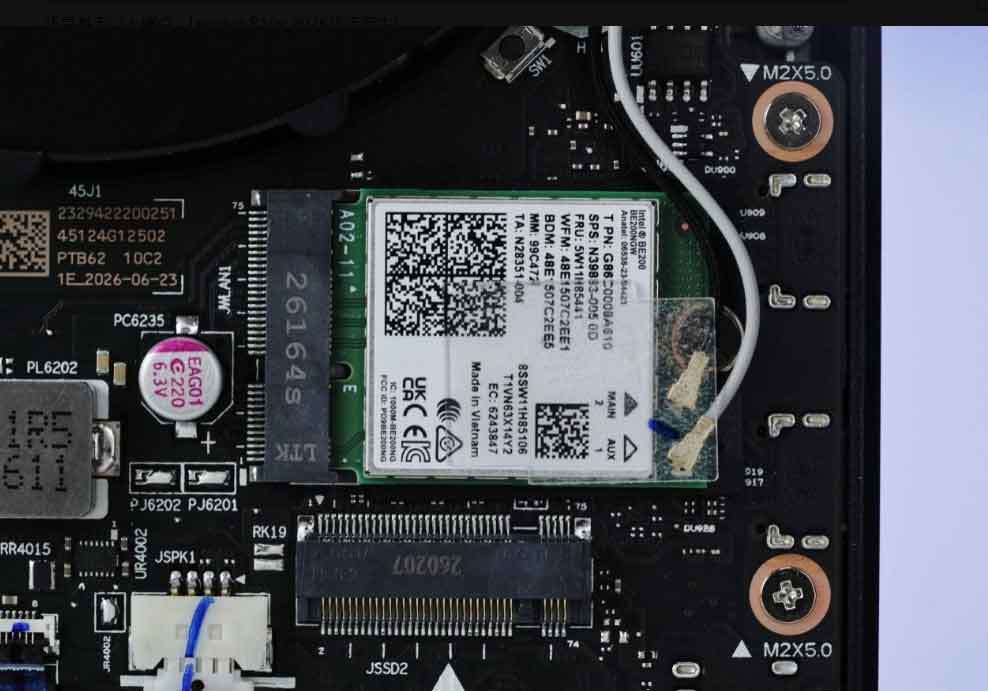
| Networking | Intel BE200 Wi-Fi 7 + Bluetooth 5.4 wireless card |
| Chassis Dimensions | 2.1 kg (4.63 lbs) weight | 24.6 mm thickness | CNC Aluminum Alloy |
For more hardware breakdowns and tech comparisons, you can explore our full collection of laptop reviews and buying guides.


Lenovo P16v 2026 Review: Design, Chassis, and Port Selection
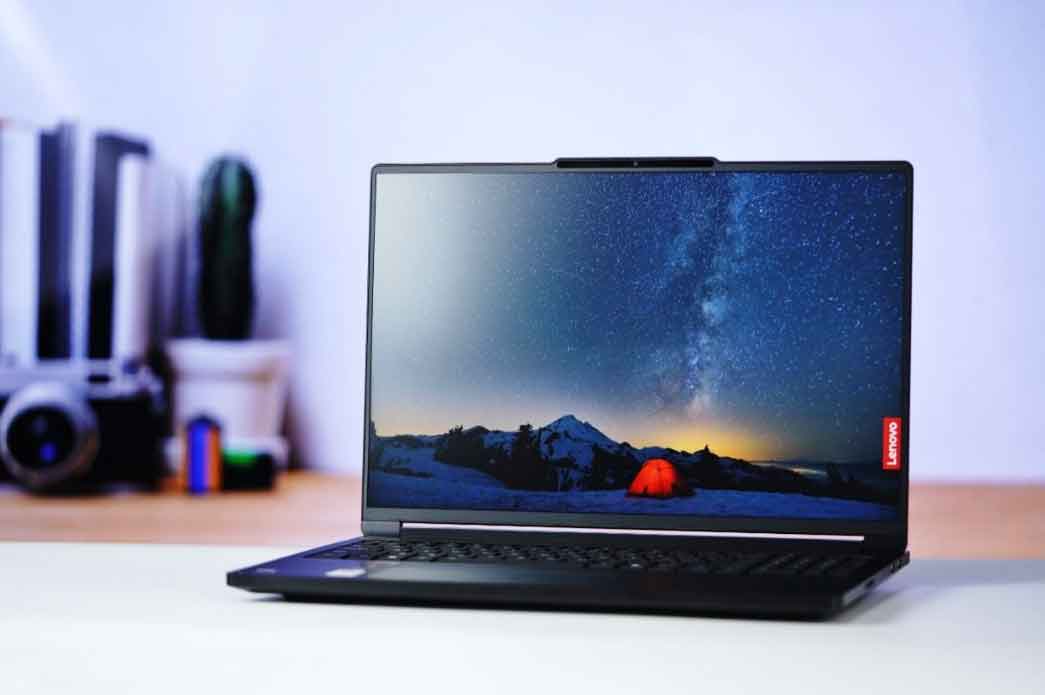
Unlike flashy consumer gaming rigs, this Lenovo workstation laptop features a minimalist, professional exterior. The top lid (A-side), keyboard deck (C-side), and lower chassis (D-side) are constructed from sturdy CNC-machined aluminum alloy. Weighing in at 2.1 kg with a 24.6 mm profile, it balances workstation power with field portability.

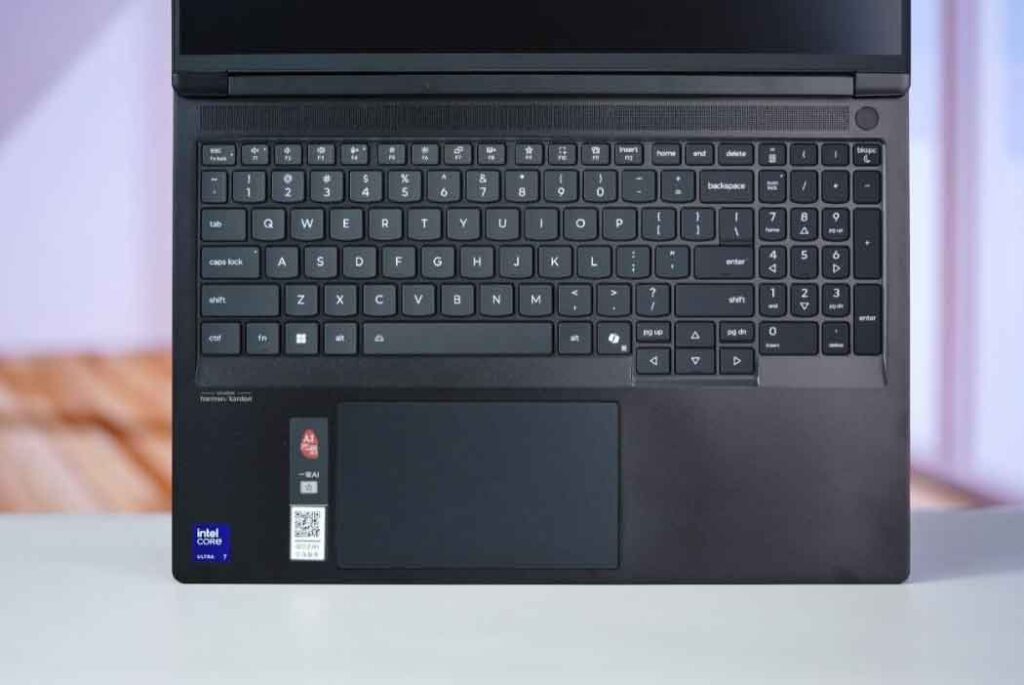
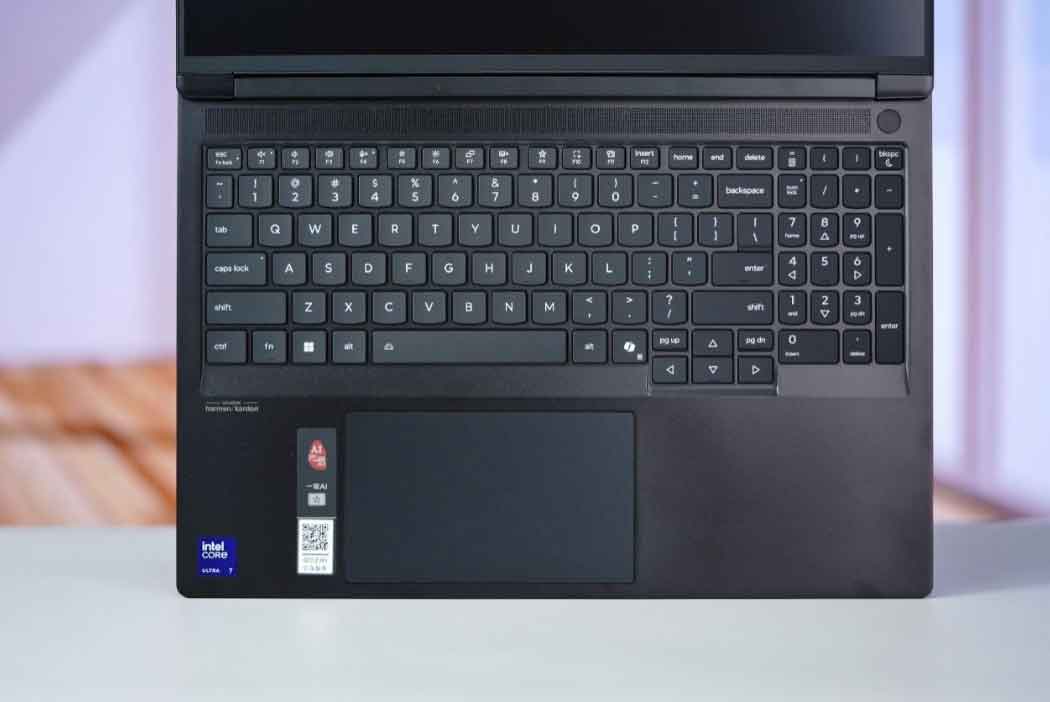
The keyboard maintains ThinkPad-style ergonomics with a 1.6mm key travel, subtle finger-contour keycaps, and a dedicated numeric keypad for fast numerical input and spreadsheet management. The hinge opens flat up to a full 180 degrees.

Comprehensive I/O Connectivity:
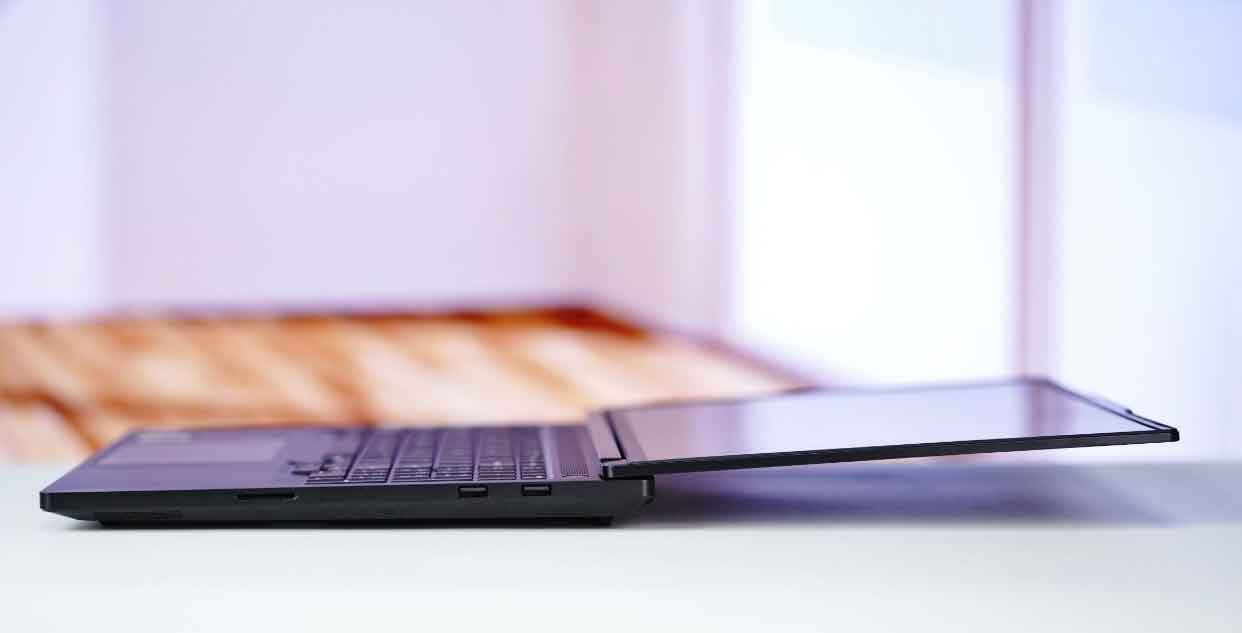
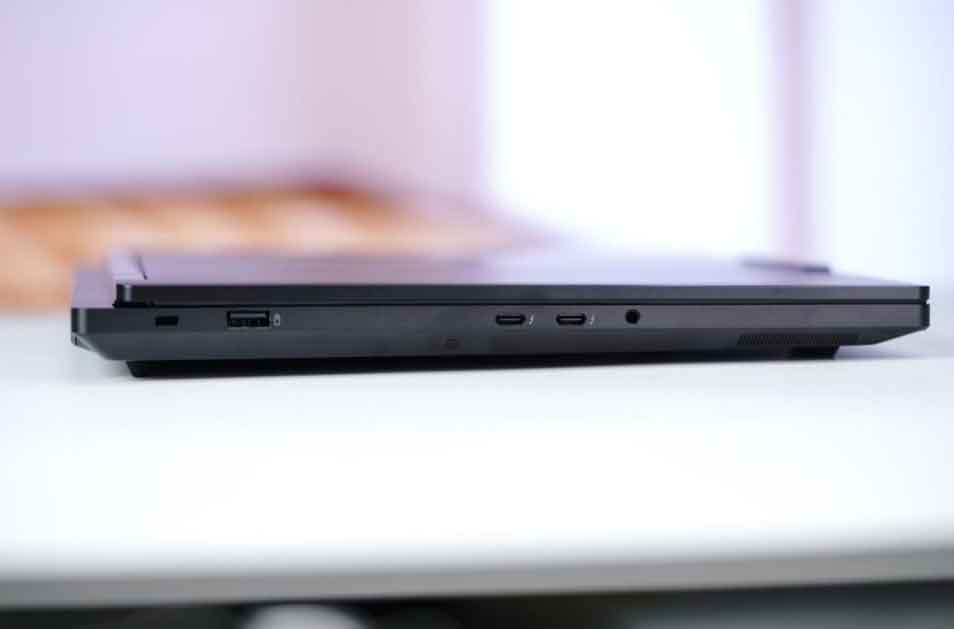
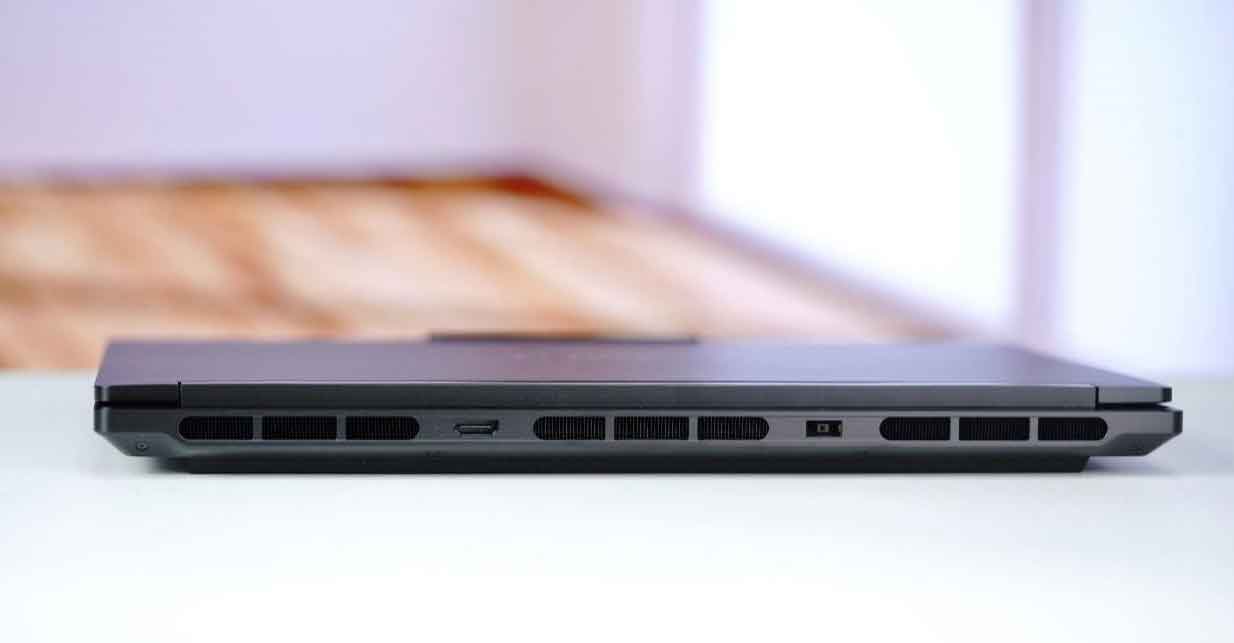
- Left side: 2x Thunderbolt 4 ports, 1x 10Gbps USB-A, 3.5mm combo audio jack, and a Kensington security lock.
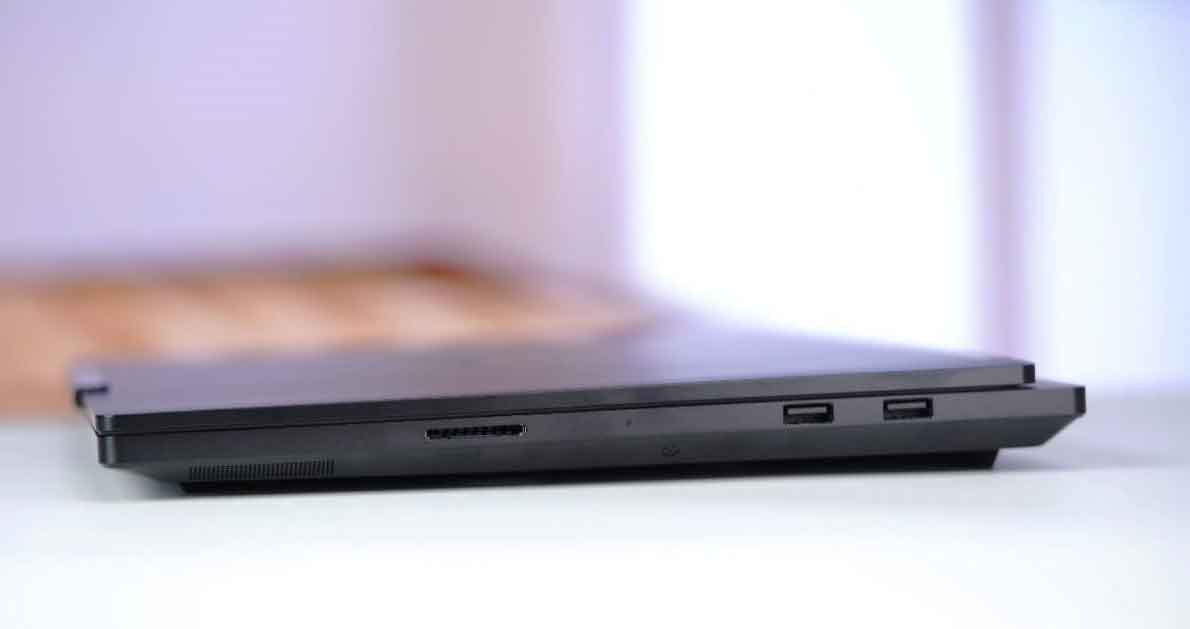
- Right side: Full-sized SD card reader and 2x 5Gbps USB-A ports.
- Rear Edge: HDMI 2.1 display output and dedicated high-wattage DC power jack.


Display Quality and Professional Color Calibration
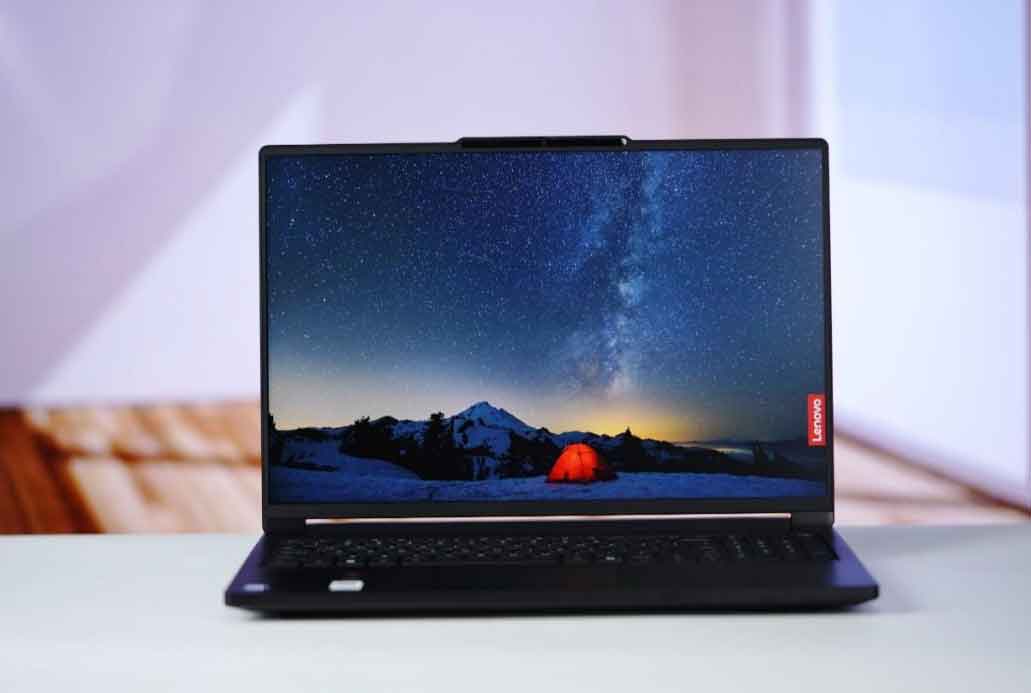
In our Lenovo P16v 2026 review screen tests, the 16-inch 16:10 IPS display proved to be a major highlight. Sporting a sharp 2560×1600 resolution and a smooth 240Hz refresh rate, it delivered laboratory results that exceeded official manufacturer claims:
- Peak Brightness: Measured at 536 nits (exceeding the advertised 500 nits rating).
- Color Gamut Coverage: 99.8% sRGB, 83.0% Adobe RGB, and 98.6% DCI-P3 coverage.
- Factory Calibration: Average Delta-E of 0.90 (maximum 1.85), providing studio-grade color precision for 3D modeling and video post-production out of the box.

CPU Performance: Intel Core Ultra 7 251HX Benchmarks
Under the hood, the Intel Core Ultra 7 251HX utilizes an 18-core, 18-thread layout without hyperthreading. Thanks to substantial IPC advancements, it outperforms older architectures in multi-threaded productivity workflows:
- Compared to 14th Gen Core i9-14900HX: The Core Ultra 7 251HX achieves approximately 10% higher overall productivity output despite having 6 fewer cores.
- Compared to Ultra 7 155H: It delivers a massive 70% performance jump with only a modest 20W increase in package power.
- Compared to Desktop Ultra 9 285K: Reaches 68% of the desktop flagship’s multi-core output while consuming roughly one-third of the total wattage.



GPU Workstation Power: NVIDIA RTX PRO 1000 Blackwell
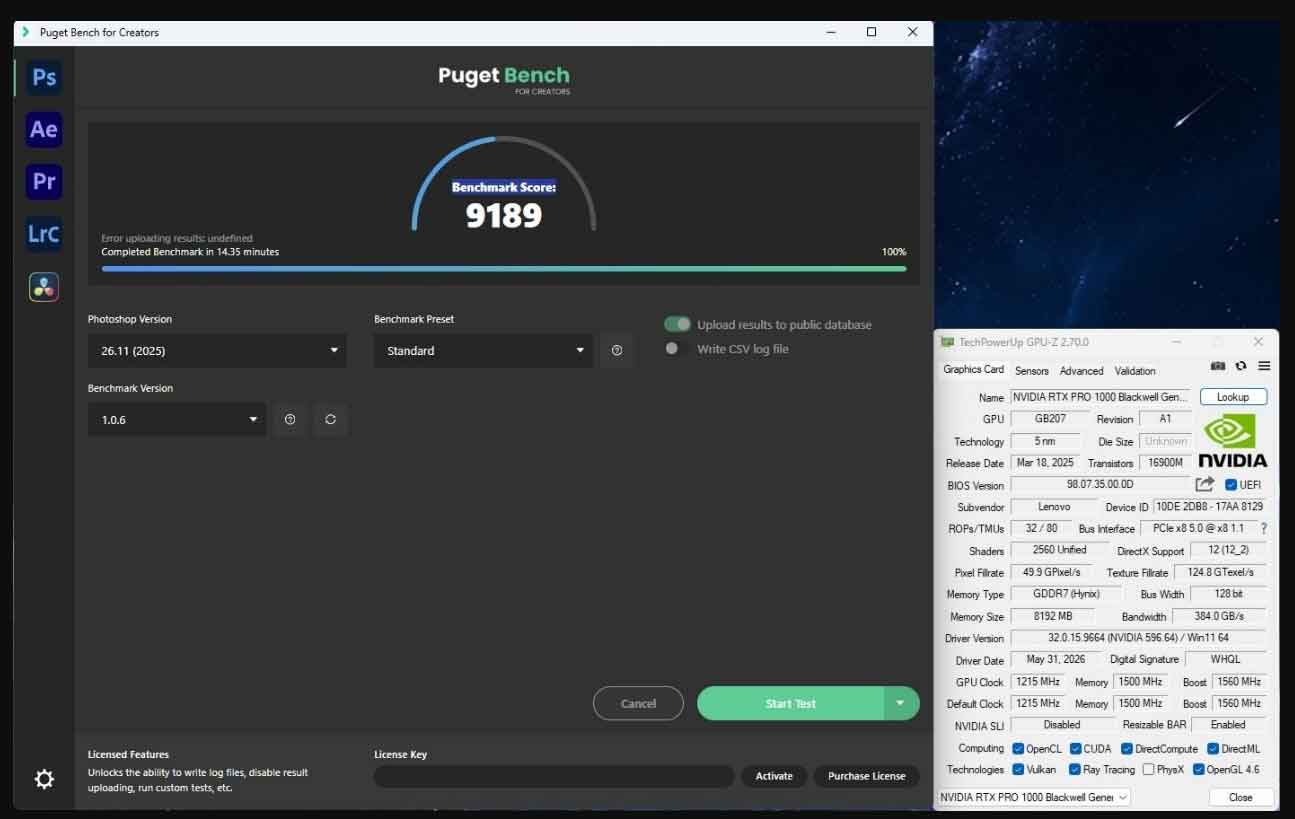
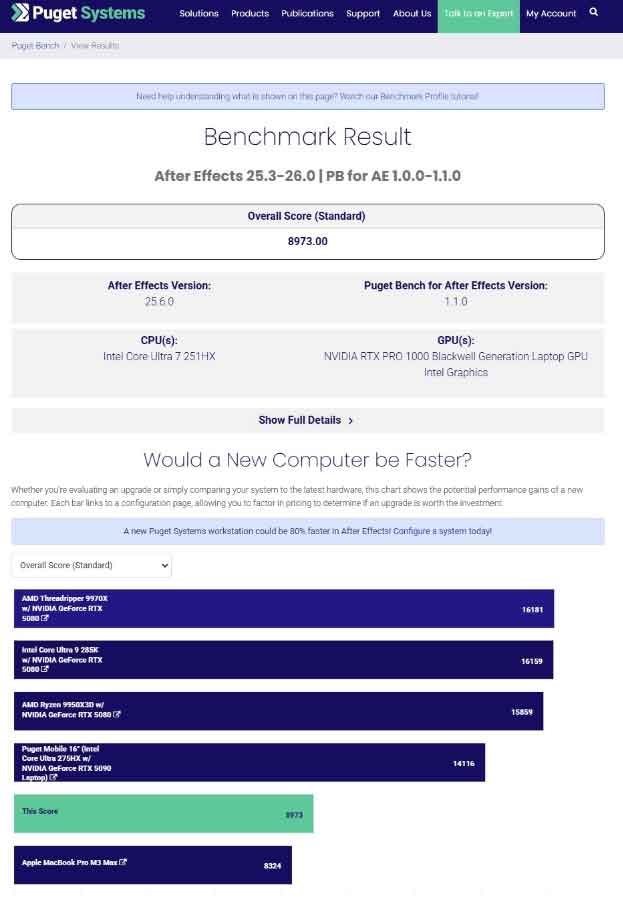
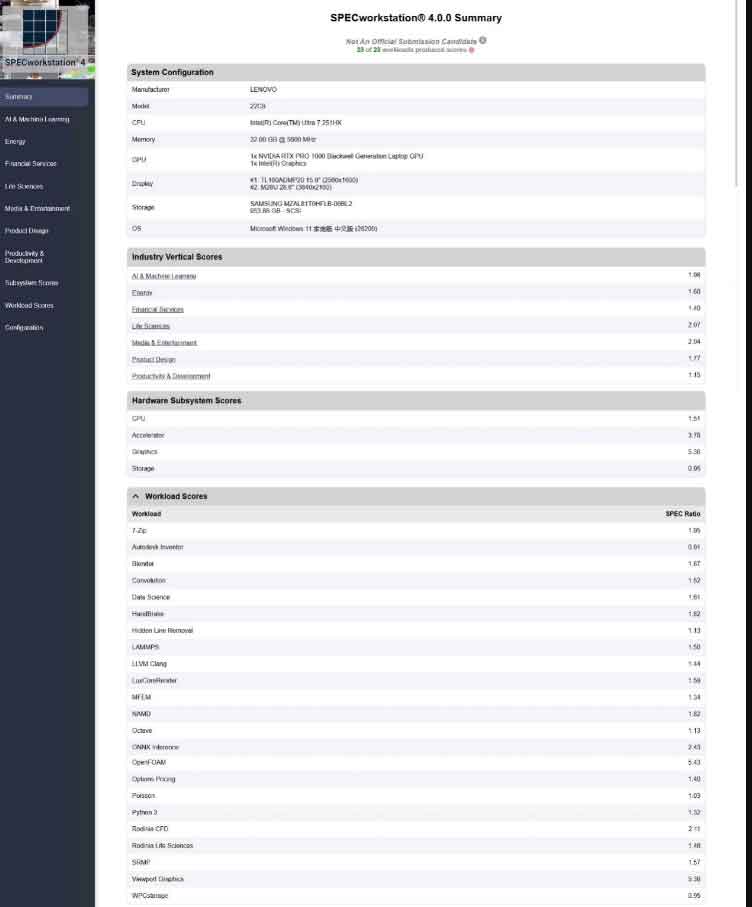
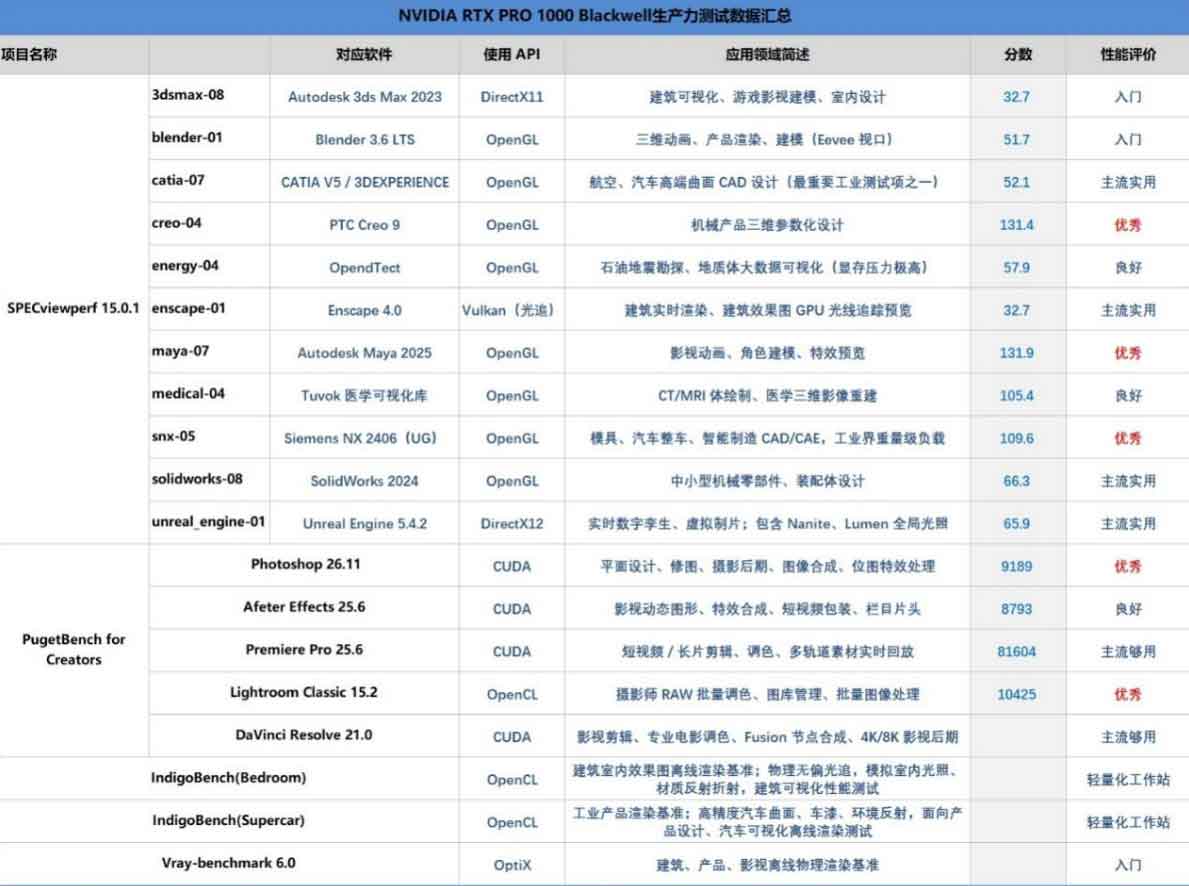
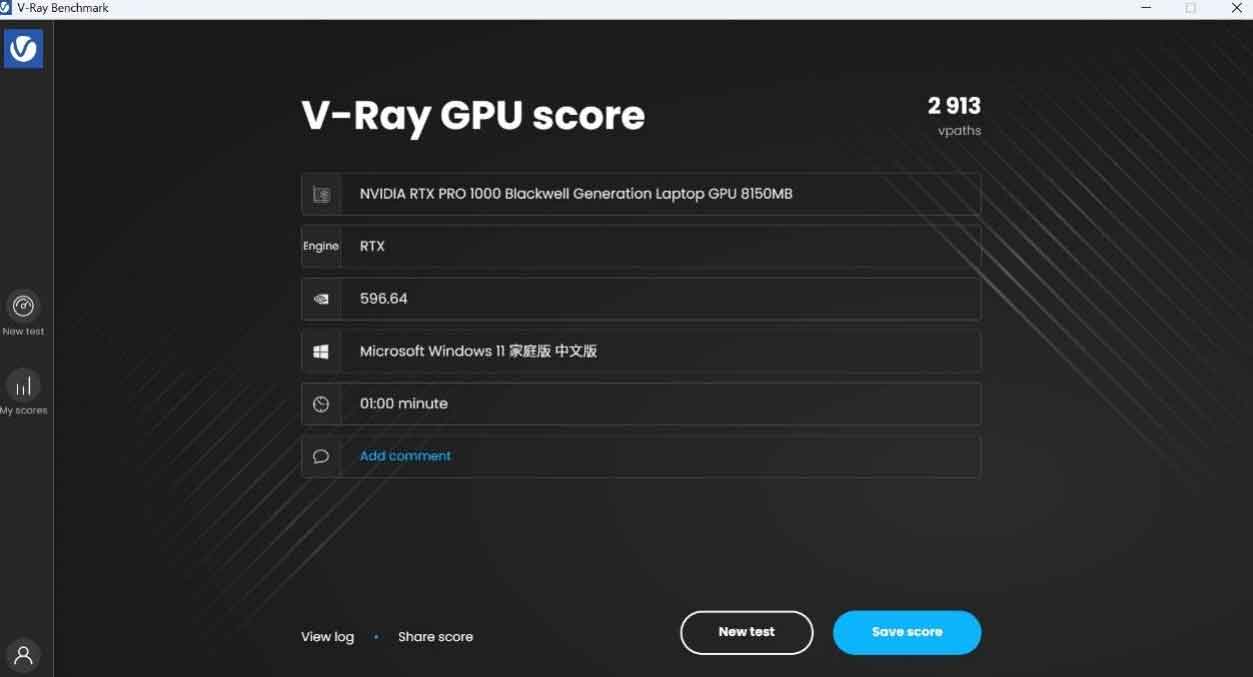
Equipped with an 8GB NVIDIA RTX PRO™ 1000 Blackwell mobile GPU, this machine is specifically certified for professional CAD, CAE, and digital content creation software rather than pure gaming. Benchmark data from the original hands-on review at MyDrivers highlights the tangible advantages of ISV-certified drivers:
- SPECviewperf 15.0.1 Scores: Delivers 40% to 90% higher frame rates in industrial design software—including Siemens NX, PTC Creo, SolidWorks, and CATIA—compared to consumer GeForce gaming cards like the RTX 4060.
- PugetBench Creative Benchmark: Shows fluid performance across Adobe Premiere Pro, After Effects, Photoshop, and DaVinci Resolve timelines.
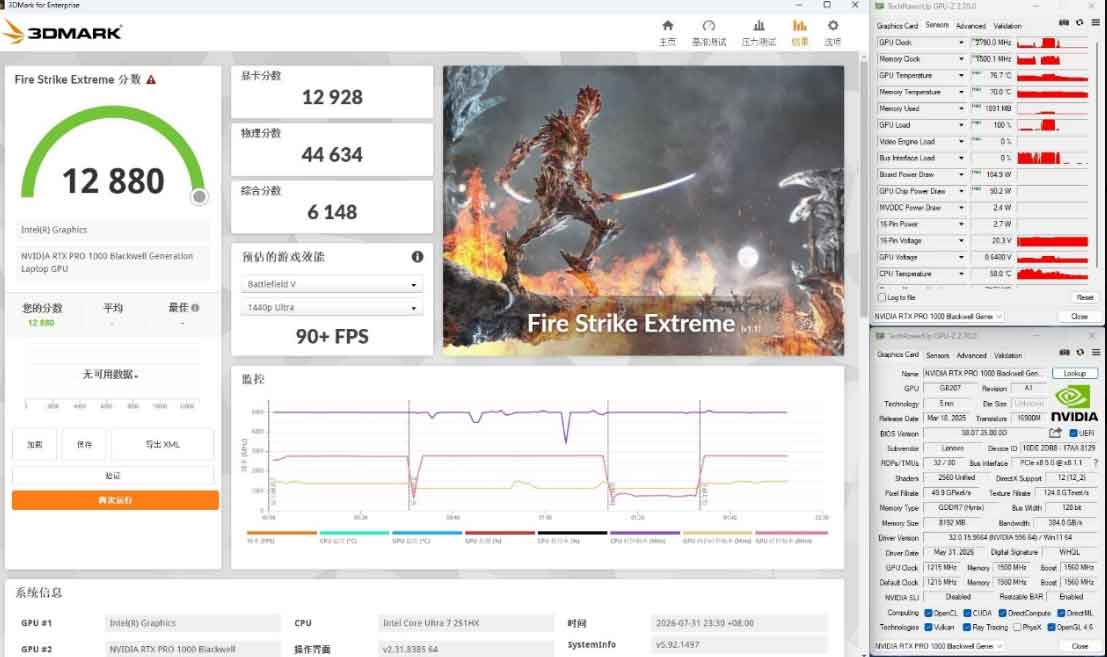
- 3DMark Synthetic Scores: Achieved 12,928 in Fire Strike Extreme and 9,929 in Time Spy, roughly on par with desktop RTX 5050 gaming speeds.


Offline AI and NVFP4: A True Next-Gen AI Laptop
The standout capability evaluated during this Lenovo P16v 2026 review is its performance as a self-contained, air-gapped ai laptop. NVIDIA’s Blackwell architecture features 5th-Gen Tensor Cores with native NVFP4 (4-bit floating point) hardware acceleration. This drastically shrinks model memory requirements while doubling inference generation speed.

In a native WSL2 Ubuntu environment running the vLLM inference framework:
- The Qwen2.5-7B-Instruct-NVFP4 model loaded with a compact 5.19 GiB VRAM footprint on the 8GB card.
- Offline code generation and local agent tasks ran at an impressive 77.3 tokens per second—more than twice as fast as comparable non-NVFP4 GPUs.
- Engineers can run local LLMs, automated CAD drawing checkers, and large-scale data analysis completely disconnected from the internet to ensure zero data leakage.


Thermals, Power Release, and Battery Endurance
To sustain heavy computational loads, Lenovo implemented a dual-fan thermal module rated for over 200W of heat dissipation:
- CPU Single Stress: Peaked at 180W and stabilized at 112W @ 94°C under continuous load.
- GPU Single Stress: Held a steady 115W @ 79°C at 2505 MHz.
- Dual Load Stress (FurMark + Prime95): Sustained a full 170W total system release (CPU locked to 60W @ 88°C and GPU running at 110W @ 87°C).
- Battery Life: In PCMark 10 Modern Office testing at 50% brightness, the 85Wh battery achieved 9 hours and 52 minutes of continuous runtime.


✓
Advantages (Pros)
- ✔
Offline AI Power: Native NVFP4 hardware quantization enables blazing-fast, 100% offline local AI inference. - ✔
ISV Certified: Massive 40%–90% workstation application speedups over consumer GeForce graphics. - ✔
Studio-Grade Display: Factory-calibrated 2.5K 240Hz screen with 98.6% DCI-P3 coverage and Delta-E 0.9. - ✔
Easy Upgrades: Dual SO-DIMM RAM slots and dual M.2 2280 NVMe bays for easy expansion. - ✔
All-Day Battery: Exceptional endurance with nearly 10 hours of real-world battery life.
✕
Disadvantages (Cons)
- ✖
VRAM Ceiling: 8GB VRAM capacity restricts running models larger than 8B parameters without heavier quantization. - ✖
Bulky Adapter: Full 170W performance output requires carrying the bundled 300W proprietary AC brick.


Final Verdict: Who Is the Lenovo P16v (2026) For?
To wrap up this Lenovo P16v 2026 review, Lenovo has engineered a versatile machine that bridges the gap between enterprise security and high-end workstation computing. By combining ISV-certified CAD performance with ultra-fast local NVFP4 AI capabilities and almost 10 hours of battery life, it stands out as one of the best choices for engineers, researchers, and data professionals who demand offline security without sacrificing performance.